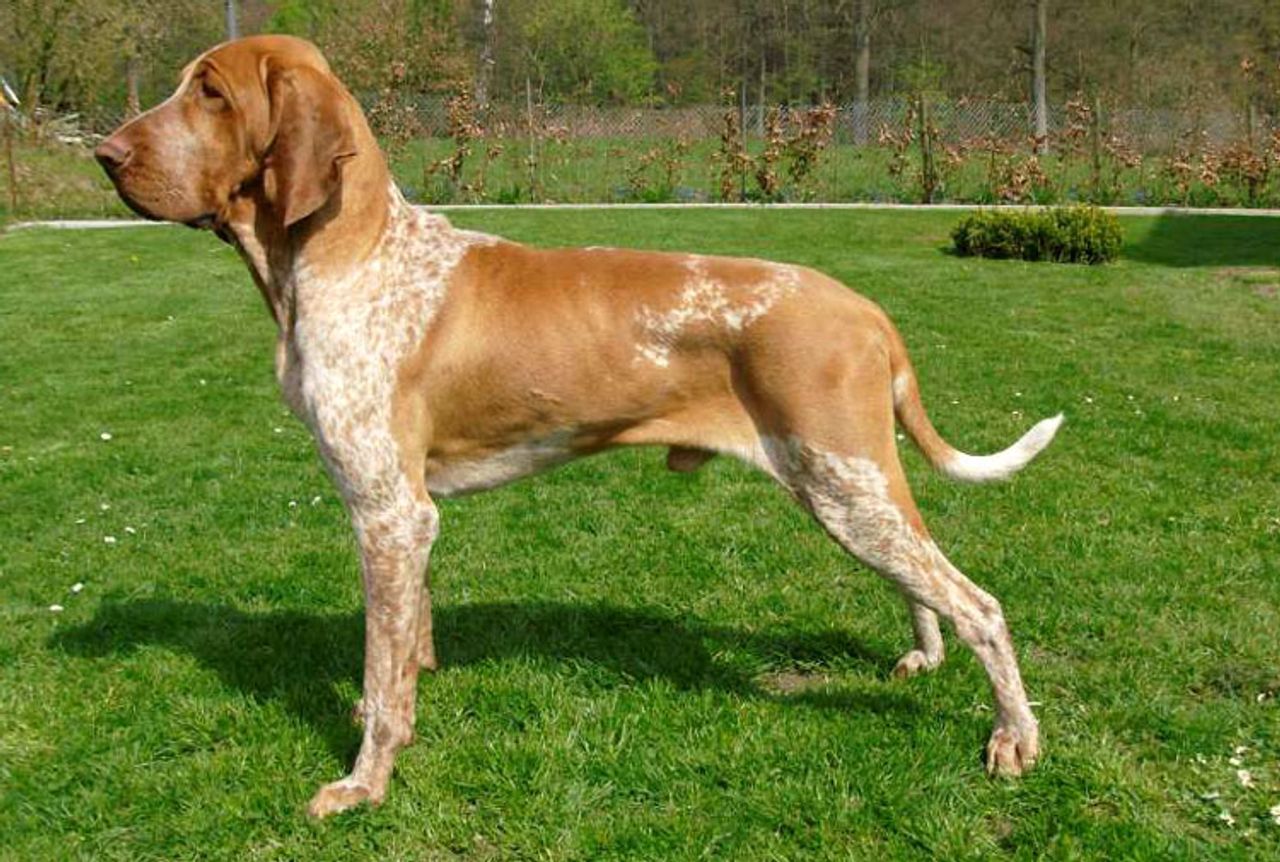
Origin and Description
The Tibetan Mastiff, originating from the rugged terrain of Tibet, is an ancient breed renowned for its massive size and commanding presence. It is characterized by its dense double coat, which varies in length and color, including solid black, black and tan, various shades of red, and bluish-gray, often with white markings around the neck, chest, and legs. This breed was mistakenly named by early Western visitors to Tibet, who applied the term "mastiff" to all large dog breeds in the West. A more appropriate name might be the Tibetan mountain dog or Himalayan mountain dog, reflecting its native range and landrace breed.
Despite its large size, the Tibetan Mastiff is known for its hardiness, a trait essential for survival in the high-altitude Himalayan regions where it was originally bred. This breed retains a single estrus per year, a characteristic also found in wild canids, and typically has puppies born between December and January. The breed's origins can be traced back to the 5th century, with historical records indicating its use as a guardian dog by Tibetan monasteries.
Temperament and Behavior
The Tibetan Mastiff is an independent and protective breed, known for its intelligence and loyalty. It has a calm demeanor and is often alert and aware, especially at night when it becomes more active. This breed is not recommended for apartment living due to its large size and need for space. The breed's protective nature is rooted in its historical role as a guardian against predators such as bears, wolves, and snow leopards.
As a flock guardian dog, the Tibetan Mastiff uses tactics such as barking and scent-marking to ward off predators and avoid direct confrontations. Obedience training is also recommended due to their strong will and stubborn nature. The breed's temperament is a result of its ancient lineage and the challenges it faced in its native environment.
Despite their protective nature, Tibetan Mastiffs can be excellent family dogs, but owners must be prepared to invest time and effort into training and understanding their canine psychology.
Physical Characteristics
The Tibetan Mastiff has a large, powerful body with a height of 66-74 cm for males and 61-69 cm for females. Males weigh between 45-73 kg, while females range from 34-54 kg. This breed has a medium to long double coat that is subject to climate, and it sheds somewhat throughout the year with one major molt in late winter or early spring.
There are two varieties recognized in the West: the Lion Head, with exceptionally long hair from the forehead to the withers, creating a mane or ruff, and the Tiger Head, which is larger with shorter hair. The coat of the Tibetan Mastiff lacks the unpleasant big-dog smell that affects many large breeds, making it a more pleasant companion in the home.
Health Considerations
While the Tibetan Mastiff has fewer genetic health problems than many breeds, there are some concerns to be aware of. Common health issues include hypothyroidism, entropion, ectropion, distichiasis, skin allergies, autoimmune problems, Addison's disease, Cushing's disease, missing teeth, malocclusion, cardiac problems, seizures, epilepsy, progressive retinal atrophy, cataracts, and small ear canals prone to infection. These conditions can significantly impact the quality of life for the affected dogs.
Elbow or hip dysplasia can also be a concern, as with most large breeds. Canine inherited demyelinative neuropathy (CIDN) has appeared in some lines, and hypothyroidism is fairly common.
History and Popularity
The Tibetan Mastiff was originally bred as a flock guardian in the high altitudes of the Himalayas and Tibetan Plateaus. They were used to protect monasteries and monks from animals such as bears, wolves, and snow leopards. The breed was introduced to the United Kingdom in the early 20th century by the Prince of Wales, and by 1906, it was prevalent enough to be shown at the Crystal Palace show in England. This early introduction helped to establish the breed's reputation and popularity in the Western world.
Since the 1980s, the breed has gained popularity worldwide, with various registries and show organizations recognizing it. However, over-breeding and inbreeding have led to concerns about the quality and health of the dogs. By 2015, prices for the best dogs in China had fallen significantly, and lower-quality and crossbreed dogs were being abandoned.
Genetics and Adaptation
The Tibetan Mastiff has a genetic relationship with other large breeds such as the Great Pyrenees, Bernese Mountain Dog, Rottweiler, Saint Bernard, and Leonberger, suggesting that these breeds are likely partially descended from the Tibetan Mastiff. This breed's ability to adapt to high-altitude conditions is due to its higher hemoglobin levels compared to low-altitude dogs, a result of prehistoric interbreeding with an unknown wolf-like canid. This genomic analysis indicates that a ghost population of an unknown wolf-like canid, deeply-diverged from modern Holarctic wolves and dogs, has contributed to the EPAS1 allele found in both Himalayan wolves and dogs, allowing them to live in high altitudes.
Buying a Tibetan Mastiff
Be prepared for the significant financial investment required for a purebred Tibetan Mastiff, as well as the time and effort needed for proper training and care. The cost of a purebred Tibetan Mastiff can range from $1,000 to $5,000, depending on the breeder, the dog's lineage, and its show potential.
Ensure that your home and lifestyle can accommodate the space and activity level of this breed. Consider the breed's independent nature and the importance of socialization and training. Be sure to do your research and be ready for the commitment. The Tibetan Mastiff is not a breed for everyone; it requires a dedicated owner who is willing to invest in its well-being and training.
Frequently Asked Questions
What is the lifespan of the Tibetan Mastiff?
The average lifespan of the Tibetan Mastiff is about 10-12 years. Good nutrition and regular veterinary care support a healthy life.
What is the temperament of the Tibetan Mastiff?
The Tibetan Mastiff is known for: Independent, Protective, Intelligent, Loyal, Calm. Its energy level is low.
What size and weight is the Tibetan Mastiff?
It is a large dog, typically around Male: 45-73; Female: 34-54 kg as an adult.
Is the Tibetan Mastiff easy to care for?
Reliable grooming and shedding ratings are not available. Routine brushing, ear and dental care, and nail trims are still recommended.
Is the Tibetan Mastiff good with kids and other pets?
Reliable child- and pet-friendliness ratings are not available. Supervised, gradual introductions are recommended.
How much exercise does the Tibetan Mastiff need?
With a low energy level, it needs walks, play or training matched to its stamina.
Tibetan Mastiff
Trait Scores
N/A