Origin and History
The Tarsus Çatalburun, also known as the Turkish Pointer, is a native breed of Turkey, specifically associated with the town of Tarsus in the Mersin Province. This region, located on the Mediterranean coast, has been the breeding ground for this rare hound for hundreds of years. The breed's history dates back to the 8th century, where it is believed that the Tarsus Çatalburun and the Pachón Navarro share a common origin. Both breeds were developed under the rule of the Umayyad and Abbasid Caliphates in southern Turkey and Spain.
The distinctive split nose, known as "çatalburuns," which means forked nose in Turkish, is a rare genetic trait that sets the Tarsus Çatalburun apart. This trait is shared with the Spanish Pachón Navarro and the Bolivian Andean Tiger Hound. The breed is not recognized by any kennel club, making it a unique and rare sight.
Historically, the Tarsus Çatalburun has been bred for hunting upland game, showcasing their exceptional scenting abilities and keen pointing skills. Their unique nose structure is thought to enhance their scent detection capabilities, allowing them to track scents both on the ground and in the air. The breed's hunting prowess was so esteemed that it was often used by Ottoman sultans for hunting parties.
Physical Characteristics
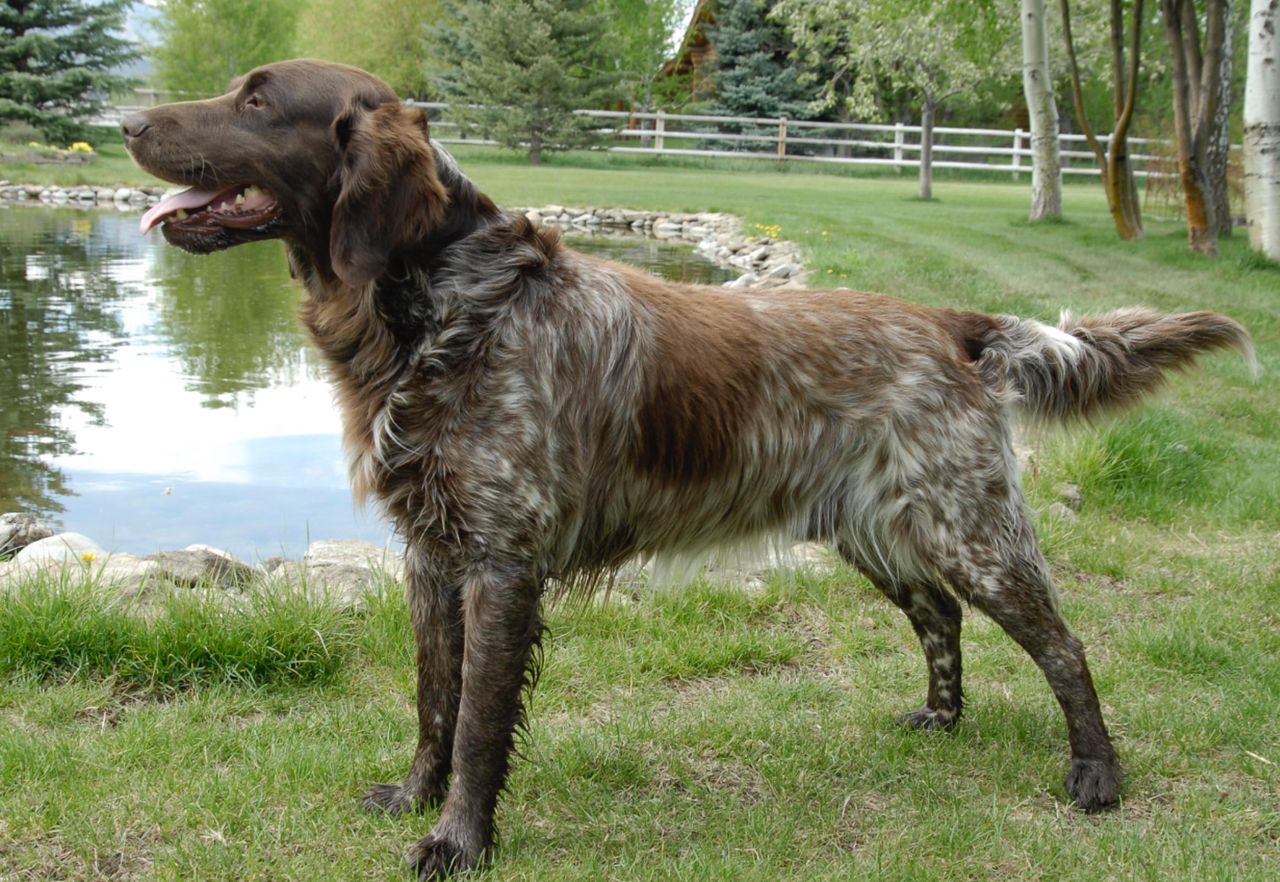
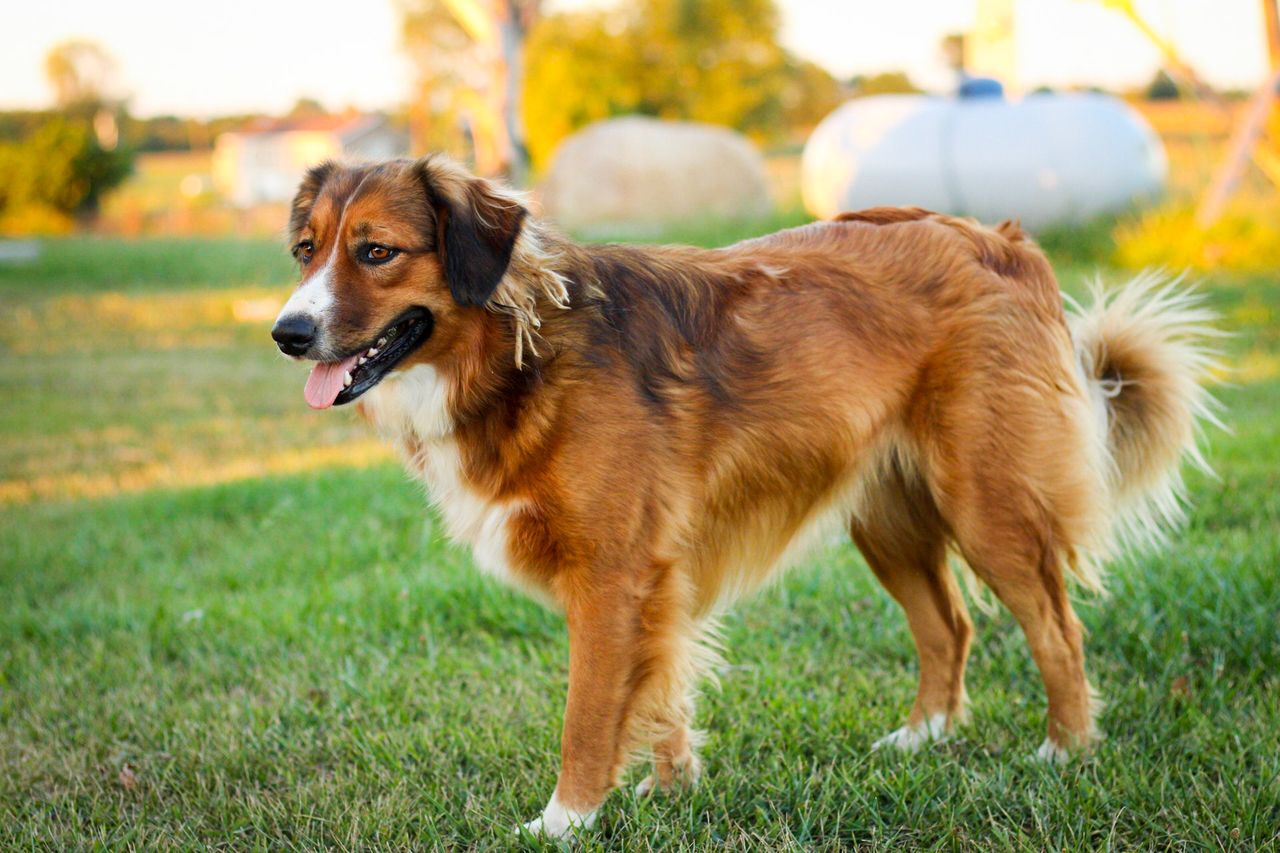
The Tarsus Çatalburun is a medium to large-sized dog, with males typically standing at 48-61 cm and weighing 20-25 kg, while females are slightly smaller at 46-61 cm and 16-24 kg. Their coat is short and comes in various colors, with brown being the most common, followed by brown and white, liver and white, black and white, and black. The coat's texture is smooth and glossy, reflecting the breed's hunting heritage.
These dogs have a deep chest and an athletic build, with drooping ears that frame their face. Their tail is long and straight, adding to their distinctive appearance. The split nose is a notable feature, with the left and right nostrils separated by a deep indentation or cleft, creating the illusion of having two noses with one nare each. This unique structure is believed to enhance their ability to detect scents from a greater distance.
The breed's acute sense of smell is further enhanced by this unique nose structure, making them highly effective in scent hunting and tracking. Their pointed ears and long, straight tail are also indicative of their hunting heritage.
Temperament and Behavior
The Tarsus Çatalburun is known for its loyal, intelligent, energetic, and alert temperament. They are work-focused dogs, excelling in hunting and detection roles. At home, they are calm and quiet, but in the field, they come alive with their energetic and focused nature. This dual personality makes them well-suited for both family life and professional work.
These dogs are highly trainable and respond well to positive reinforcement. Their work-focused nature also makes them suitable for roles such as detection dogs for narcotics, explosives, and search and rescue. The breed's intelligence and trainability have been recognized by law enforcement agencies in Turkey, where they are often used for these purposes.
Health Considerations
Like all breeds, the Tarsus Çatalburun can suffer from certain health issues. Hip dysplasia is a concern, which can lead to mobility problems. Allergies and hypothyroidism are also potential health conditions that owners should be aware of. These conditions can affect the dog's quality of life and require ongoing management.
Owners should be vigilant for signs of discomfort or changes in behavior, which may indicate health issues such as arthritis, skin allergies, or changes in energy levels. Early detection and intervention can help manage these conditions and improve the quality of life for the dog.
Living with a Tarsus Çatalburun
Living with a Tarsus Çatalburun requires an understanding of their energetic and work-focused nature. Their high energy levels mean they require daily physical activity, such as walks, runs, or play sessions. Without adequate exercise, these dogs can become restless and destructive.
Early and consistent training, along with exposure to various people, animals, and environments, can help ensure they grow into well-rounded and well-behaved dogs. Socialization is particularly important for this breed, as it helps to channel their natural curiosity and energy into positive behaviors.
Additionally, the Tarsus Çatalburun requires a home with a secure yard or access to open spaces for exercise.
Buying a Tarsus Çatalburun
Due to the breed's rarity, finding a breeder may require some effort.
Here is a checklist to consider when buying a Tarsus Çatalburun:
- Ask for health clearances, including hip and elbow dysplasia, and thyroid function tests.
- Request to see the puppy's parents and observe their temperament and health.
- Ask about the breeder's experience and the background of the puppy's lineage.
- Ensure the breeder is a member of a local or national breed club, which can provide additional information and support.
- Be prepared for the cost of owning a Tarsus Çatalburun, which includes not only the initial purchase price but also ongoing expenses such as food, veterinary care, training, and grooming.
It is also advisable to research the breed thoroughly before purchasing, to ensure that you are prepared for the responsibilities and challenges of owning a Tarsus Çatalburun.
Frequently Asked Questions
What is the lifespan of the Tarsus Çatalburun?
The average lifespan of the Tarsus Çatalburun is about 10-14 years. Good nutrition and regular veterinary care support a healthy life.
What is the temperament of the Tarsus Çatalburun?
The Tarsus Çatalburun is known for: Loyal, Intelligent, Energetic, Alert, Work-focused. Its energy level is high.
What size and weight is the Tarsus Çatalburun?
It is a large dog, typically around Male: 20-25; Female: 16-24 kg as an adult.
Is the Tarsus Çatalburun easy to care for?
Reliable grooming and shedding ratings are not available. Routine brushing, ear and dental care, and nail trims are still recommended.
Is the Tarsus Çatalburun good with kids and other pets?
Reliable child- and pet-friendliness ratings are not available. Supervised, gradual introductions are recommended.
How much exercise does the Tarsus Çatalburun need?
With a high energy level, it needs walks, play or training matched to its stamina.
Tarsus Çatalburun
Trait Scores
N/A