Origin and History
The Tang Dog, indigenous to southern China, is an ancient landrace known to have been in existence for thousands of years. This breed finds its roots in the region of Cantonese, and the name "Tang Gau" is attributed to a Hong Kong village dog. Named for the prosperous Tang Dynasty, which flourished from 618 to 907 AD, this period of China's history has a significant cultural tie to the breed's naming.
Historically, the Tang Dog has been used as loyal gatekeepers in southern China, showcasing their protective nature. The breed has remained relatively unchanged over time, retaining its primitive appearance and characteristics. In the 2000s, the Tang Dog Association was established in Hong Kong to raise awareness and support for this unique breed, which has a population of approximately 5,000 dogs.
In a remarkable achievement, a Tang Dog won the World Dog Show championship at a Chinese Kennel Union event in 2017, further cementing the breed's status and recognition within the canine community.
Physical Description
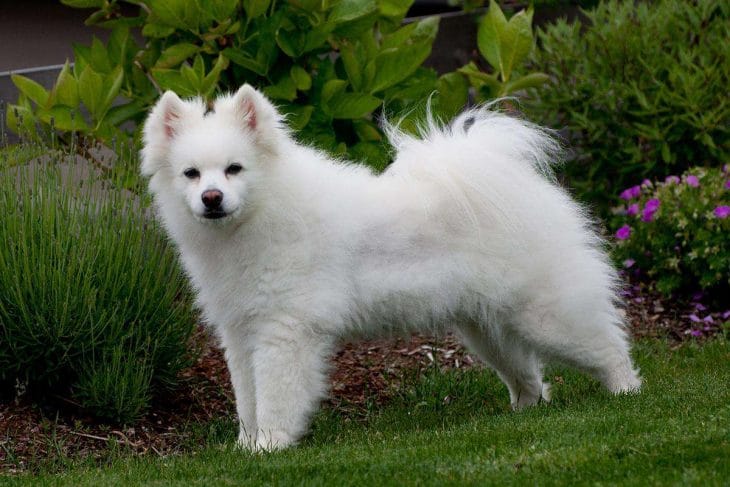
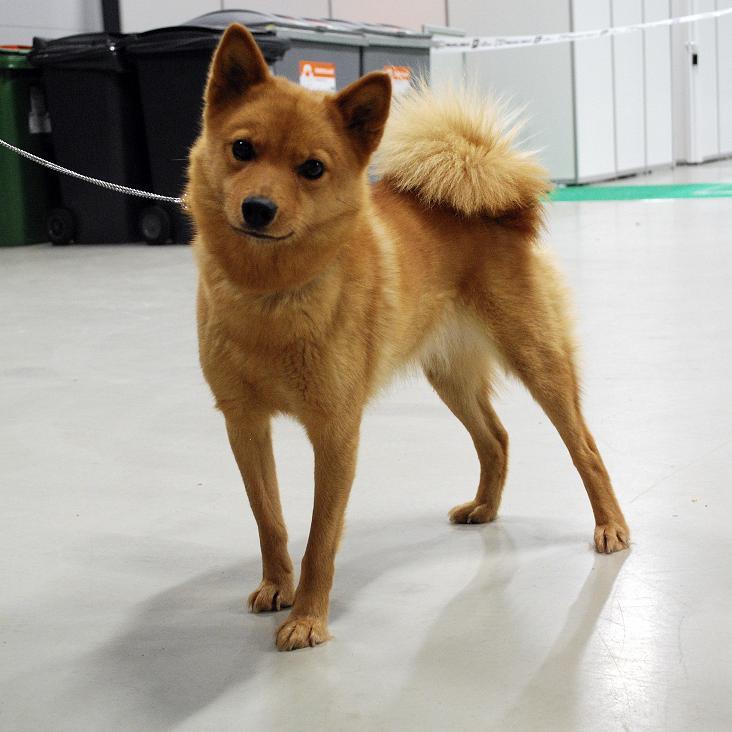
The Tang Dog is a medium-sized dog, characterized by a compact body and short stature. Their build is athletic, complemented by a thick double coat that adds to their robust appearance. The coat, which is medium in length, can be solid colors such as cream, red, or black, with a wide variety of color combinations and patterns.
Notable features of the Tang Dog include a bluish-black tongue, a large, broad nose, and long, slightly sloping eyes. Their tail is curled, a trait that is consistent with their ancient heritage and contributes to their distinctive look. The breed's coat texture ranges from soft to wiry, with a dense undercoat that provides insulation.
The ratio of shoulder height to body length in Tang Dogs is 10:10, which provides a balanced and proportional structure to their body. This breed is known for its sturdy and robust frame, which is typical of landrace dogs from southern China. The breed's weight distribution is evenly balanced, contributing to their agility and endurance.
Temperament and Behavior
With a temperament that is both loyal and intelligent, the Tang Dog is highly valued as a companion and watchdog. This breed's independent nature means that they require owners who are equally as strong-willed and capable of providing firm but gentle leadership. The Tang Dog's protective instincts are well-developed, making them excellent guardians of their territory and family.
While the Tang Dog may exhibit a protective demeanor, they are not typically over-aggressive. Their alert nature makes them excellent watch dogs, capable of sensing the presence of strangers and potential threats. However, their relatively low friendliness level suggests they may be less outgoing with new people and pets, which can be a challenge for first-time dog owners.
The breed's trainability is rated highly, making it responsive to training and able to adapt to various commands. This responsiveness is due in part to their intelligence and desire to please their owners, which makes them a pleasure to train and work with.
Size and Proportions
Adult male Tang Dogs typically weigh between 15-25 kg, with a height ranging from 45-55 cm at the withers. On the other hand, female Tang Dogs weigh slightly less, usually between 12-20 kg, with a height ranging from 40-50 cm at the withers. These size and weight specifications provide a good indication of the breed's medium build, which is well-suited for a variety of activities and environments.
The compact body structure and medium weight contribute to the Tang Dog's agility and energy level.
Breeder Purpose and Non-Sporting Status
The Tang Dog is classified as a Non-Sporting breed, reflecting its original purpose as a companion and watchdog rather than for specific working roles. This classification also acknowledges the breed's suitability as a pet in a variety of households, where their protective nature can be appreciated. The Non-Sporting classification is shared with breeds such as the Bulldog and the Poodle.
Being a non-sporting breed, the Tang Dog does not participate in competitive dog sports. However, this does not diminish the breed's utility or value; instead, it emphasizes the breed's focus on companionship and their inherent qualities as pets. The breed's registry with the American Kennel Club (AKC) was established in 2018, recognizing its distinct characteristics and history.
Lifestyle and Care Requirements
The Tang Dog is not considered hypoallergenic, as they do not have a significant reduction in dander or other allergens.
The breed's adaptability rating is categorized as "None," indicating that they may have specific needs that should be considered. This includes a stable and secure home environment, as well as consistent training and socialization to help manage their protective nature and independent streak.
Health and Genetics
The Tang Dog has been in existence for centuries, and like all breeds, there may be certain health issues that are known or suspected. Specific genetic conditions that may affect the Tang Dog include hip dysplasia, which can lead to mobility issues, and glaucoma, a condition that affects the eyes and can lead to blindness if not treated promptly.
Regular health checks can help detect and manage any issues early on, contributing to the overall well-being of the breed.
Ownership Considerations
When considering adding a Tang Dog to your household, there are several practical aspects to keep in mind. Given their protective nature and potentially lower friendliness level, the Tang Dog may be a better fit for households with experienced dog owners who can provide consistent training and leadership.
Potential owners should be prepared for the time commitment this requires. Here are some key considerations:
- Check with breeders or rescue organizations to ensure you are obtaining a healthy Tang Dog with a clear genetic history. Reputable breeders will provide health clearances and information on the dog's lineage.
- Assess your lifestyle and ensure that you can meet the exercise and grooming requirements of a Tang Dog. This breed requires at least an hour of exercise daily to stay healthy and happy.
- Consider the long-term commitment of owning a dog that has a lifespan of 12-16 years. Responsible ownership involves providing for the dog's needs throughout their lifetime.
Frequently Asked Questions
What is the lifespan of the Tang Dog?
The average lifespan of the Tang Dog is about 12-16 years. Good nutrition and regular veterinary care support a healthy life.
What is the temperament of the Tang Dog?
The Tang Dog is known for: Loyal, Intelligent, Independent, Protective, Alert. Its energy level is moderate.
What size and weight is the Tang Dog?
It is a large dog, typically around Male: 15-25; Female: 12-20 kg as an adult.
Is the Tang Dog easy to care for?
Reliable grooming and shedding ratings are not available. Routine brushing, ear and dental care, and nail trims are still recommended.
Is the Tang Dog good with kids and other pets?
Reliable child- and pet-friendliness ratings are not available. Supervised, gradual introductions are recommended.
How much exercise does the Tang Dog need?
With a moderate energy level, it needs walks, play or training matched to its stamina.
Tang Dog
Trait Scores
N/A