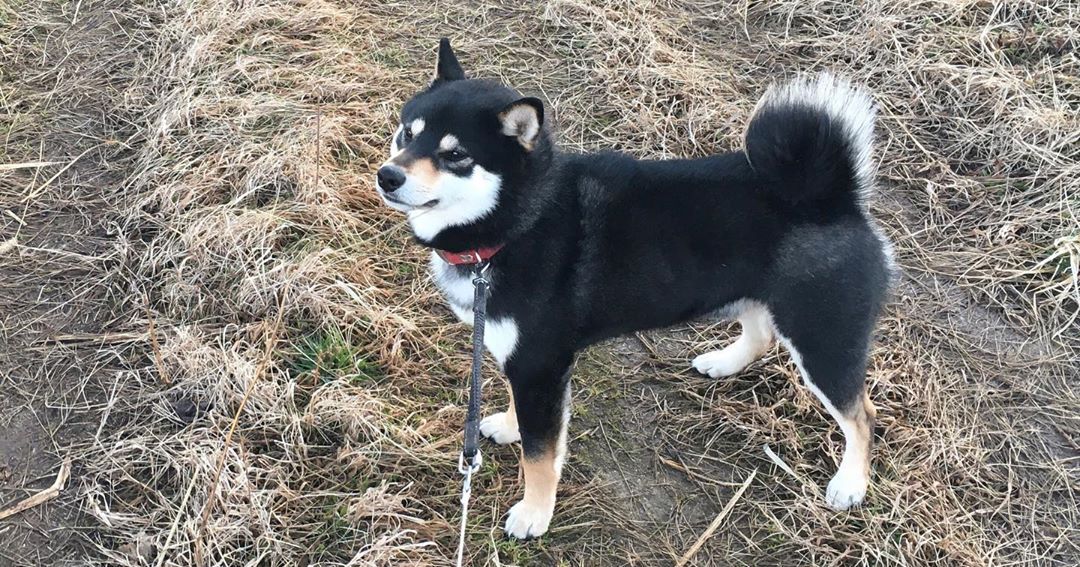
Origin and Development
The Tamaskan Dog, a breed originating from Finland, was selectively bred to resemble a wolf while maintaining a friendly, trainable domestic dog temperament. This unique breed is a mix of Nordic breeds, including the Alaskan Husky, Alaskan Malamute, Canadian Eskimo dog, German Shepherd, Labrador Husky, and Siberian Husky.
The concept of creating a wolf-like dog began in the 1980s with the Northern Inuit dog breeding project in the United Kingdom. This project aimed to produce a dog that looked like a wolf but was suitable for companionship and training. The Northern Inuit dog breeding initiative eventually led to several related breeds, including the Tamaskan, British timber dog, and utonagan.
Founders Lynn Hardey and Jennie Peacock, who were committee members of the British and International Utonagan Society, felt the dogs were becoming too genetically similar. They sought genetic diversity abroad and found working husky crosses in Finland, which they purchased to add to their lines. This led to the establishment of the Tamaskan Dog Register in 2006, ensuring a registry for the breed's lineage and health records.
Breed Characteristics
Tamaskan dogs are large, athletic animals, slightly taller than German Shepherds. They are larger than typical sled dogs but smaller than the Alaskan Malamute. Males typically weigh between 30-45 kg and stand at 63-71 cm tall at the shoulder, while females weigh between 23-39 kg and stand at 61-69 cm.
These dogs have a striking wolf-like appearance with a straight bushy tail and a thick double coat. The coat comes in three main colors: wolf gray, red gray, and black gray. Each guard hair is agouti banded along its length, and the almond-shaped eyes range from yellow through amber and brown, with lighter-colored eyes being rare. Blue eyes and mismatched eyes are not acceptable, adhering to the breed's specific aesthetic standards.
The breed is known for its intelligent and loyal nature. They are friendly, athletic, and alert, making them ideal for working roles. The combination of intelligence and loyalty is a hallmark of the Tamaskan, making them versatile companions for various activities.
Temperament and Behavior
Tamaskan dogs are highly intelligent and respond well to training. Their friendly and loyal temperament makes them great companions for families. This temperament is a result of selective breeding to maintain a domesticated yet wolf-like demeanor.
These dogs are alert and have a natural sense of protection, making them excellent guard dogs. However, their friendly nature means they are not typically aggressive or protective towards strangers, unless they perceive a threat to their family or territory. This balance of protective instincts and a friendly disposition is a key aspect of the Tamaskan's temperament.
Due to their high energy levels, Tamaskans require a consistent routine and daily exercise. Without sufficient physical and mental stimulation, they may become restless or exhibit undesirable behaviors such as excessive barking or destructiveness.
Health and Genetic Considerations
Genetic testing has identified a color variant linked to partial recessive red traits in at least 50% of Northern Inuit and Tamaskan dogs. This variant was discovered in DNA samples from prehistoric dogs dating back 10,000 years, highlighting its ancient roots in domestic canines.
Cryptorchidism, undescended testes, affects approximately 10% of males, a condition that can impact reproductive health and requires veterinary attention. Epilepsy has been diagnosed in five dogs, representing about 1% of the registered Tamaskan population worldwide, making it a rare but significant health concern. Degenerative myelopathy is another condition found in some dogs, a progressive disease affecting the spinal cord.
Breed Clubs and Recognition
Breed clubs for the Tamaskan Dog are established in various countries, including the United States (Tamaskan Dog Register), Canada (National Tamaskan Club of Canada), France (Club Français du Tamaskan), Germany (Tamaskan Club Germany), the Netherlands (Nederlandse Tamaskan Club), Croatia (Hrvatski Tamaskan Savez), and the United Kingdom (Tamaskan Dog Society of Great Britain). These clubs serve as vital resources for breeders and owners, providing a network for support and advocacy.
These clubs play a vital role in the breed's development, maintaining standards, and promoting the health and welfare of Tamaskan dogs. They also offer resources and support for owners and breeders, including educational materials, health information, and opportunities for socialization and training.
Famous Tamaskan Dogs
A Tamaskan named Genghis Khan featured as a wolf in a music video for the band Lucretia Choir in 2007. In 2010, a TDR registered male Tamaskan named Wave became the official Live Mascot of North Carolina State University's football team, the NC State Wolfpack. In 2012, four Tamaskans were featured on the Croatian HRT 1 television program Kućni ljubimci. A Tamaskan named Luchta (White Elk Luchta) appeared on Broadway in 2016, playing the role of "The Wolf" in Arthur Miller's The Crucible. In 2017, a four-year-old therapy dog named Kaoru, accompanied by her owner and other dogs, provided support to many people during a hiking trail in Whistler, British Columbia, Canada.
These instances showcase the versatility and presence of Tamaskan dogs in various aspects of human life, from entertainment to education and therapy, highlighting the breed's adaptability and social value.
Popular Culture and Media
Northern Inuit dogs, including Tamaskans, have been used in popular culture to portray wolves. For example, in the television series Game of Thrones, they were used to depict dire wolves. A Tamaskan named Luchta played a wolf in a 2016 Broadway production of The Crucible. A Tamaskan dog named Tuffy has been the live mascot for the NC State Wolfpack since 2010, appearing on the sidelines of football games and other sports events. The Starz series Outlander uses northern Inuit dogs to portray Young Ian's "wolfdog," Rollo, with the first dog, Dui, appearing in seasons 4-6 and his replacement, Yogi, in season 7.
These instances highlight the breed's adaptability and recognition in various forms of media and entertainment, showcasing the Tamaskan's unique presence and versatility.
Buyer's Checklist and Considerations
- Research the breed thoroughly to understand their temperament, energy levels, and care requirements. This includes understanding the breed's history, characteristics, and potential health issues.
- Be prepared for the potential health issues associated with the breed, including cryptorchidism, epilepsy, degenerative myelopathy, and hip dysplasia.
- Join a breed club or local community to connect with other owners and gain valuable resources and support. This network can provide insights into the breed and help navigate the challenges of ownership.
- Ensure you have the time and space to accommodate the breed's high energy levels and exercise needs.
- Consider the long-term commitment involved in owning a Tamaskan. With an average lifespan of 12-15 years, responsible ownership requires a long-term plan for the dog's care and well-being.
Buying a Tamaskan Dog is a significant commitment that requires thorough preparation, dedication, and a deep understanding of the breed's unique needs and characteristics.
Frequently Asked Questions
What is the temperament of the Tamaskan Dog?
The Tamaskan Dog is known for: Intelligent, Loyal, Friendly, Athletic, Alert, Energetic. Its energy level is high.
What size and weight is the Tamaskan Dog?
It is a large dog, typically around Male: 30-45; Female: 23-39 kg as an adult.
Is the Tamaskan Dog easy to care for?
Reliable grooming and shedding ratings are not available. Routine brushing, ear and dental care, and nail trims are still recommended.
Is the Tamaskan Dog good with kids and other pets?
Reliable child- and pet-friendliness ratings are not available. Supervised, gradual introductions are recommended.
How much exercise does the Tamaskan Dog need?
With a high energy level, it needs walks, play or training matched to its stamina.
Tamaskan Dog
Trait Scores
N/A