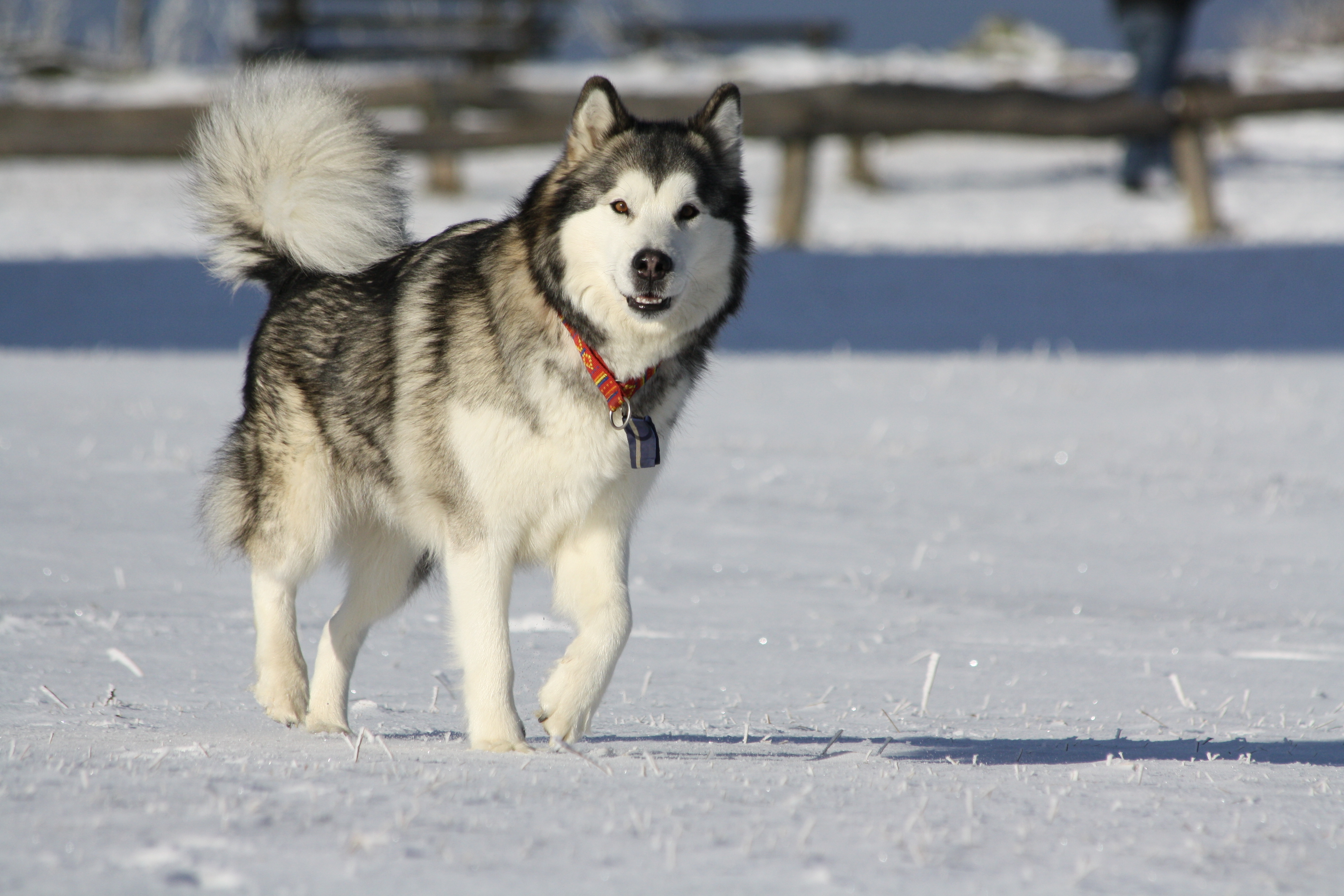
Origin and Historical Context
The Taigan, a breed of sighthound, originates from the high-altitude Tian Shan mountains of Kyrgyzstan, bordering China. This ancient breed has been adapted to the challenging mountainous terrain, showcasing its exceptional stamina and versatility in hunting. The breed's history dates back to the 3rd century BC, where it was used by the Kyrgyz people for hunting purposes.
Renowned for its hunting prowess, the Taigan is closely related to the Tazy and the Saluki. As a sighthound, it primarily relies on its sight and speed to capture prey, a trait that has been honed through centuries of hunting alongside trained bird of prey, particularly the golden eagle.
Since the breakup of the Soviet Union in 1991, the Taigan's population has experienced a decline. However, efforts by the Russian Kennel Club to recognize and preserve the breed, along with the Tazy, have been instrumental in supporting their continued existence. The Russian Kennel Club was established in 1992 and has since played a significant role in breed conservation.
Breed Characteristics
The Taigan is characterized by its medium-length, slightly curly coat, which comes in a variety of colors such as white, fawn, grey, and black. This elegant sighthound stands between 60-66 cm (23.6-26 inches) for females and 65-71 cm (25.6-28 inches) for males, with males weighing 27-35 kg (59.4-77.2 pounds) and females 25-30 kg (55.1-66.1 pounds). The breed's coat is dense and fine, providing insulation against the harsh mountain climate.
Its long, silky coat and feathered ears are adaptations for hunting in mountainous terrain, where the Taigan is used to hunt a wide range of game, including marmot, hare, fox, badger, wildcat, ibex, roe deer, and even wolf. The breed's agility and speed make it particularly effective in capturing these animals.
The breed's temperament is marked by independence, calmness, intelligence, loyalty, courage, and a reserved nature, making it a unique and esteemed companion. The Taigan's loyalty is particularly notable, as it forms strong bonds with its owners and hunting companions.
Temperament and Behavior
With a temperament that is both independent and loyal, the Taigan is known for its calm and courageous demeanor. Its intelligence and trainability are high, which is advantageous for owners looking for a dog that can be trained effectively. The breed's trainability is a result of its natural hunting instincts and its ability to learn from its environment.
However, the Taigan's reserved nature means it may not be overly friendly or affectionate, particularly with strangers. This breed requires a confident and experienced handler who can provide consistent leadership and structure. The breed's reserved nature is a reflection of its original role as a hunting dog, where it needed to focus on the task at hand rather than socializing.
Given its hunting instincts, the Taigan may exhibit some of the traits associated with sighthounds, such as a strong prey drive and the need for a secure environment to prevent escape. This is particularly important for owners living in areas with wildlife, as the Taigan may chase after small animals if not properly trained and supervised.
Lifestyle and Care
The Taigan is a large breed with a low energy level, making it suitable for owners with a laid-back lifestyle. This breed does not require excessive amounts of exercise and can adapt well to living in apartments or houses with access to a yard.
Despite its large size, the Taigan does not require excessive amounts of exercise and can adapt well to living in apartments or houses with access to a yard. Daily walks and play sessions are sufficient to keep the Taigan physically active and mentally stimulated.
Health Considerations
The Taigan is generally a healthy breed, but like all dogs, it can be prone to certain health conditions. One common health concern is hip dysplasia, a condition where the hip joint does not fit together perfectly, which can lead to arthritis. Other potential health issues include elbow dysplasia, which affects the elbow joint, and eye disorders such as progressive retinal atrophy (PRA) and cataracts.
Responsible breeders will conduct health screenings on their dogs to minimize the risk of these conditions. Owners should be aware of the signs of these health issues and seek veterinary care promptly if any symptoms arise.
Buying a Taigan
A good breeder will be able to provide health clearances and information about the dog's lineage.
Before bringing a Taigan into your home, consider whether your lifestyle and living situation are suitable for this breed. The Taigan requires a confident handler and a secure environment to thrive.
Frequently Asked Questions
What is the lifespan of the Taigan?
The average lifespan of the Taigan is about 11-14 years. Good nutrition and regular veterinary care support a healthy life.
What is the temperament of the Taigan?
The Taigan is known for: Independent, Calm, Intelligent, Loyal, Courageous, Reserved. Its energy level is low.
What size and weight is the Taigan?
It is a large dog, typically around Male: 27-35; Female: 25-30 kg as an adult.
Is the Taigan easy to care for?
Reliable grooming and shedding ratings are not available. Routine brushing, ear and dental care, and nail trims are still recommended.
Is the Taigan good with kids and other pets?
Reliable child- and pet-friendliness ratings are not available. Supervised, gradual introductions are recommended.
How much exercise does the Taigan need?
With a low energy level, it needs walks, play or training matched to its stamina.
Taigan
Trait Scores
N/A