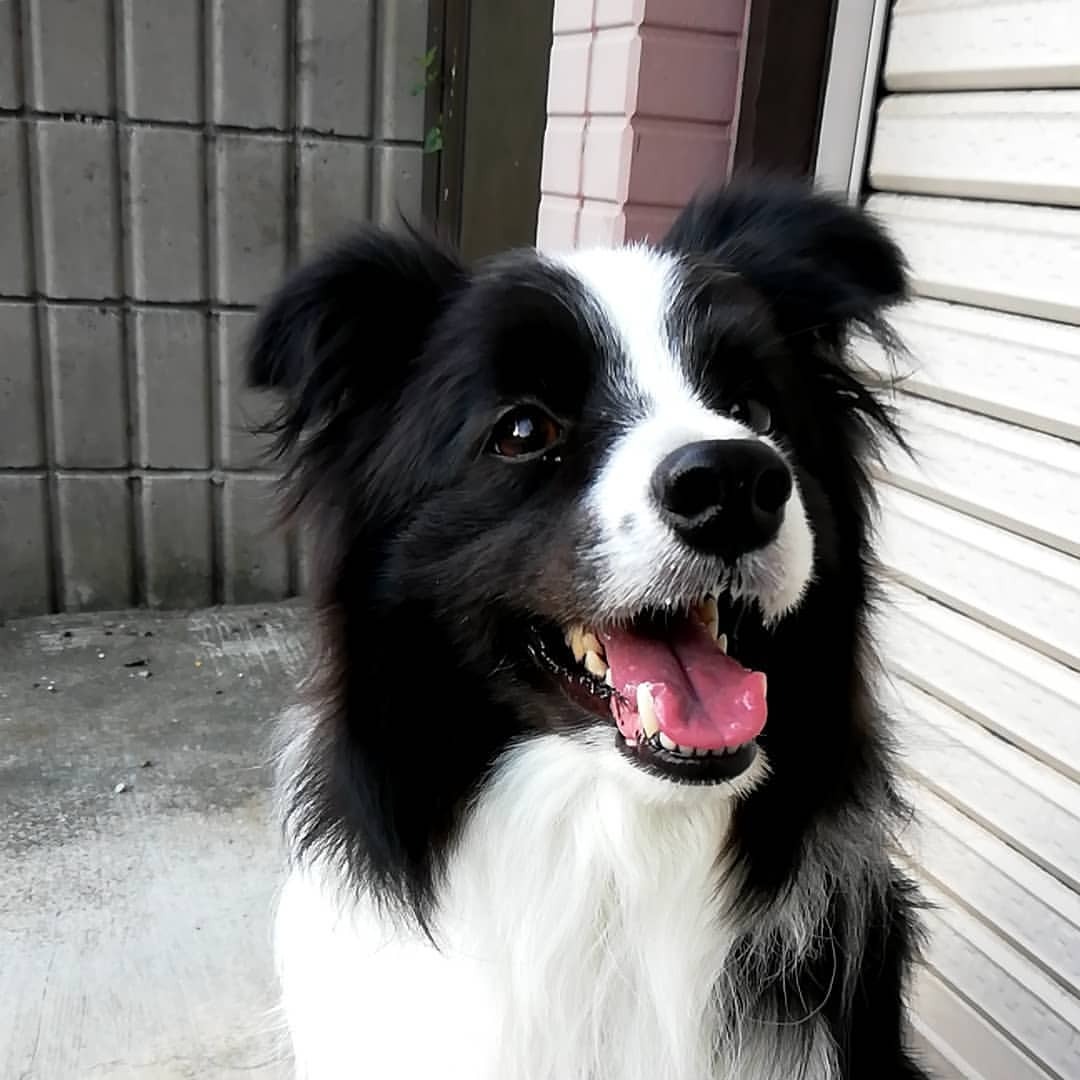
Origins and History
The Swedish Vallhund, also known as the Västgötaspets and Swedish cow dog, is a breed of dog native to Sweden, with its origins traced back to the 8th or 9th century. The breed originated in the province of Västergötland, south of lake Vänern, where it excelled in watching, guarding, and herding. This ancient breed is thought to have played a part in the development of the modern Welsh Corgi and the Lancashire Heeler, with another theory suggesting that either the Swedish Vallhund was brought to Wales or the Corgi to Sweden during the Viking settlement of England.
In 1942, the Swedish Vallhund came close to extinction, but through careful breeding and publicity efforts by Swedish nationals Björn von Rosen and K. G. Zettersten, the breed was revived. Recognized by the Swedish Kennel Club in 1943, the Swedish Vallhund was officially categorized as "the Västgötaspets" for Västergötland, where its revival took place. Since then, the breed has been bred and recognized in over ten countries and has gained some popularity. The breed's revival is often attributed to the efforts of these two individuals, who were instrumental in saving the breed from extinction.
Physical Description
The Swedish Vallhund is a small, powerful spitz-type herding dog with a distinctive wolf-like appearance. Males typically stand at 32-35 cm (12.9-13.7 in) at the withers, while females measure 29-33 cm (11.4-13.0 in). The body length to height ratio is about 2:3, and the head is wedge-shaped with dark brown oval eyes and pricked ears. Their tails are curled and can range from no tail at all to full length, a feature that often leads to the misconception that they have been docked, as tail docking is illegal in Sweden.
The coat is short and harsh, featuring a tight topcoat and a soft, dense undercoat. The color varies from grey, greyish brown, and greyish yellow to reddish brown, with darker hair on the back, neck, and sides of the body. Lighter hair can be found on the muzzle, throat, chest, belly, buttocks, feet, and hocks, with a maximum of 30% white. The hair on the foreparts of the legs is slightly longer than that on the neck, chest, and back parts of the hind legs, contributing to the breed's unique and striking appearance.
Temperament and Traits
Swedish Vallhunds are known for their alert, energetic, friendly, intelligent, courageous, playful, and eager-to-please temperament. This versatile breed is well-suited for various activities, including dog agility trials, obedience, rally obedience, showmanship, flyball, tracking, hiking, and herding events. Their herding instincts and trainability can be measured at noncompetitive herding tests, and Vallhunds with basic herding instincts can be trained to compete in herding trials.
Despite their high energy levels, Swedish Vallhunds are generally friendly with children and can be good with other dogs. However, due to their herding background, they may exhibit herding behavior, such as nipping at heels or herding small pets, which should be addressed through proper training and socialization.
Health and Lifespan
The Swedish Vallhund is generally a healthy dog, with an average lifespan of 12-15 years. Their small stature contributes to their longevity, and they are less prone to ear problems than breeds with long, hanging ears. The breed does well in hot climates due to its double-layer coat, provided the dog has access to cool shade and water. However, they are not well-suited for very deep snow due to their short legs.
One health concern is progressive retinal atrophy, an inherited disease present in 34.9% of the population, which typically presents as mild to moderate night-blindness around the age of ten. This condition is a significant concern for breeders and owners, as it can affect the dog's ability to navigate in low-light conditions.
Breeding and Registration
The Swedish Vallhund is bred for herding, a purpose that has been central to its existence for over 1,000 years. While the breed has gained popularity and recognition in over ten countries, it is not classified as hypoallergenic, with a rating of 0 on the hypoallergenic scale. This means that individuals with allergies may still experience reactions to this breed. The breed's non-hypoallergenic nature is a consideration for potential owners with allergies.
Breeding should be done with a focus on maintaining the breed's original traits, such as their strong herding instincts, intelligence, and friendly nature. The Swedish Kennel Club plays a crucial role in regulating breeding standards and ensuring the health and welfare of the breed.
Living with a Swedish Vallhund
Swedish Vallhunds are generally good with children and can be a great addition to families. Their friendly and playful nature makes them excellent companions for active households. This breed is not suitable for owners looking for a low-maintenance pet, as they require a significant amount of time and effort to keep them happy and healthy.
When considering a Swedish Vallhund, potential owners should be prepared for the costs associated with their care, including veterinary care, grooming, and proper training. The breed's high energy levels may require additional expenses for activities and equipment to keep them engaged and physically fit.
Buying a Swedish Vallhund
Ask about the breeder's experience with the breed, their breeding practices, and the health and temperament of their dogs. A reputable breeder will be transparent about their breeding process and will prioritize the health and welfare of their dogs.
Consider the following checklist when buying a Swedish Vallhund:
- Ask for health clearances, including eye and hip evaluations.
- Check the breeder's reputation and experience with the breed. A breeder with a good reputation is more likely to produce healthy, well-adjusted puppies.
- Visit the puppy and its parents to assess their temperament and living conditions. This visit can provide valuable insights into the puppy's potential behavior and the breeder's commitment to the dogs' welfare.
- Ask about the puppy's socialization and training. A well-socialized puppy is more likely to be adaptable and well-behaved.
- Budget for the costs associated with veterinary care, grooming, and training. The initial cost of purchasing a Swedish Vallhund is just the beginning of the investment in this breed's care.
By taking the time to find the right breeder and puppy, you can ensure a happy and healthy relationship with your Swedish Vallhund. This breed's history, temperament, and physical characteristics make it a unique and rewarding companion for those willing to invest in its care and training.
Frequently Asked Questions
What is the lifespan of the Swedish Vallhund?
The average lifespan of the Swedish Vallhund is about 12-15 years. Good nutrition and regular veterinary care support a healthy life.
What is the temperament of the Swedish Vallhund?
The Swedish Vallhund is known for: Alert, Energetic, Friendly, Intelligent, Courageous, Playful, Eager to Please. Its energy level is high.
What size and weight is the Swedish Vallhund?
It is a medium-sized dog, typically around 9-16 kg as an adult.
Is the Swedish Vallhund easy to care for?
Reliable grooming and shedding ratings are not available. Routine brushing, ear and dental care, and nail trims are still recommended.
Is the Swedish Vallhund good with kids and other pets?
Reliable child- and pet-friendliness ratings are not available. Supervised, gradual introductions are recommended.
How much exercise does the Swedish Vallhund need?
With a high energy level, it needs walks, play or training matched to its stamina.
Swedish Vallhund
Trait Scores
N/A