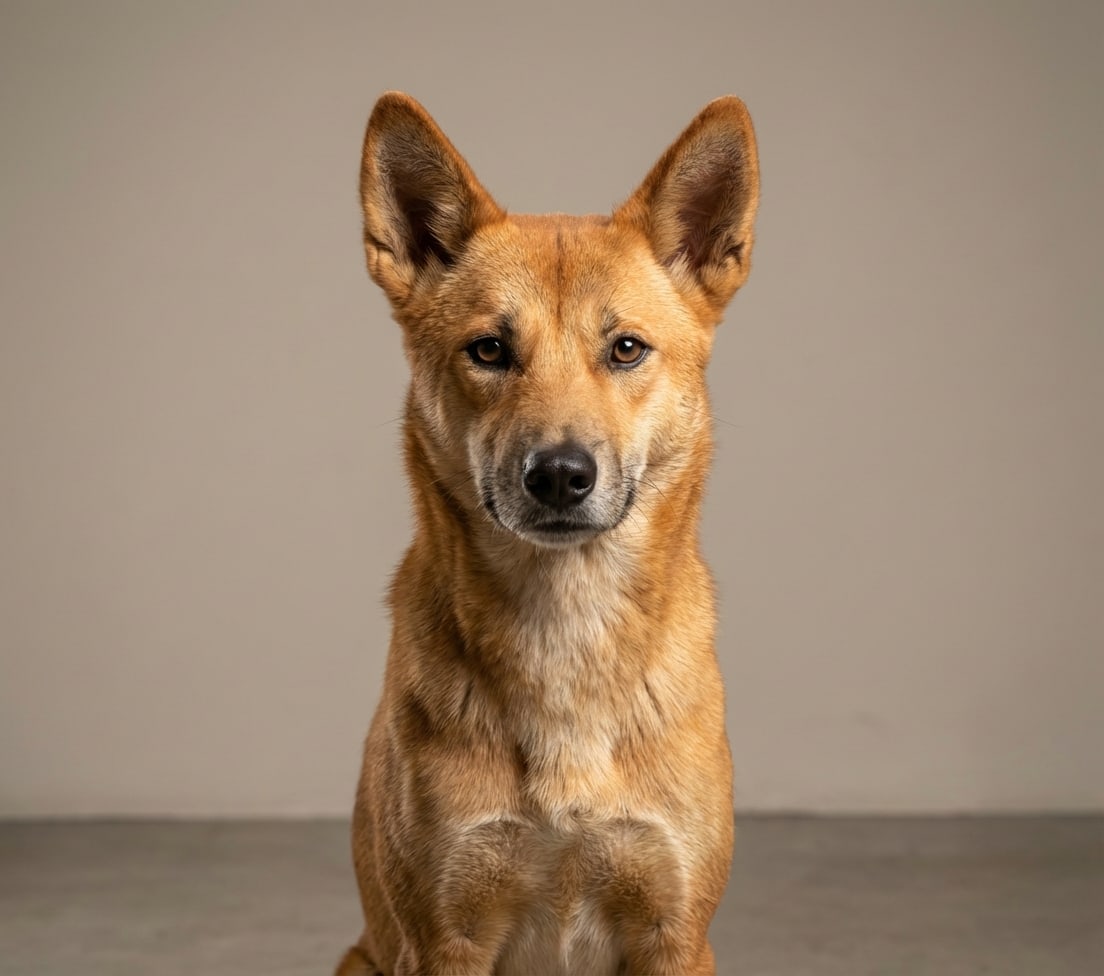
Origin and History
The Swedish Lapphund, known as Svensk lapphund in Swedish, is a breed of dog that originated in Sweden. It is one of three Lapphund breeds developed by the Sami people for herding and guarding their reindeer. This breed is often referred to as "the black beauty of Norrland," a title that highlights its striking appearance. The Swedish Lapphund is believed to be one of Sweden's oldest breeds, with its lineage traced back to a type of dog used by the Sami people, known for their nomadic lifestyle and close relationship with the land and animals.
The breed's mitochondrial DNA belongs to the sub-clade d1, which is unique to northern Scandinavia. This sub-clade originated from a female wolf-male dog hybridization that took place post-domestication, around 480 to 3,000 years ago. This maternal wolf sequence is not found across Eurasia, making the Swedish Lapphund and other Sami-related breeds genetically distinct. The historical significance of this breed is further underscored by its role in the lives of the Sami people, who relied on their dogs for survival and work in the challenging climate of northern Scandinavia.
The Swedish Lapphund's role as a herding dog has shaped its versatile working ability, which also includes guardian duties. This breed's history is deeply rooted in the harsh climate of northern Scandinavia, where its weather-resistant double coat and robust build were essential for survival and work. The breed's ability to adapt to extreme conditions has contributed to its longevity and popularity, not only as a working dog but also as a companion.
Physical Description
The Swedish Lapphund is a slightly less than medium-sized spitz-type dog. Males typically stand at 45 to 51 centimeters (18 to 20 inches) tall, while females range from 40 to 46 centimeters (16 to 18 inches). In terms of weight, healthy adults can weigh between 19 to 21 kilograms (42 to 46 pounds), as per the breed standard. The breed standard is set by kennel clubs and dog registries, ensuring that the breed maintains its unique characteristics and health.
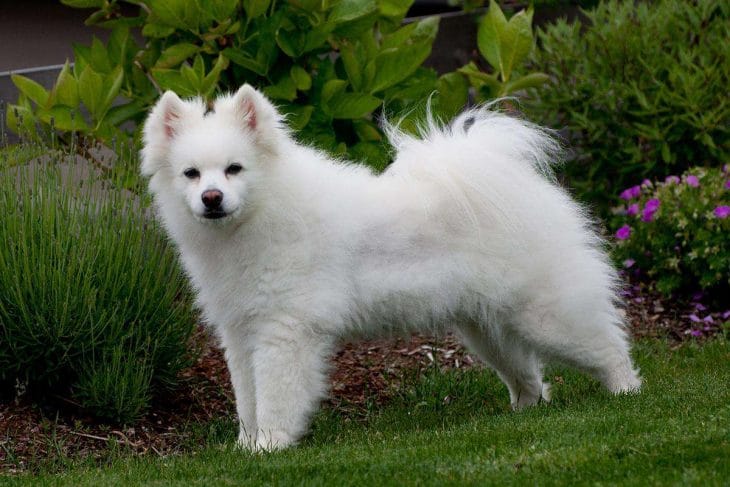
This breed is characterized by its dense, weather-resistant double coat, which provides excellent protection against the cold. The coat is usually solid black, but it may also feature bronze or white markings. The Swedish Lapphund's curled tail is another distinctive feature, adding to its spitz-type appearance.
Temperament and Behavior
The Swedish Lapphund is known for its lively expression, intelligence, and versatile working ability. This breed is alert, intelligent, affectionate, friendly, energetic, and loyal. However, like all spitz dogs, the Swedish Lapphund requires a stable upbringing and regular mental and physical stimulation to perform at its best. The breed's temperament is a result of its working heritage and is an essential factor for potential owners to consider when integrating this breed into their home.
As a working dog, the Swedish Lapphund excels in various disciplines, including obedience, agility trials, working contests, freestyle/heelwork to music, Rally obedience, and blood tracking. Their herding instincts and trainability make them suitable for herding events, where they can be trained to compete in herding trials. The Swedish Lapphund's competitive spirit and intelligence make them valuable in dog sports and activities that challenge their minds and bodies.
However, they do require an active lifestyle and may not be the best choice for those seeking a laid-back companion. The breed's energy levels and desire to work need to be matched by their owners, ensuring a fulfilling and well-rounded life for both the dog and the owner.
Health and Genetics
The Swedish Lapphund is a robust breed with a life span of 12 to 14 years. The breed's genetic makeup, with its unique mitochondrial DNA sub-clade d1, contributes to its distinct characteristics but also requires careful breeding practices to maintain overall health. Common health concerns in this breed include hip dysplasia, patellar luxation, and progressive retinal atrophy, among others. Responsible breeders conduct health screenings and genetic testing to minimize the risk of these conditions.
Owners should be aware of the breed's potential health issues and be prepared for the costs associated with veterinary care. The Swedish Lapphund Club of America and other kennel clubs provide resources and guidelines for breed-specific health concerns, helping owners make informed decisions about their pets' care.
Breeding and Care
Breeding Swedish Lapphunds should be approached with care, focusing on maintaining the breed's health and working abilities. Responsible breeders prioritize genetic diversity, health testing, and temperament assessments to produce puppies that are well-suited for their intended roles as companions and working dogs. The Swedish Lapphund Club of America and other international clubs provide breed standards and guidelines to ensure the breed's characteristics are preserved.
The breed's nails should be trimmed regularly, and ears should be checked for signs of infection.
Living with a Swedish Lapphund
Living with a Swedish Lapphund requires an understanding of their energetic and intelligent nature. Given their working heritage, Swedish Lapphunds are best suited for active owners who can provide them with the necessary physical and mental challenges. This could include daily walks, playtime, and involvement in dog sports and activities.
Training is a crucial aspect of living with a Swedish Lapphund. The breed's intelligence and willingness to please make them responsive to training, but it requires patience and positive reinforcement. A well-trained Swedish Lapphund is more likely to be a well-behaved and enjoyable member of the family.
Swedish Lapphunds are known for their loyalty and attachment to their owners, forming strong bonds that last a lifetime. This breed's adaptability to various living situations, from rural homes to urban apartments, makes them versatile companions. However, they do require an active lifestyle and may not be the best choice for those seeking a low-maintenance pet.
Buying a Swedish Lapphund: A Practical Checklist
- Research reputable breeders who prioritize health and temperament.
- Visit the puppy in its home environment to assess the parents' health and care.
- Ask for health clearances and genetic testing results for potential inherited conditions, such as hip dysplasia and patellar luxation.
- Ensure the puppy has received appropriate vaccinations and deworming treatments.
- Be prepared for the ongoing costs of care, including grooming, exercise, and veterinary care.
- Consider the breed's exercise and mental stimulation needs, ensuring you can provide a suitable lifestyle.
- Understand the breed's potential health concerns and be prepared for the associated veterinary costs.
Frequently Asked Questions
What is the lifespan of the Swedish Lapphund?
The average lifespan of the Swedish Lapphund is about 12-14 years. Good nutrition and regular veterinary care support a healthy life.
What is the temperament of the Swedish Lapphund?
The Swedish Lapphund is known for: Alert, Intelligent, Affectionate, Friendly, Energetic, Loyal. Its energy level is high.
What size and weight is the Swedish Lapphund?
It is a large dog, typically around Male: 19-30; Female: 17-25 kg as an adult.
Is the Swedish Lapphund easy to care for?
Reliable grooming and shedding ratings are not available. Routine brushing, ear and dental care, and nail trims are still recommended.
Is the Swedish Lapphund good with kids and other pets?
Reliable child- and pet-friendliness ratings are not available. Supervised, gradual introductions are recommended.
How much exercise does the Swedish Lapphund need?
With a high energy level, it needs walks, play or training matched to its stamina.
Swedish Lapphund
Trait Scores
N/A