Origin and Historical Background
The Styrian Coarse-haired Hound, known in German as Steirische Rauhhaarbracke, has its origins in the Austrian province of Styria. This breed was developed in the 1870s by Karl Peintinger, an industrialist from Styria, who crossed his "Hela 1", an old type of Hanoverian scent hound, with an Istrian Hound. The result was a rugged, hardy hunting dog suitable for the challenging mountainous terrain of the region.
This breed is one of the large Austrian Bracke, and it was first recognized in 1889 by the Österreichische Kynologenverband (Austrian Kennel Club). It is known for its role in hunting boar and tracking wounded animals, particularly in high-altitude regions such as the Alps. The breed is less commonly kept as a companion dog and is more often used by Austrians and Slovenians for hunting purposes, with a particular focus on the challenging terrain of the Carpathian Mountains.
The Styrian Coarse-haired Hound is also referred to as the Peintinger Bracke, a name that honors its creator, Karl Peintinger. The breed has been maintained through "refresher breeding," a process that involves outcrossing to keep the breed healthy and robust, ensuring that the breed's hunting abilities are preserved.
Appearance and Physical Characteristics
The Styrian Coarse-haired Hound is a medium-sized hound dog with a robust and muscular body. Males typically weigh between 15 to 18 kg (33-40 lbs), while females weigh slightly less at 15 to 17 kg (33-37 lbs). The height at the withers ranges from 45 to 53 cm (17.5-21 in) for males and 45 to 51 cm (17.5-20 in) for females, making them a versatile size for both hunting and companionship.
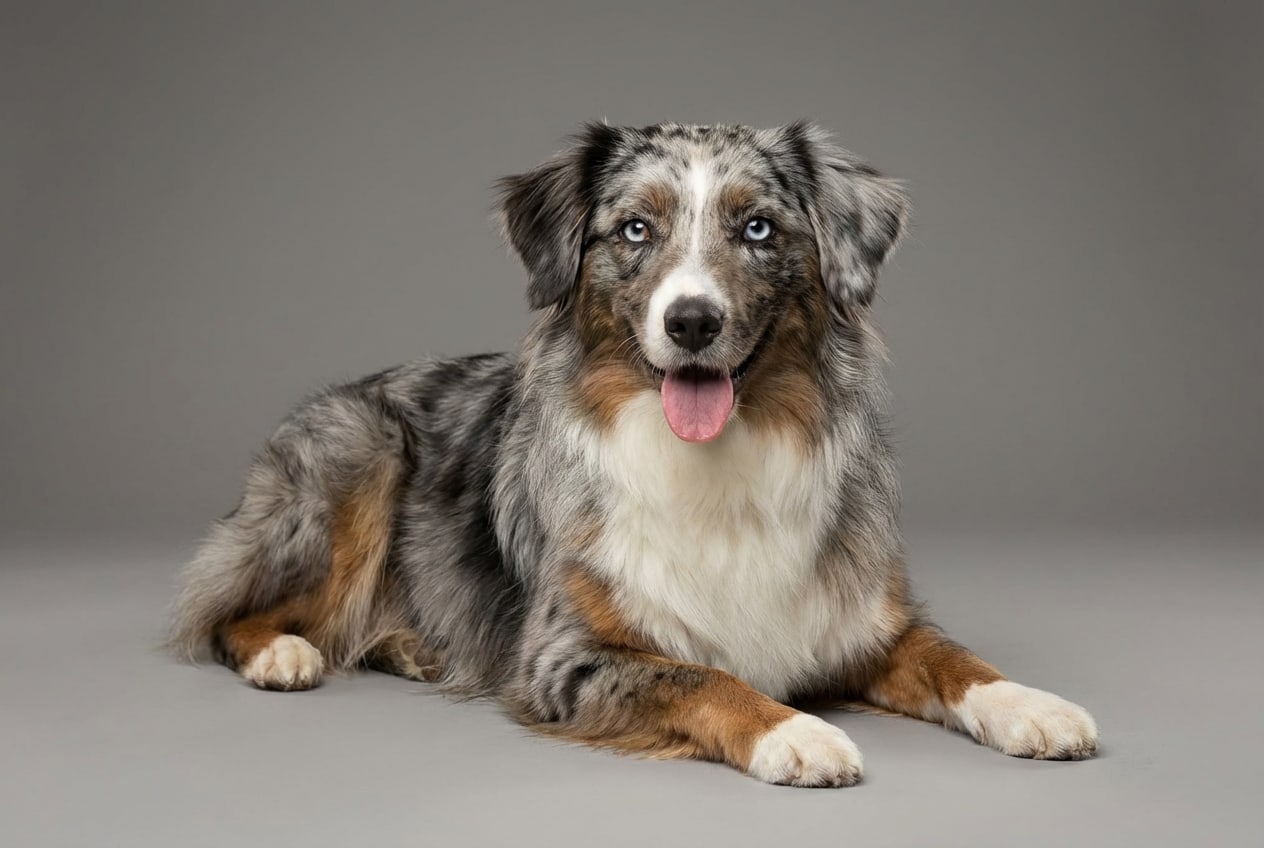
Distinctive features of the breed include its harsh and rough coat, which is neither shaggy nor long. The coat colors are primarily red and fawn, with a white mark often present on the chest, which is a characteristic that can be traced back to the breed's Istrian Hound ancestry.
The breed has a serious expression, reflecting its focused and determined nature, especially when on the hunt.
Temperament and Personality
The Styrian Coarse-haired Hound is a work-focused breed with a strong sense of loyalty and courage. These dogs are independent by nature, which can sometimes make them challenging to train. Their independence is a trait that has been selectively bred for, as it allows them to work effectively in the field without constant supervision.
Due to their strong hunting instincts, the Styrian Coarse-haired Hound is not the best choice as a family pet and requires a lot of space and exercise. Their dominance and potential destructiveness mean they may not be suitable for homes with young children or other pets. Potential owners should be prepared to provide a firm but gentle hand in training, as well as a consistent routine to channel their energy and instincts positively.
Breed Standards and Recognition
The Styrian Coarse-haired Hound is recognized in its home country, Austria, by the Österreichische Kynologenverband (Austrian Kennel Club). Internationally, it is recognized by the Fédération Cynologique Internationale (FCI) as a medium-sized scenthound, with breed number 62. In North America, the breed is recognized by the United Kennel Club in the Scenthound Group, making it one of the few European breeds to gain recognition in the United States.
While the breed may be listed under various names by minor kennel clubs and organizations, it remains a rare breed, cherished for its unique traits and historical significance in hunting.
Health and Genetic Considerations
The Styrian Coarse-haired Hound is known for its robust health, with the breed being maintained through "refresher breeding" to avoid health issues. This process involves outcrossing to keep the breed healthy and robust, ensuring that the breed's hunting abilities are preserved. Common health concerns for hound breeds include hip dysplasia and other joint issues, but the Styrian Coarse-haired Hound has been bred to minimize these risks.
The breed's coat is harsh and rough, which can sometimes lead to skin irritations if not properly maintained.
Breeding and Ownership
Breeding of the Styrian Coarse-haired Hound is overseen in Austria by the Österreichischer Verein Brack, a hunting club responsible for maintaining the breed's standards and ensuring proper hunting practices.
The cost of owning a Styrian Coarse-haired Hound can be significant, including grooming, veterinary care, and other related expenses.
Owners should also be aware that the breed is not typically suited for apartment living or sedentary lifestyles. Their need for physical activity and mental stimulation makes them a better fit for active individuals or families with access to outdoor space. The breed's hunting instincts and high energy levels require a dedicated owner who can provide the necessary exercise and training.
Buyer's Checklist for Styrian Coarse-haired Hound
- Ensure that you have access to a large space for the dog to exercise, such as a rural setting or a securely fenced yard.
- Consider the potential for dominance and the need for a firm but gentle hand in training to establish a strong pack leader and maintain good behavior.
- Understand the breed's strong hunting instincts and its need for regular physical activity, including long walks, runs, and opportunities to track scents.
- Be financially prepared for the costs associated with owning a dog of this breed, including grooming, veterinary care, and training, which can be substantial due to the breed's unique needs.
Frequently Asked Questions
What is the lifespan of the Styrian Coarse-haired Hound?
The average lifespan of the Styrian Coarse-haired Hound is about 12-14 years. Good nutrition and regular veterinary care support a healthy life.
What is the temperament of the Styrian Coarse-haired Hound?
The Styrian Coarse-haired Hound is known for: Work-focused, Loyal, Courageous, Independent, Alert. Its energy level is moderate.
What size and weight is the Styrian Coarse-haired Hound?
It is a large dog, typically around Male: 15-18; Female: 15-17 kg as an adult.
Is the Styrian Coarse-haired Hound easy to care for?
Reliable grooming and shedding ratings are not available. Routine brushing, ear and dental care, and nail trims are still recommended.
Is the Styrian Coarse-haired Hound good with kids and other pets?
Reliable child- and pet-friendliness ratings are not available. Supervised, gradual introductions are recommended.
How much exercise does the Styrian Coarse-haired Hound need?
With a moderate energy level, it needs walks, play or training matched to its stamina.
Styrian Coarse-haired Hound
Trait Scores
N/A