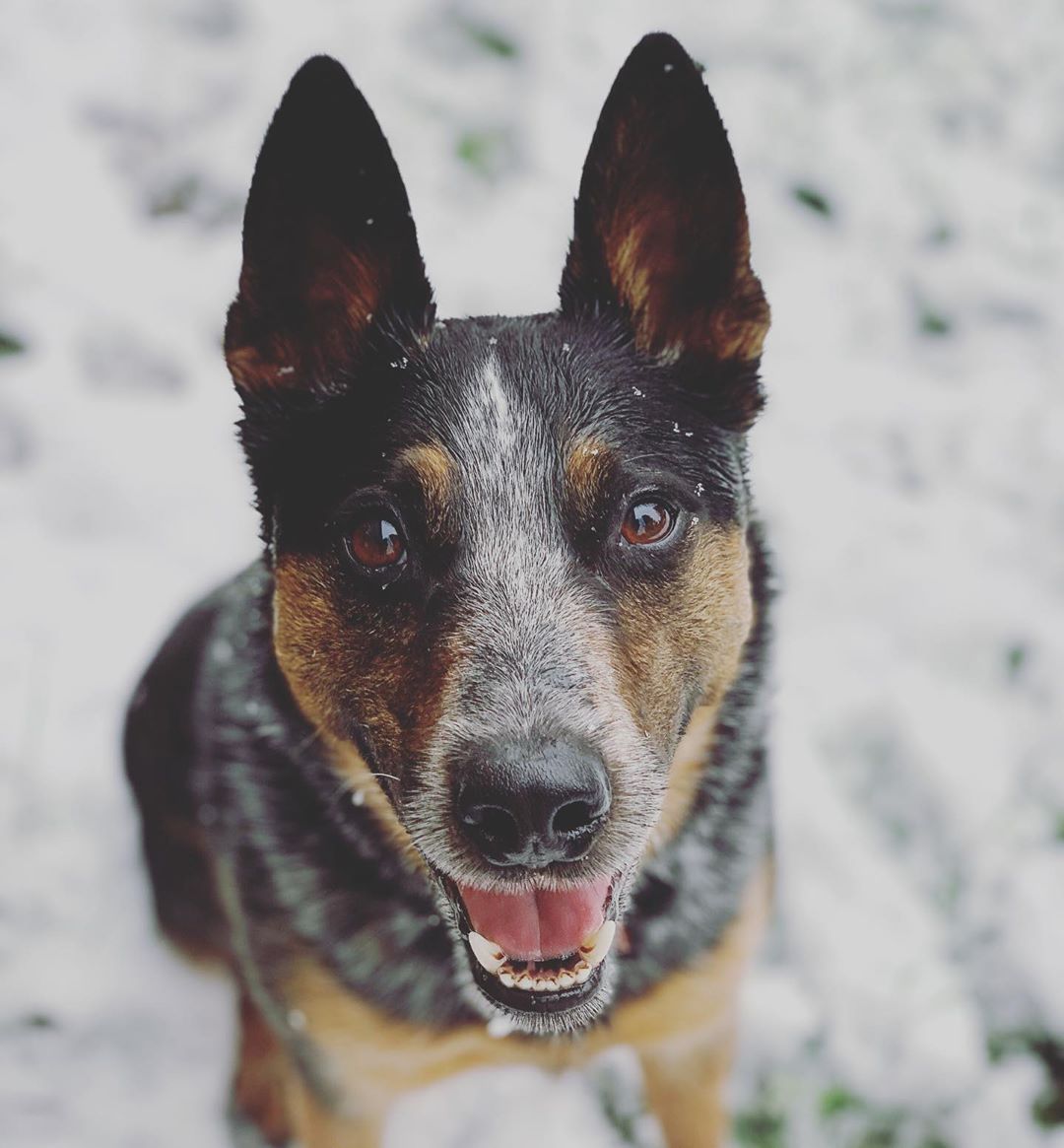
Origin and History
The Stabyhoun, also known as Stabijhoun or Stabij, originates from the Dutch province of Friesland, specifically the forested region of eastern and southeastern Friesland. Its history dates back to the early 1800s, with mentions in Frisian literature by Joost Halbertsma, Waling Dijkstra, and Nynke fan Hichtum. The breed was traditionally used for hunting foxes, small game, and birds, as well as for mole-catching on Frisian farms. It was also utilized as an all-around gun dog during hunting seasons and by dairy farmers as a cart dog.
Stabyhouns were almost exclusively found on farms, where they were valued for their versatility as working farm dogs capable of hunting, guarding property, catching pests, and being faithful family companions. The breed was often mixed with the Wetterhoun, another old and rare Frisian breed, to enhance its robustness. In 1942, the Stabyhoun received official breed recognition, and crossbreeding with the Wetterhoun ceased to prevent the extinction of these rare breeds.
Today, the Stabyhoun remains a competent hunter and a versatile dog, participating in various dog trials and activities such as agility, obedience, hunting, triathlon, endurance, and frisbee. Its numbers are slowly increasing, and it has gained a small but devoted following among Dutch sportsmen and families, as well as in the United Kingdom, Scandinavia, and North America.
Breed Characteristics
The Stabyhoun is a medium-sized dog with a distinctive sleek, longish black and white coat. Males typically weigh between 20-25 kg (45-55 lb) and stand at 51-55 cm (20-21 in) at the withers, while females weigh between 18-23 kg (40-50 lb) and stand at 47-51 cm (18-20 in) at the withers. The breed is known for its gentle, calm temperament, and is considered one of the rarest dog breeds in the world, making it a Dutch national treasure.
Stabyhouns are intelligent, loyal, friendly, and devoted companions. They are gentle with children and other animals and are known for their soft-mouthed retrieving and fine pointing abilities. The breed is also a strong tracker and a good alert dog. Despite their modest build, Stabyhouns are powerful and sturdy, with larger individuals historically used to pull dog-carts.
Stabyhouns have a long and sleek coat that requires regular brushing to minimize tangling. They moult twice a year, and thorough brushing during this period is especially important. The breed is not hypoallergenic, and shedding is considered medium. The Stabyhoun is known for its adaptability and trainability, which is high due to its intelligence and willing nature.
Temperament and Behavior
Stabyhouns are known for their gentle disposition and are friendly, sensitive, and intelligent. They are calm, patient, and biddable, although they may occasionally display stubbornness. This breed is extremely tolerant of children and other animals, making it an excellent family pet. With steady and gentle training, Stabyhouns are obedient and devoted to their guardians.
Despite their calm nature indoors, Stabyhouns enjoy plenty of physical activity, especially those with their Frisian roots. They relish the opportunity to swim and are known for their strong tracking abilities. Stabyhouns are also soft-mouthed retrievers, excellent pointers, and good alert dogs, making them versatile in various dog sports and activities.
Stabyhouns should never be vicious or snappy. Their gentle and friendly nature makes them ideal companions for those seeking a loyal and affectionate dog.
Health and Genetics
The Stabyhoun is generally a healthy breed with an average lifespan of 13-15 years. Diet, exercise, care, and environment play significant roles in the breed's health and longevity. However, some congenital health conditions have been identified in the Stabyhoun, including patent ductus arteriosus (PDA), epilepsy, elbow dysplasia, hip dysplasia, and Type 1 Von Willebrands Disease (vWB). Other conditions recorded include radius curvus, hereditary cataracts, steroid responsive meningitis-arteritis (SRMA), and non-specific cancer.
With careful breeding, most of these health issues have been eliminated. Epilepsy, which used to be more prevalent, is no longer as common.
Breed advisors research and approve pairings to control inbreeding and maintain genetic diversity. The greatest genetic diversity remains in the Netherlands, where Stabyhouns represent Dutch culture and heritage. Breeders keep puppy and dog prices affordable, with Stabyhoun breeders often being hobbyists.
Appearance and Coat
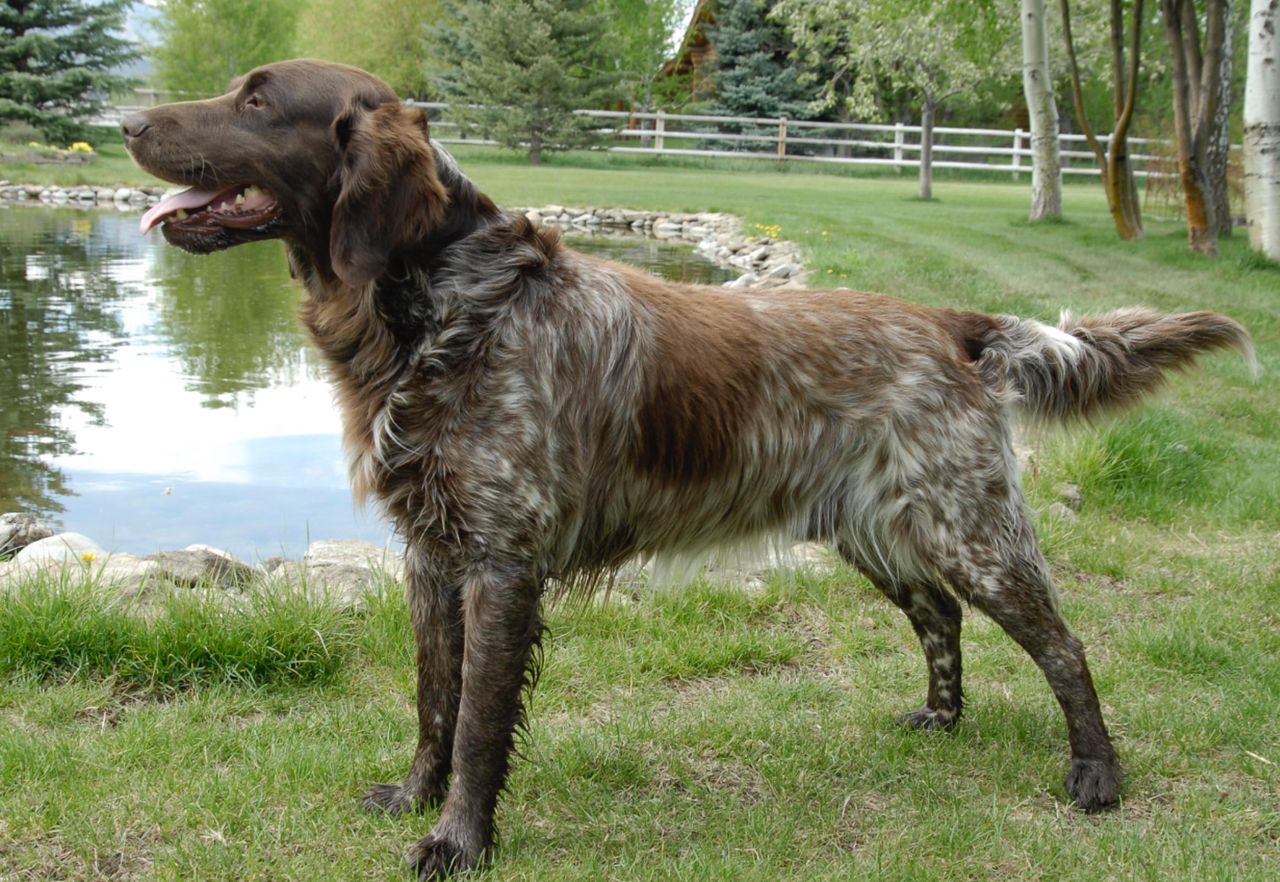
The Stabyhoun has a sturdy build with a soft, silky coat that is longer than it is tall. The breed should be of good physical scale and balance, neither muscular nor slender. The head is longer than it is wide, with a slightly domed skull and a powerful, slightly arched neck. The ears are medium in size, set fairly low, and shaped like a mason's trowel. The eyes are medium in size with tight, rounded lids, and the nose is well-developed with wide nostrils.
The Stabyhoun's coat is typically black and white, with a solid black head and white-tipped tail. Brown and white Stabyhouns are less common, while orange and white coated Stabyhouns have become increasingly rare. Ticking and/or roaning in the white portions of the coat are acceptable, but tricolour is considered a fault. The ideal weight of a Stabyhoun is 45 lb (20 kg) for a female and 50-55 lb (23-25 kg) for a male.
The breed's body should be powerful with well-rounded ribs and a straight back. The tail is long, reaching to the hock, and is carried downwards with a gentle bend upwards toward the tip. The Stabyhoun's pasterns are strong, and the hindquarters are powerful and well-angulated with a low-placed hock. The feet are round and rather large, with well-developed, arched toes and thick pads.
Grooming and Care
The Stabyhoun does not require special care beyond regular brushing to minimize tangling. Thorough brushing is particularly important during the twice-yearly moult, as Stabyhouns can develop dreadlocks-like mats if not properly brushed. Harsh soaps and shampoos should be avoided, as they strip the coat of its natural oils and shine. The Stabyhoun's coat will naturally rid itself of dirt and mud, and after a swim, the dog is usually clean and dry in a matter of hours.
This breed enjoys activities that challenge its intelligence and physical abilities, such as agility, obedience, and hunting. Socialization is also important, as it helps prevent behavioral issues and ensures the Stabyhoun is well-behaved in various situations.
Routine check-ups and vaccinations help prevent diseases and maintain the dog's overall health.
Buying a Stabyhoun
Look for breeders who are members of recognized associations such as the Dutch Association for Stabyhouns and Wetterhouns (NVSW), the Ameri-Can Stabyhoun Association, and the UK Stabyhoun Association. These organizations provide breed advisors who research and approve pairings to maintain genetic diversity and control inbreeding.
Be prepared for a moderate investment in terms of puppy and dog prices, as Stabyhouns are a rare breed and their breeders are often hobbyists who keep prices affordable.
Ensure that your household is suitable for a Stabyhoun, considering the breed's size, energy level, and grooming needs. If you have children or other pets, make sure that your home is a safe environment for the Stabyhoun and that you can provide the necessary attention and exercise.
Frequently Asked Questions
What is the temperament of the Stabyhoun?
The Stabyhoun is known for: Gentle, Intelligent, Calm, Loyal, Friendly, Devoted. Its energy level is low.
What size and weight is the Stabyhoun?
It is a large dog, typically around Male: 20-25; Female: 18-23 kg as an adult.
Is the Stabyhoun easy to care for?
Reliable grooming and shedding ratings are not available. Routine brushing, ear and dental care, and nail trims are still recommended.
Is the Stabyhoun good with kids and other pets?
Reliable child- and pet-friendliness ratings are not available. Supervised, gradual introductions are recommended.
How much exercise does the Stabyhoun need?
With a low energy level, it needs walks, play or training matched to its stamina.
Stabyhoun
Trait Scores
N/A