Origin and Development
The Sporting Lucas Terrier, a Scottish breed, originated in the 1990s through the visionary efforts of Brian Plummer. This breed was crafted by crossing the Lucas Terrier, the Jack Russell Terrier, and various Fell Terriers, with the ultimate goal of creating a superior working terrier. The breed's name is a tribute to Major Jocelyn Lucas, who had a passion for breeding Sealyham Terriers capable of going to ground. Major Lucas's ambition led to a cross with Norfolk Terriers in the late 1940s, which laid the foundation for the Lucas Terrier. Despite the Lucas Terrier Club de-listing Brian Plummer's dogs due to the introduction of other terrier types, Plummer's dogs persevered and were later recognized as the Sporting Lucas Terrier. This breed remains a niche with dedicated enthusiast communities and registries, notably recognized by the United Kennel Club (US) within their Terrier Group. Brian Plummer, the breed's developer, documented his breeding practices and the terrier's working nature in 'Tales of a Rat-Hunting Man', providing valuable insights into the breed's heritage.
Major Lucas's initial ambition to breed a Sealyham Terrier capable of going to ground was a significant milestone in the breed's development. The Sporting Lucas Terrier's recognition by the United Kennel Club (US) underscores its unique status as a niche breed, with a following that values its distinctive characteristics. The breed's development from various terrier types, including the Lucas Terrier, Jack Russell Terrier, and Fell Terriers, has contributed to its robustness and versatility.
Breed Standards
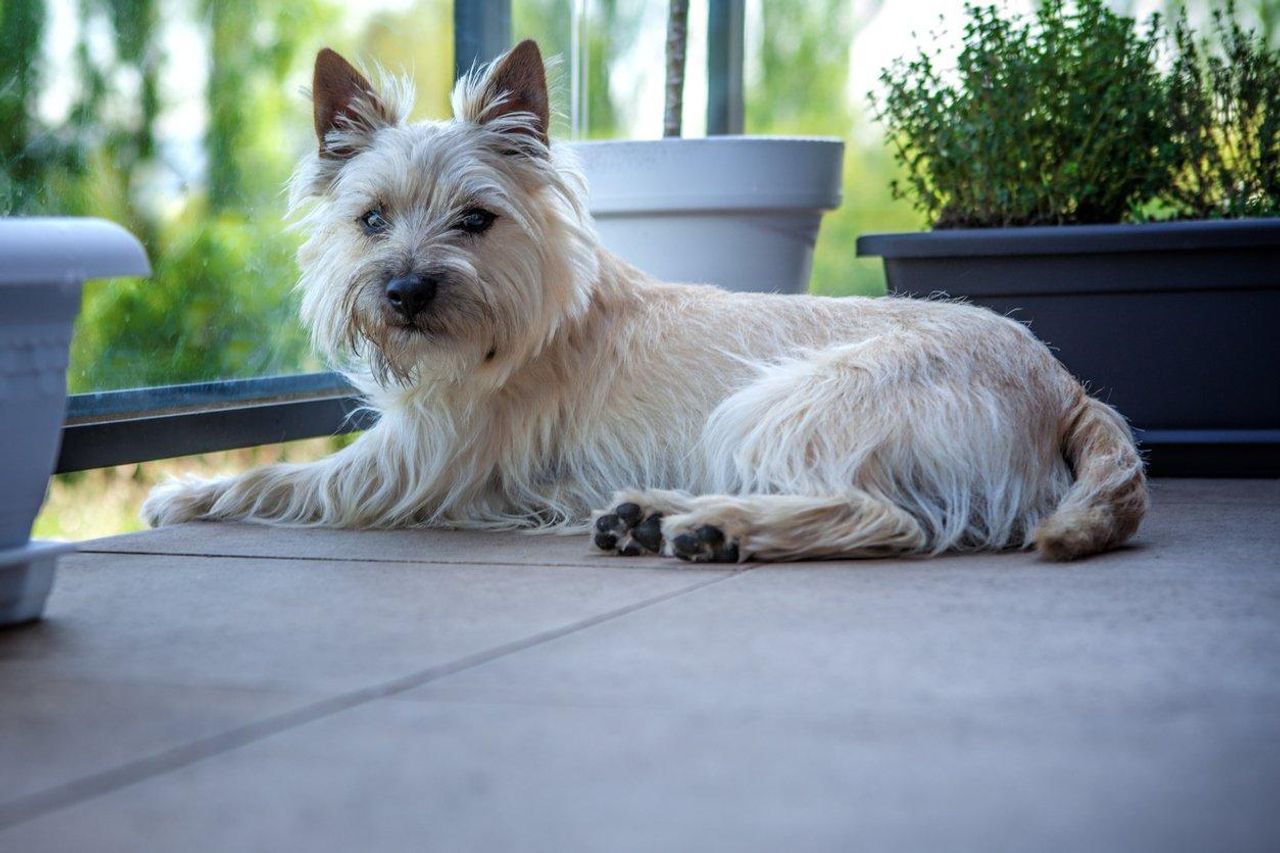
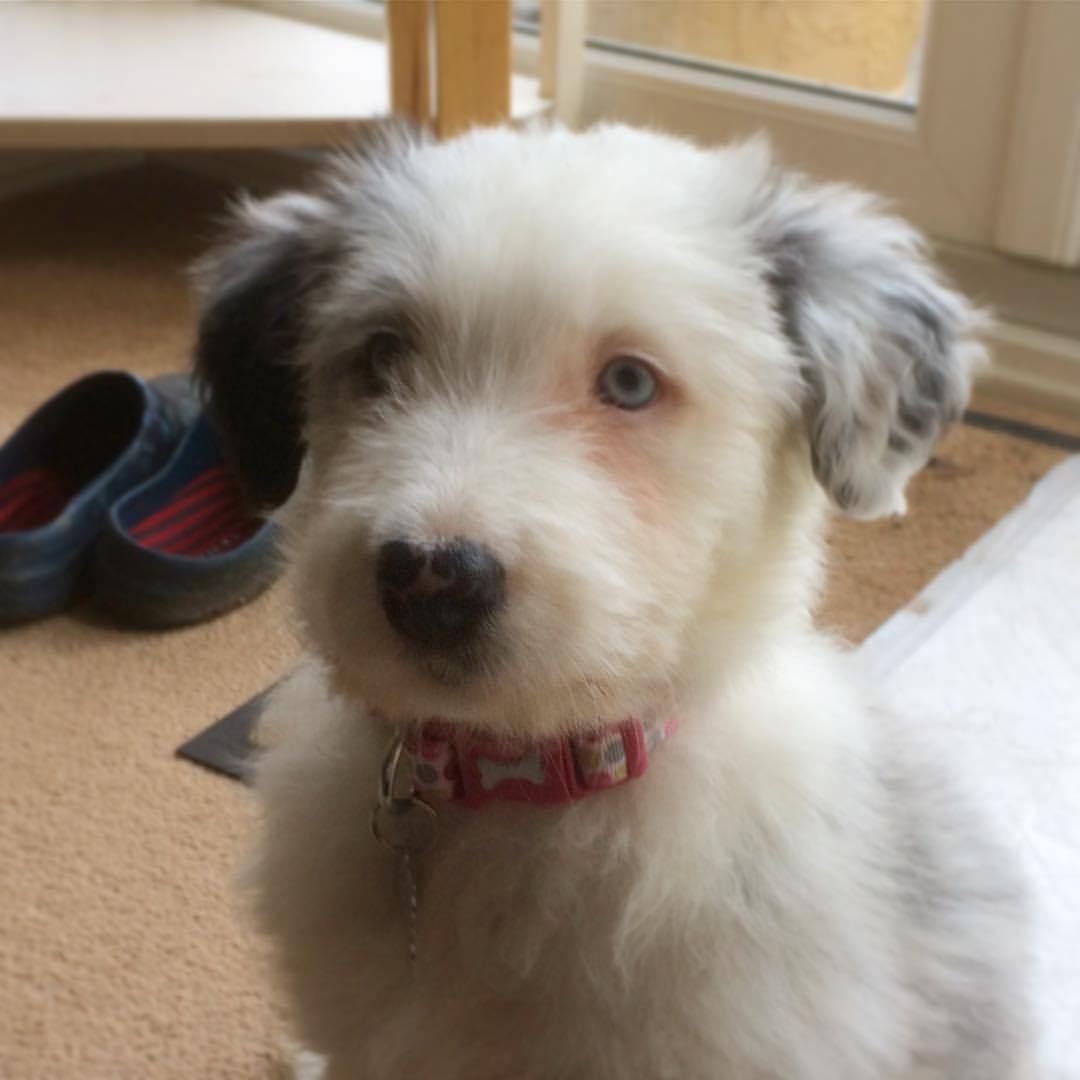
Complying with breed standards, the Sporting Lucas Terrier is a small, narrow-chested terrier, standing at 28-33 cm at the withers for males and 25-30 cm for females. Males typically weigh between 6.5-8 kg, while females weigh 5-6.5 kg. This compact and agile build is well-suited for work in challenging terrains, reflecting the breed's working terrier heritage. The breed's coat is harsh and shaggy, predominantly white with dark patches, and can also be found in combinations of brown, black, tan, or grizzle and tan colors. The coat's texture and coloration contribute to the Sporting Lucas Terrier's distinctive appearance, which is both functional and visually appealing.
The breed's standards are stringent, ensuring that each dog meets the criteria for a Sporting Lucas Terrier. The height and weight specifications, along with the coat color and texture, are all part of the breed's identity. The standards are designed to maintain the breed's working capabilities while also considering its aesthetic qualities.
Temperament and Character
Temperamentally, the Sporting Lucas Terrier is alert, intelligent, friendly, energetic, and courageous. Their friendly nature is well-suited for social interaction, while their energy and courage are hallmarks of their working terrier heritage.
The breed's temperament is a blend of its parent breeds, with the Lucas Terrier's intelligence and the Jack Russell Terrier's liveliness contributing to the Sporting Lucas Terrier's dynamic personality. Their alertness and courage are particularly valuable in working roles, where they can navigate challenging environments with confidence.
Lifestyle and Compatibility
The Sporting Lucas Terrier is highly adaptable, though its high energy level and moderate shedding suggest it may be more suitable for families with older children and individuals willing to provide ample exercise, play, and mental stimulation.
Despite not being considered hypoallergenic, the breed's moderate shedding may make it a viable option for individuals with allergies. However, potential owners should be prepared to provide a home that caters to the Sporting Lucas Terrier's high energy and exercise requirements.
Health Considerations
As with any breed, the Sporting Lucas Terrier may face potential health issues, though specific details are not extensively documented. Their robustness as working terriers suggests they can be quite healthy, but owners should be aware of possible genetic predispositions, particularly if they share traits with their parent breeds. The breed's history and development from various terrier types introduce genetic variability that can impact their overall health.
Owners should be vigilant about monitoring the health of their Sporting Lucas Terriers, especially for conditions that may be inherited from their parent breeds.
Ownership Responsibilities
Owning a Sporting Lucas Terrier requires dedication and responsibility. The breed's intelligence and trainability can be harnessed with consistent training and positive reinforcement methods. Given that the breed is not recognized by all major kennel clubs, owners may face limited options for registering their dogs. However, there are numerous specialty clubs, sports clubs, and internet-based registries that offer recognition for this unique breed.
Owners of Sporting Lucas Terriers should be prepared to invest time and effort into training and socialization. The breed's high energy and intelligence require a committed owner who is willing to provide mental and physical stimulation. The breed's recognition by specialty clubs and internet-based registries provides a sense of community and support for owners.
Practical Considerations
With an average lifespan of 12-15 years, the Sporting Lucas Terrier can be a lifelong companion. For those seeking a small, active working dog with a sturdy build and a friendly demeanor, the Sporting Lucas Terrier could be a fitting choice. Their rarity, combined with their dedicated enthusiast community, suggests a breed that would appreciate a home that values its unique traits and is willing to support its continued recognition.
The breed's average lifespan and its role as a companion animal highlight the importance of responsible ownership. Potential owners should consider the long-term commitment required to care for a Sporting Lucas Terrier, including providing for its health, training, and social needs. The breed's unique status as a niche breed within the United Kennel Club (US) and its recognition by specialty clubs and internet-based registries underscore its value and the community that supports it.
Frequently Asked Questions
What is the lifespan of the Sporting Lucas Terrier?
The average lifespan of the Sporting Lucas Terrier is about 12-15 years. Good nutrition and regular veterinary care support a healthy life.
What is the temperament of the Sporting Lucas Terrier?
The Sporting Lucas Terrier is known for: Alert, Intelligent, Friendly, Energetic, Courageous. Its energy level is high.
What size and weight is the Sporting Lucas Terrier?
It is a medium-sized dog, typically around Male: 6.5-8; Female: 5-6.5 kg as an adult.
Is the Sporting Lucas Terrier easy to care for?
Reliable grooming and shedding ratings are not available. Routine brushing, ear and dental care, and nail trims are still recommended.
Is the Sporting Lucas Terrier good with kids and other pets?
Reliable child- and pet-friendliness ratings are not available. Supervised, gradual introductions are recommended.
How much exercise does the Sporting Lucas Terrier need?
With a high energy level, it needs walks, play or training matched to its stamina.
Sporting Lucas Terrier
Trait Scores
N/A