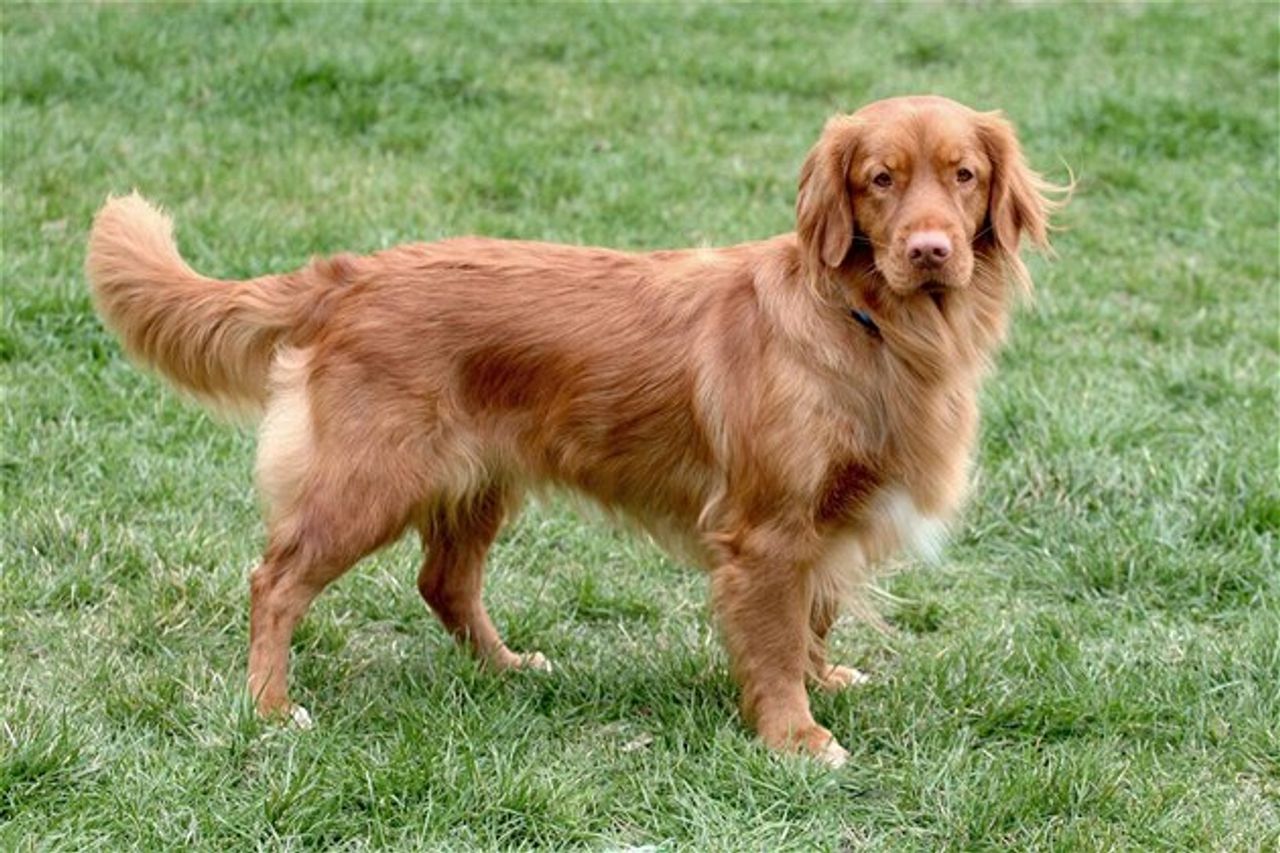
Origin and History
The Spanish Water Dog, known as Perro de Agua Español, originated in Spain and has a rich history that spans centuries. This breed was traditionally used for various tasks, including herding sheep or cattle, retrieving game in marshlands, and aiding inshore fishermen on the Cantabrian coast. The Spanish Water Dog's versatility and adaptability were crucial in the challenging coastal regions of Spain.
Three distinct sub-populations of the breed were identified in the late twentieth century: the Marismeño, Serrano, and Norteño. The Norteño sub-population was recognized as a separate breed, the Cantabrian Water Dog, in 2012. This recognition helped preserve the genetic diversity within the breed. The Spanish Water Dog was officially recognized by the Real Sociedad Canina de España in 1975, the Fédération Cynologique Internationale in 1999, and by Spanish law in 2001, solidifying its status as a distinct breed.
Until the 1970s and 1980s, the breed's population remained stable, but changes in agricultural and fishing methods led to a sharp decline. This prompted scientific studies, with one notable study conducted in the province of Malaga in the 1980s. The study, led by researchers from the Universidad de Córdoba in the 1990s, focused on the breed's genetic health and population dynamics. These efforts helped to revitalize the breed and ensure its future.
Physical Characteristics
The Spanish Water Dog is a medium-sized, athletic, and robust dog with a distinctive curly, woolly coat. Approximately half of the dogs are born with natural bobbed tails, a trait that is highly valued in the breed. Their heads are strong and carried with elegance, featuring a flat skull and a muzzle that is parallel to the top of the skull. This distinctive head shape contributes to their alert and intelligent appearance.
The coat color may be solid black, beige, brown, or white, bicolored with white, or particolored. However, tri-colored dogs are strictly prohibited by international breed standards, as are black-and-tan or brown-and-tan color combinations. The ears are set at medium height on the skull and are triangular in shape, adding to the dog's regal appearance. For males, the average height at the withers is 44-50 cm (17-20 in), and they weigh 18-22 kg (40-49 lb). Females typically stand at 40-45 cm (16-18 in) at the withers and weigh 14-18 kg (31-40 lb), reflecting the breed's athletic build and agility.
Temperament and Personality
The Spanish Water Dog is known for its loyal, intelligent, and work-focused temperament. They are athletic and energetic, making them alert and responsive to their surroundings. This breed is highly trainable and excels in various activities, which makes them versatile and adaptable. Their natural instinct to work and retrieve makes them excellent at tasks such as retrieving game and waterfowl.
While the Spanish Water Dog is not overly friendly with strangers, they are generally good with children and other dogs, provided they have been properly socialized from a young age.
Health Considerations
The Spanish Water Dog has an average life expectancy of about 14 years. However, recent health testing has uncovered several potential issues, including hip dysplasia, progressive retinal atrophy (prcd-PRA), hypothyroidism, hypoadrenocorticism (Addison's disease), exocrine pancreatic insufficiency, allergies, cataracts, congenital hypothyroidism with goitre (CHG), distichia, cherry eye, and neuroaxonal dystrophy. These conditions can affect the dog's overall health and well-being.
Early detection and management of these issues can significantly improve the dog's quality of life. Responsible breeders conduct health testing on their dogs to minimize the risk of these conditions and ensure the health and longevity of the breed.
Breeder Purpose and Adaptability
The primary purpose of breeding Spanish Water Dogs is for herding. However, their versatility extends beyond herding, making them suitable for various roles, including gundog work and companionship. Their natural retrieving instincts and intelligence make them valuable in hunting and field work.
Their high energy level and need for activity make them best suited for households with an active lifestyle and space to roam.
Coat and Grooming
The Spanish Water Dog's coat is medium in length and woolly in texture, which may form cords when long. The breed's coat is not considered hypoallergenic, as they do shed to some extent, which can be a consideration for individuals with allergies.
Proper grooming can also help detect any skin issues or health concerns early on.
Buying a Spanish Water Dog
- Health clearances: Verify that the dog has been tested for common health issues specific to the breed, such as hip dysplasia, prcd-PRA, and hypothyroidism. This ensures that you are getting a healthy dog with a lower risk of developing these conditions.
- Temperament: Meet the dog and observe its behavior to ensure it is well-mannered and adaptable. A dog that is friendly, confident, and eager to please is more likely to be a good fit for your lifestyle.
- Coat condition: Assess the coat for any signs of matting or skin issues. A healthy coat is a good indicator of the dog's overall health and care.
- Training: Consider the dog's high intelligence and trainability, and plan for ongoing training and socialization. This will help your dog become well-rounded and adapt to various situations.
- Registration: Ensure that the dog is registered with a recognized kennel club or registry, such as the Real Sociedad Canina de España or the Fédération Cynologique Internationale. This documentation helps verify the dog's breed and lineage.
Understanding the breed's history, characteristics, and potential health issues will help you make an informed decision and provide the best possible care for your Spanish Water Dog. Responsible ownership involves providing a loving home, proper training, and ongoing care to ensure the dog's well-being.
Frequently Asked Questions
What is the lifespan of the Spanish Water Dog?
The average lifespan of the Spanish Water Dog is about 12-14 years. Good nutrition and regular veterinary care support a healthy life.
What is the temperament of the Spanish Water Dog?
The Spanish Water Dog is known for: Loyal, Intelligent, Work-focused, Athletic, Energetic, Alert. Its energy level is high.
What size and weight is the Spanish Water Dog?
It is a large dog, typically around Male: 18-22; Female: 14-18 kg as an adult.
Is the Spanish Water Dog easy to care for?
Reliable grooming and shedding ratings are not available. Routine brushing, ear and dental care, and nail trims are still recommended.
Is the Spanish Water Dog good with kids and other pets?
Reliable child- and pet-friendliness ratings are not available. Supervised, gradual introductions are recommended.
How much exercise does the Spanish Water Dog need?
With a high energy level, it needs walks, play or training matched to its stamina.
Spanish Water Dog
Trait Scores
N/A