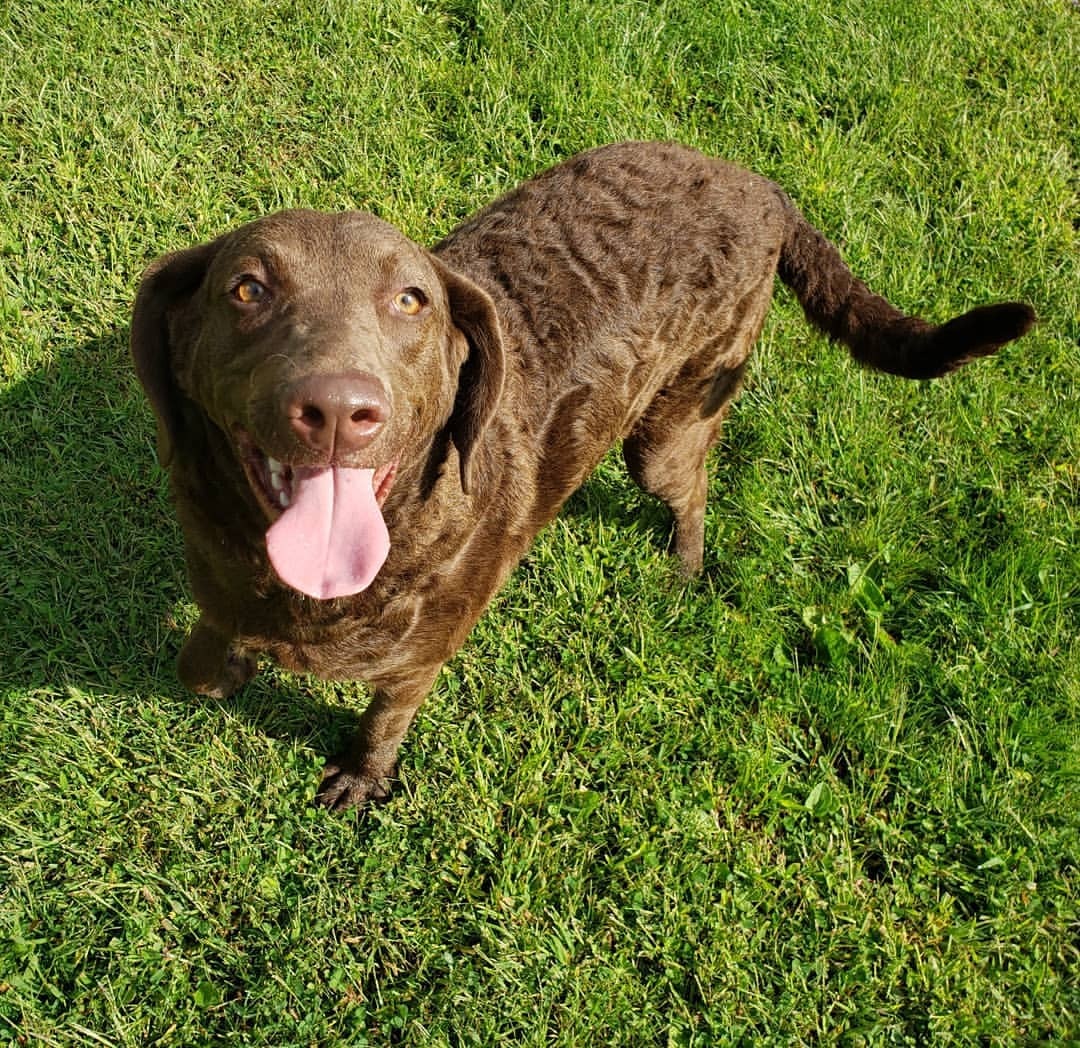
Origin and Historical Context
The Spanish Mastiff, known as the Mastín Español, has a rich history originating in Spain. Its ancestors have been guardians of livestock for thousands of years, working alongside herds as they crossed from northern to southern Spain, protecting them from predators such as wolves. The breed's protective instincts were crucial during the Roman conquest of the Iberian Peninsula, where they continued to serve as livestock guardian dogs.
This breed was primarily protective, in contrast to the Carea dogs, which were used for grazing and herding. The first breed standard for the Spanish Mastiff was established by the Fédération Cynologique Internationale (FCI) in 1946, and the Asociación Española del Perro Mastín Español was formed in 1981 to organize a breeding program aimed at reviving the breed's historical traits. The program focused on producing large, strong dogs suitable as pets, guard dogs, and for defense.
The breed's history is intertwined with significant historical events and figures. For instance, during the Reconquista, Spanish Mastiffs played a crucial role in protecting livestock and human settlements from Moorish invasions. The breed's resilience and loyalty were highly valued, and it became a symbol of strength and protection in Spanish culture.
Appearance
The Spanish Mastiff is a massive and powerful breed, with a large, powerful head and a serious, vigilant expression. Males stand at 70 to 85 centimeters (28 to 33 inches) tall at the withers and weigh between 80 and 120 kilograms (180 to 260 pounds). Females are at least 65 centimeters (26 inches) tall and weigh between 65 and 80 kilograms (143 to 176 pounds). Their large, blocky head has a strong jaw and a deep, square muzzle, which is characteristic of the breed.
They have small eyes and drop ears resembling triangles, with a coat most often fawn but can also be brindle, black, or 'wolf'-colored. Reddish tones in the coat indicate potential crossbreeding. The breed's size, coat length, energy level, and shedding are all categorized as moderate to high, which can make grooming a significant aspect of their care.
Temperament
Spanish Mastiffs are noble giants known for their aloof and dignified demeanor. They are calm, intelligent, and loyal to their family. This loyalty is often seen in their protective nature, making them excellent guardians of their home and property. However, their aloofness can sometimes be perceived as unfriendliness, which is a misconception of their true temperament.
These dogs may not be ideal for urban settings due to their size and vocal nature, but they make excellent protectors of their home and family. Training should be consistent, firm, but gentle, to establish the trainer as the leader and foster loyalty and trust.
Exercise and Movement
While Spanish Mastiffs prefer a lumbering gait, they can move rapidly when necessary. A long daily walk is sufficient exercise, but they will also appreciate a fenced area where they can exercise at their own pace. This breed is more inclined to a leisurely lifestyle, which should be considered in their daily routine.
Varieties and Roles
Besides the modern Spanish Mastiff, there exists a more primitive, traditional variety that does not adhere to aesthetic standards. These include the Traditional Spanish Mastiff, Working Spanish Mastiff, Leonese Mastiff, and Wolf Dog. These strains continue their original role of protecting flocks from predators, demonstrating their effectiveness in this capacity. For example, the Leonese Mastiff, with its shorter coat and more robust build, is particularly well-suited to harsh mountainous terrain.
These unofficial strains show a significant reduction in livestock predation, with figures from the World Wide Fund for Nature in 1986 indicating a 61% reduction when flocks are guarded by Mastiffs. This data highlights the breed's historical and ongoing importance in livestock protection.
Health Considerations
Spanish Mastiffs are particularly prone to hip dysplasia, a condition that can cause pain and mobility issues. The Traditional Spanish Mastiff variety has a lower prevalence of this disease, which suggests a genetic difference that may contribute to their health benefits. Additionally, the breed is susceptible to other health issues such as bloat, which can be life-threatening if not promptly treated.
Representative Dogs
Actor Viggo Mortensen has two Spanish Mastiffs named "Aragorn" and "Alatriste," after the characters he played in his movies. These dogs are examples of the breed's loyalty and presence, showcasing the Spanish Mastiff's versatility beyond its traditional roles.
Buying Checklist and Considerations
When considering the Spanish Mastiff as a pet, here is a practical checklist:
- Understand the breed's history and working background to appreciate its temperament and needs.
- Be prepared for the significant grooming requirements due to the breed's moderate to high shedding.
- Ensure you have a spacious area for exercise, ideally with a fence for the dog's safety and comfort. Spanish Mastiffs require ample space to move around and stretch their legs.
- Be ready for the costs associated with a large breed, including veterinary care and food.
- Commit to proper socialization and training to develop a well-rounded, balanced dog.
The Spanish Mastiff is a powerful, intelligent, and loyal companion, but it requires a dedicated owner who can provide the right environment and care for this majestic breed. Potential owners should carefully consider their lifestyle and commitment before bringing a Spanish Mastiff into their home.
Frequently Asked Questions
What is the lifespan of the Spanish Mastiff?
The average lifespan of the Spanish Mastiff is about 10-12 years. Good nutrition and regular veterinary care support a healthy life.
What is the temperament of the Spanish Mastiff?
The Spanish Mastiff is known for: Protective, Calm, Loyal, Intelligent, Independent, Affectionate. Its energy level is low.
What size and weight is the Spanish Mastiff?
It is a large dog, typically around Male: 64-100; Female: 50-77 kg as an adult.
Is the Spanish Mastiff easy to care for?
Reliable grooming and shedding ratings are not available. Routine brushing, ear and dental care, and nail trims are still recommended.
Is the Spanish Mastiff good with kids and other pets?
Reliable child- and pet-friendliness ratings are not available. Supervised, gradual introductions are recommended.
How much exercise does the Spanish Mastiff need?
With a low energy level, it needs walks, play or training matched to its stamina.
Spanish Mastiff
Trait Scores
N/A