Origin and History
The Sinhala Hound, an ancient landrace from Sri Lanka, has a rich history that dates back to the 6th century BC. Native to the island, these dogs were present during the Stone Age, as evidenced by the Yaksha, the island's Stone Age inhabitants. The breed was once overlooked by authorities in favor of imported dog breeds, but the Sri Lankan Kennel Club has recently encouraged its recognition as a distinct breed. This club's efforts have been instrumental in promoting the breed and ensuring its survival.
According to legend, when Prince Vijaya first arrived in Sri Lanka, he was greeted by the barking of dogs, indicating the presence of domesticated dogs among the Stone Age inhabitants. The average lifetime of Sinhala Hounds is 10-13 years, although the breed is known for its robust health and longevity.
The Sinhala Hound's physical characteristics are reminiscent of other sighthounds, such as the African Basenji, the New Guinea singing dog, the Carolina Dog, and the Australian Dingo, suggesting a shared ancestry or similar evolutionary paths.
Physical Description
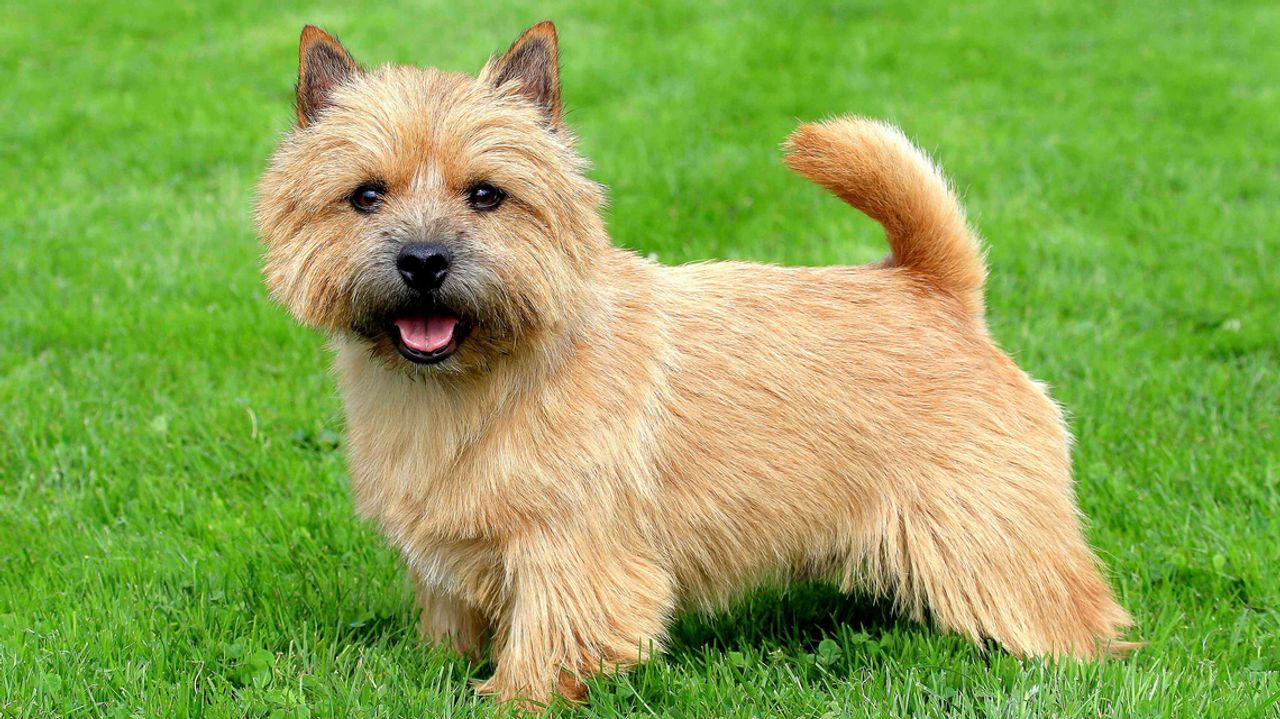
The Sinhala Hound is a medium-sized dog with a lean, athletic build. Males typically weigh between 15-20 kg and stand at 46-56 cm, while females weigh 13-18 kg and stand at 43-53 cm. Their short coat is most commonly found in brown or dark brown brindle colors, which is typical for sighthounds. This coloration is not only visually striking but also serves as a natural camouflage in their native Sri Lankan terrain.
The breed's alert expression and keen hunting instincts are evident in their physical appearance, with a body designed for speed and agility. Their short coat requires minimal grooming, making them a low-maintenance option for owners. This coat also contributes to their hypoallergenic nature, which is a desirable trait for many potential owners.
Temperament and Personality
The Sinhala Hound is known for its alert and independent nature, which is typical of sighthounds. They are loyal and intelligent, making them easy to train. However, their high energy levels and reserved demeanor may not be suitable for all households. Owners should be prepared for a dog that requires mental stimulation and physical exercise to stay happy and healthy.
These dogs are also known for their strong hunting instincts, which can lead to chasing small animals. This behavior should be carefully managed, especially in households with cats or small children. Their independent nature means they may be less dependent on their owners for companionship, but they do form strong bonds with their families.
Lifestyle and Compatibility
Given their high energy levels, the Sinhala Hound is best suited for active households. Their reserved nature means they may not be the best choice for families with young children, as they may not be as tolerant of rough play.
These dogs are independent and do well in homes with a secure yard where they can roam freely. They are also adaptable to various living situations, as long as they receive adequate exercise and attention. Their adaptability makes them suitable for both urban and rural settings, as long as their exercise needs are met.
Health and Care
The Sinhala Hound is generally a healthy breed, with an average lifespan of 12-15 years. However, like all breeds, they can be prone to certain health conditions. Common health issues include hip dysplasia, a genetic condition that can cause pain and mobility issues, and von Willebrand's disease, a bleeding disorder that can lead to excessive bleeding.
Due to their short coat, grooming requirements are minimal. Their hypoallergenic flag is set to 0, indicating that they may not be suitable for individuals with severe allergies. Their ears should be checked regularly for signs of infection, as they can be prone to ear problems.
Breeding and Registration
The Sinhala Hound is classified as a sighthound and pariah breed. Their breeder purpose is primarily for hunting and as a pariah dog, which refers to their ability to live in a semi-wild state. The Sri Lankan Kennel Club has recently recognized the breed, which has helped to promote its preservation and breeding. This recognition has also facilitated the establishment of standards for breeding practices and health screenings.
Breeding should be done responsibly, with a focus on maintaining the breed's health and temperament. Responsible breeders will conduct health screenings on their dogs to ensure they are free from hereditary conditions. This includes testing for hip dysplasia, elbow dysplasia, and von Willebrand's disease, among others. Breeding practices should also aim to preserve the breed's unique characteristics and natural instincts.
Buying a Sinhala Hound
- Check for health clearances, including hip and elbow dysplasia screening.
- Ask about the breeder's experience and the background of the dogs they breed.
- Visit the breeder's facility to ensure it is clean and well-maintained.
- Meet the parents of the puppy to assess their temperament and health.
- Ask for references from previous buyers.
A well-bred Sinhala Hound can be a loyal and rewarding companion for many years.
Frequently Asked Questions
What is the lifespan of the Sinhala Hound?
The average lifespan of the Sinhala Hound is about 12-15 years. Good nutrition and regular veterinary care support a healthy life.
What is the temperament of the Sinhala Hound?
The Sinhala Hound is known for: Alert, Independent, Loyal, Intelligent, Energetic. Its energy level is high.
What size and weight is the Sinhala Hound?
It is a large dog, typically around Male: 15-20; Female: 13-18 kg as an adult.
Is the Sinhala Hound easy to care for?
Reliable grooming and shedding ratings are not available. Routine brushing, ear and dental care, and nail trims are still recommended.
Is the Sinhala Hound good with kids and other pets?
Reliable child- and pet-friendliness ratings are not available. Supervised, gradual introductions are recommended.
How much exercise does the Sinhala Hound need?
With a high energy level, it needs walks, play or training matched to its stamina.
Sinhala Hound
Trait Scores
N/A