Origin and History
The Shetland Sheepdog, affectionately known as the Sheltie, has its roots in the Shetland Islands of Scotland. This breed was formally recognized by the Kennel Club in 1909, originally named the Shetland Collie. The name was changed to avoid controversy with Rough Collie breeders, a decision that reflects the historical and sometimes contentious relationship between different dog breeds. The Sheltie is a descendant of small Scottish Collie and King Charles Spaniel specimens, with origins tracing back to Spitz-type dogs and the Yakki, an Icelandic dog that accompanied whalers from Greenland.
The breed was not simply a miniature Rough Collie but was influenced by the Spitz-type dogs and Collies from mainland Britain. James Loggie's addition of a small Rough Collie to the breeding stock in the early 20th century helped establish the modern Sheltie. This crossbreeding was a pivotal moment in the breed's development, shaping its distinct characteristics.
Shetlands were initially used for herding but were replaced by larger breeds as commercial livestock farming evolved. The breed's name change from Shetland Collie to Shetland Sheepdog occurred in the early 20th century, and the first English Shetland champion's dam, Gesta, was a Rough Collie. This transition reflects the breed's evolving role and recognition within the dog community.
Appearance
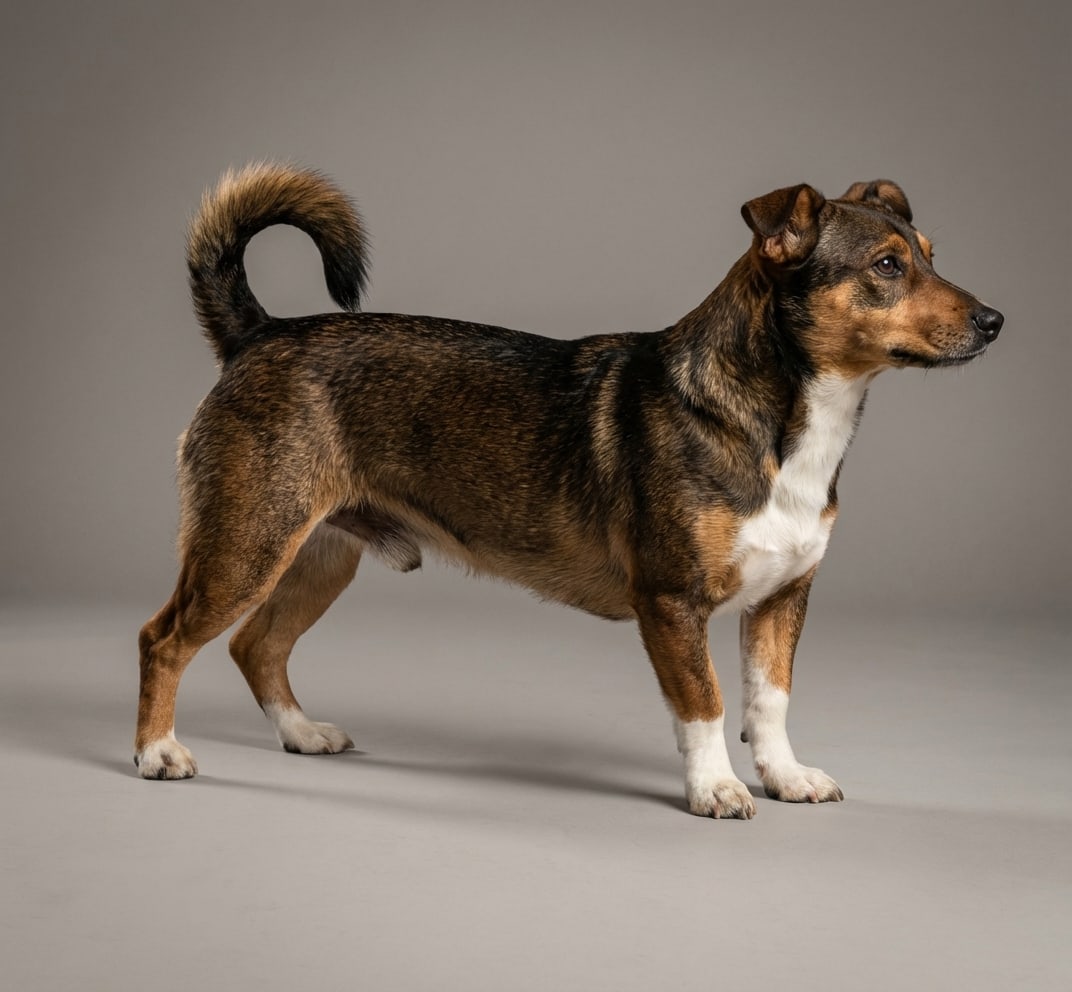
The Shetland Sheepdog has a general appearance resembling a miniature Rough Collie. They are small dogs with a dense double coat, a well-shaped head, and a long coat that becomes short around the face, giving a mane-like appearance. The ideal height at the withers is 14.5 inches for dogs and 14 inches for bitches, with variations of more than 1 inch considered undesirable.
The Sheltie's ears are small, of moderate width at the base, placed close on top of the head, and semi-erect when alert. Their eyes are medium-sized, almond-shaped, and dark brown, except in merle coats where one or both eyes may be blue. The head is refined without exaggerations, with a long wedge tapering from the ears to the nose and a well-rounded muzzle. These physical features contribute to the breed's distinctive and appealing appearance.
The Sheltie's coat is double-layered, with a harsh-textured, straight outer coat and a soft, short undercoat. The coat should produce the appearance of a mane, and the face is smooth-haired. The breed comes in various colors, including sable, tricolor, blue merle, black and white, and black and tan. This variety in color and coat type adds to the Sheltie's charm and appeal.
Temperament and Intelligence
The Shetland Sheepdog is known for its intelligent, loyal, alert, playful, and gentle nature. They are eager to please and make excellent family pets. A study by Stanley Coren in 1995 ranked the Sheltie as one of the brightest dogs, understanding a new command in fewer than five repetitions and obeying a command the first time given at or above 95% of the time. This intelligence and trainability are highly valued in dog sports and activities.
This intelligence and trainability make the Sheltie a dominant breed in dog agility, obedience, showmanship, flyball, tracking, and herding. Their herding instincts and trainability can be measured at noncompetitive herding tests, and they can be trained to compete in herding trials. This versatility and adaptability are hallmarks of the Sheltie's temperament and working ability.
Health Considerations
While the Shetland Sheepdog is a hardy breed, they are predisposed to certain health conditions. They may suffer from allergic skin disease, cutaneous drug eruptions, cutaneous histiocytosis, cutaneous or systemic lupus, dermatomyositis, and Sertoli cell tumour. These conditions can affect the Sheltie's quality of life and require vigilant care and management.
Shetlands may also have hip dysplasia, with a North American study finding the fifth-lowest prevalence among sixty breeds. This condition can lead to pain and mobility issues for affected dogs. They are affected by both type I and type III Von Willebrand disease, an inherited bleeding disorder that can have serious consequences if not managed properly. Collie eye anomaly, an autosomal recessive trait, can also affect the breed, potentially leading to vision problems.
A mutation in the MDR1 gene causes sensitivity to certain drugs, such as ivermectin, which can lead to adverse reactions. This sensitivity is a critical consideration for Sheltie owners, as it requires careful medication management. Ulcerative dermatosis of Shetland sheepdog and rough collie (UDSSC) is another condition that affects this breed, causing skin irritation and discomfort. A UK study found a significant predisposition to gall bladder mucocele, with the Sheltie being 93.87 times more likely to acquire the condition than other dogs. This condition can lead to abdominal pain and require veterinary intervention.
Breeding and Standards
The Shetland Sheepdog was developed through selective breeding, not simply by miniaturizing the Rough Collie. The original sheepdog of Shetland was a Spitz-type dog, crossed with Collies from mainland Britain. The breed's standard called for dogs to be no taller than 15 inches, leading to the addition of collie blood to achieve the desired type. This standardization was essential for defining the breed's physical characteristics and ensuring consistency across generations.
The Kennel Club initially refused to recognize the breed but later agreed to on the condition that the name was changed from Shetland Collie. The first English Shetland champion's dam, Gesta, was a Rough Collie, and the first Shetland registered by the American Kennel Club was "Lord Scott" in 1911. These historical figures and events are significant milestones in the breed's recognition and development.
Working Life and Activities
The Shetland Sheepdog was originally bred for herding and still excels in this role. They participate in sheepdog trials and are dominant in dog agility, obedience, showmanship, flyball, tracking, and herding. Their herding instincts and trainability make them suitable for noncompetitive herding tests and herding trials. This working heritage is a fundamental aspect of the Sheltie's character and abilities.
Shetlands have been used in various working roles, from herding to being family pets. They have also been featured in popular culture, with Ch Halstor's Peter Pumpkin ROM being the Shetland sheepdog sire with the most Champions (160), and Badenock Rose being the first Shetland sheepdog registered with the English Kennel Club. Mickey, the main character of the Canadian children's series Mickey's Farm, is also a Shetland Sheepdog. These cultural references highlight the breed's popularity and versatility.
Care and Maintenance
Their ears should be checked and cleaned regularly to prevent infections, and their teeth should be brushed to maintain oral health. Exercise is also essential for these active dogs, with daily walks and playtime to keep them physically and mentally stimulated.
Training should begin early and be consistent, as Shelties are intelligent and respond well to positive reinforcement.
Buying a Shetland Sheepdog
Health clearances may include genetic testing for conditions like hip dysplasia and Collie eye anomaly. A well-socialized puppy will be more adaptable and easier to train. It is also advisable to meet the puppy's parents to assess their temperament and health.
Frequently Asked Questions
What is the lifespan of the Shetland Sheepdog?
The average lifespan of the Shetland Sheepdog is about 12-14 years. Good nutrition and regular veterinary care support a healthy life.
What is the temperament of the Shetland Sheepdog?
The Shetland Sheepdog is known for: Intelligent, Loyal, Alert, Playful, Gentle, Eager to Please. Its energy level is high.
What size and weight is the Shetland Sheepdog?
It is a medium-sized dog, typically around 7-11 kg as an adult.
Is the Shetland Sheepdog easy to care for?
Reliable grooming and shedding ratings are not available. Routine brushing, ear and dental care, and nail trims are still recommended.
Is the Shetland Sheepdog good with kids and other pets?
Reliable child- and pet-friendliness ratings are not available. Supervised, gradual introductions are recommended.
How much exercise does the Shetland Sheepdog need?
With a high energy level, it needs walks, play or training matched to its stamina.
Shetland Sheepdog
Trait Scores
N/A