Origin and Historical Background
The Serbian Hound, known as the Srpski Gonič in Serbia, has its origins deeply rooted in the country's rich hunting tradition. This breed, previously known as the Balkan Hound, is a product of centuries of selective breeding to meet the hunting requirements of the region. Its ancestry is a blend of hound breeds traded around the Mediterranean, with contributions from European and North African dogs.
Originating from Serbia, the breed has been traditionally used as a pack hound, specializing in hunting wild boar, deer, fox, and hare. The breed's name was officially changed to the Serbian Hound by the Fédération Cynologique Internationale in 1996, reflecting its national identity and heritage. The breed's development was closely tied to the needs of Serbian hunters, who sought a dog with exceptional scenting abilities and a strong work ethic.
Historically, the Serbian Hound was recognized by the Serbian Canine Club in 1938, marking the first formal recognition of the breed. This recognition was followed by the breed's inclusion in the stud book of the Serbian Canine Club in 1958, further solidifying its status within the country's canine heritage.
Physical Description
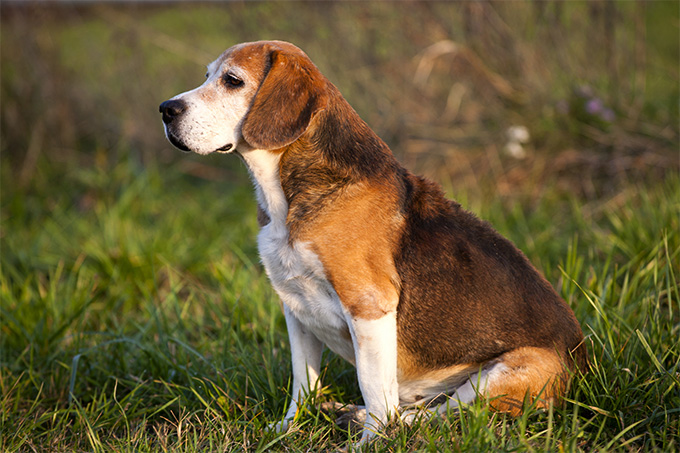
The Serbian Hound is a medium-sized hound breed, with males standing between 46 and 56 centimeters (18 and 22 inches) and females slightly smaller, at 44 to 54 centimeters (17 to 21 inches). Males typically weigh around 20 kilograms (44 pounds), while females weigh approximately 18 to 22 kilograms (40 to 49 pounds).
Characterized by a short, dense coat, the Serbian Hound's distinctive reddish tan color, often described as "fox colored," is complemented by a large black saddle and black markings above the eyes. These markings are a result of selective breeding for visual distinction during hunting. They possess a broad skull that narrows evenly to the nose, medium-length, hanging ears, and a body that is slightly longer than they are tall. Their broad, straight back and straight or slightly curved tail complete the breed's robust and athletic appearance, essential for their hunting roles.
The breed's coat is short enough to require minimal grooming, but it does shed seasonally, which may necessitate regular brushing to manage the loose fur and reduce shedding in the home.
Temperament and Behavior
The Serbian Hound is known for its well-disciplined, energetic, tenacious, and lively nature. This breed is both a tracker and a hunter, capable of both locating and capturing game. When hunting, they are known for their distinctive high-pitched voice, which aids in the pursuit of their quarry. This vocalization is a crucial aspect of their hunting behavior, allowing hunters to track them effectively.
With a great stamina and ability to navigate difficult terrain, the Serbian Hound is highly valued for its hunting capabilities. Their pack hunting instincts are strong, making them ideal for working in groups with other hounds.
Despite their hunting instincts, Serbian Hounds can be affectionate companions when not in the field. They enjoy human interaction and can form strong bonds with their owners, making them suitable pets for individuals or families who appreciate their loyalty and enthusiasm.
Health and Genetic Considerations
Specific conditions that may affect this breed include hip dysplasia, which can cause pain and mobility issues, and elbow dysplasia, which can lead to joint problems.
Owners should be vigilant for signs of discomfort or lameness, which could indicate these conditions. Early detection and intervention can help manage these issues and improve the dog's quality of life.
Lifestyle and Care Requirements
Due to their short coat, grooming needs are relatively low.
Exercise requirements are high for the Serbian Hound. They need daily physical activity to maintain their health and well-being. This could include long walks, runs, or play sessions. Without adequate exercise, they may become restless or destructive.
Training should begin early and be consistent. The breed is intelligent and responds well to positive reinforcement, but their strong-willed nature can sometimes make training challenging. Patience and persistence are key to successful training.
Compatibility and Household Suitability
The Serbian Hound is generally not recommended for families with young children due to their high energy levels and strong prey drive. They may be too exuberant and boisterous for very young children, and their hunting instincts could pose a risk to smaller pets.
This breed is best suited for active individuals or families who can provide them with ample space to roam and engage in physical activities. They do well in homes with secure outdoor areas where they can exercise and explore. A yard or access to a park can provide them with the mental and physical stimulation they need.
Buying a Serbian Hound: What to Consider
Reputable breeders will have a good understanding of the breed's characteristics, health concerns, and care requirements.
Inquire about the puppy's parents' health and temperament. Responsible breeders will provide health clearances and may offer a health guarantee. It is also beneficial to ask about the breeding philosophy and whether the breeder participates in health testing to reduce the risk of genetic disorders.
Be prepared for the cost of owning a Serbian Hound, which includes not only the initial purchase price but also ongoing expenses such as food, veterinary care, and grooming.
Frequently Asked Questions
What is the lifespan of the Serbian Hound?
The average lifespan of the Serbian Hound is about 12-14 years. Good nutrition and regular veterinary care support a healthy life.
What is the temperament of the Serbian Hound?
The Serbian Hound is known for: Energetic, Loyal, Intelligent, Courageous, Devoted, Tenacious. Its energy level is high.
What size and weight is the Serbian Hound?
It is a large dog, typically around Male: 20-25; Female: 18-22 kg as an adult.
Is the Serbian Hound easy to care for?
Reliable grooming and shedding ratings are not available. Routine brushing, ear and dental care, and nail trims are still recommended.
Is the Serbian Hound good with kids and other pets?
Reliable child- and pet-friendliness ratings are not available. Supervised, gradual introductions are recommended.
How much exercise does the Serbian Hound need?
With a high energy level, it needs walks, play or training matched to its stamina.
Serbian Hound
Trait Scores
N/A