Origin and History
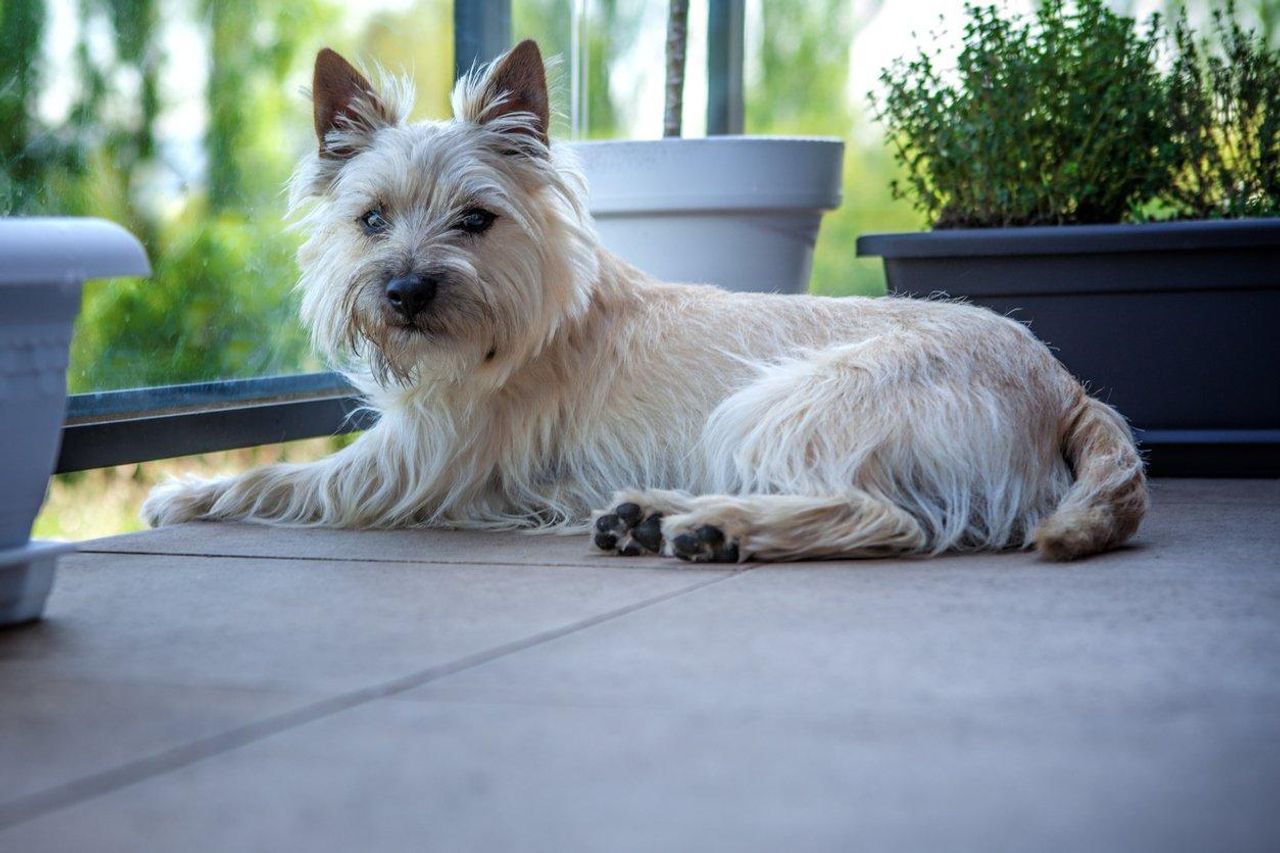
The Scottish Terrier, also known as the Aberdeen Terrier, is a breed that originated in Scotland. Initially grouped under the name Skye Terrier, it is one of five breeds that originated in Scotland, the others being the Skye, Cairn, Dandie Dinmont, and West Highland White terriers.
The breed's first recorded mention dates back to 1436 in Don Leslie's book, "The History of Scotland 1436–1561. " The breed became popular due to King James VI of Scotland, who sent six terriers as a gift to a French monarch and had a deep affection for the breed.
By the 19th century, the breed was known as the Highland, the Cairn, Diehard, and most commonly, the Aberdeen Terrier. The Scottie's foundation in dog shows began in the late 1870s, with the breed standard being established in 1880 by J. B. Morrison and D. J. Thomson Gray.
The Scottish Terrier Club of England was founded in 1881, and the Scottish Terrier Club of Scotland followed in 1888. By the early 1890s, the breed was introduced to America, and it gained popularity during the years between World War I and World War II. The Scottish Terrier Club of America was formed in 1900, and the breed was recognized by the United Kennel Club in 1934.
Breed Characteristics
The Scottish Terrier is a small, compact, and sturdy terrier, with a distinctive wiry coat, erect ears, beard, and eyebrows, exuding a dignified and confident presence. Males weigh between 8.5-10 kg (19-22 lb), while females range from 8-9.5 kg (18-21 lb). Their height at the withers is roughly 25 cm (9.8 in) for both genders.
Their hard, wiry outer coat blends with a soft, dense undercoat, providing weather resistance. The coat colors range from dark gray to jet black and brindle, and sometimes wheaten. The beard, legs, and lower body may have a slightly softer coat but should not appear fluffy.
The Scottish Terrier is known for its alertness, intelligence, and loyalty. They are independent, confident, and playful, often referred to as 'Diehards' due to their rugged nature and determination. They can be territorial and may bark at necessary, but are generally reserved with strangers.
Temperament and Behavior
Scotties are territorial and feisty, making them good watchdogs. They are known to be independent and self-assured, with a playful and intelligent nature. The breed has been nicknamed the 'Diehard' because of its bravery and determination.
While described as very loving, they can also be stubborn. They are sometimes considered aloof, although they tend to be very loyal to their family and attach themselves to one or two people.
Scotties were originally bred to hunt and kill vermin on farms, so they may have a tendency to dig and chase small mammals. Keeping cats, rabbits, ferrets, and other small domesticated animals in the home with a Scottish terrier is not advisable due to their hunting instincts.
Health Considerations
Scottish Terriers can be more prone to certain health issues, including bleeding disorders, joint disorders, autoimmune diseases, allergies, and cancer. They may also be affected by conditions such as Scotty cramp, von Willebrand disease (vWD), craniomandibular osteopathy (CMO), and patellar luxation.
Research has shown that Scotties are 20 times more likely to get bladder cancer than other breeds. The most common kind of bladder cancer in Scotties is transitional cell carcinoma of the bladder (TCC). Symptoms of TCC include blood in the urine, straining to urinate, and frequent urination.
Scottie cramp is an autosomal recessive hereditary disorder that inhibits the dog's ability to urinate properly. It can cause discomfort and cramping in the lower back and legs, particularly after exercise.
Breed Standard and Development
The Scottish Terrier Club of America's Breed Standard describes the breed as a small, compact, short-legged, sturdily-built terrier of good bone and substance. Their eyes should be small, bright, and piercing, and almond-shaped, not round. The ears should be small, prick, set well up on the skull, and pointed, never cut.
The standard also describes the breed's color range from black, greyish-black, and white, with the ears covered in short, velvety hair. The coat should be trimmed and blended into the furnishings to give a distinct Scottish Terrier outline, avoiding a fluffy appearance.
The first written standard of the breed was drafted in 1880, and it was influential in setting both breed type and name. The standard has been revised over the years, with the most recent significant revision occurring in 1930, which led to a complete transformation of the breed's appearance.
Celebrity and Pop Culture
The Scottish Terrier has played a role in popular culture and been owned by many celebrities. Franklin D. Roosevelt owned a Scottie named Fala, who is included in a statue of FDR in Washington, D. C. George W. Bush also had Scottish Terriers as pets.
The breed is well-known for being a playing piece in the board game Monopoly. It has also been featured in various television shows, movies, and advertisements, further enhancing its popularity and recognition.
The Scottish Terrier has been a successful breed at dog shows, with more than nine best in show wins at the Westminster Kennel Club Dog Show, including victories in 1911, 1995, and 2010.
Health Trust Fund and Research
The Scottish Terrier Club of America founded its Health Trust Fund (HTF) in 1995 to support research on health issues in the breed. The HTF is committed to improving the health and well-being of Scottish Terriers by funding studies and providing resources to breeders and owners.
The fund supports research on a variety of health issues, including genetic diseases, cancer, and other conditions that may affect the breed. The goal is to find effective treatments and preventions, ultimately leading to a healthier population of Scottish Terriers.
Buying and Owning a Scottish Terrier
- Ensure that the Scottish Terrier fits your lifestyle.
- Avoid buying from puppy mills or unverified sources.
- Be prepared for the potential health issues associated with the breed, and be willing to provide proper veterinary care.
- Consider the long-term commitment of owning a Scottish Terrier, as they can live between 12 to 15 years.
- Be ready to invest time and effort in training and socializing your Scottish Terrier to ensure they are well-rounded and well-behaved pets.
Frequently Asked Questions
What is the lifespan of the Scottish Terrier?
The average lifespan of the Scottish Terrier is about 12-15 years. Good nutrition and regular veterinary care support a healthy life.
What is the temperament of the Scottish Terrier?
The Scottish Terrier is known for: Confident, Independent, Alert, Intelligent, Loyal. Its energy level is moderate.
What size and weight is the Scottish Terrier?
It is a medium-sized dog, typically around Male: 8.5-10; Female: 8-9.5 kg as an adult.
Is the Scottish Terrier easy to care for?
Reliable grooming and shedding ratings are not available. Routine brushing, ear and dental care, and nail trims are still recommended.
Is the Scottish Terrier good with kids and other pets?
Reliable child- and pet-friendliness ratings are not available. Supervised, gradual introductions are recommended.
How much exercise does the Scottish Terrier need?
With a moderate energy level, it needs walks, play or training matched to its stamina.
Scottish Terrier
Trait Scores
N/A