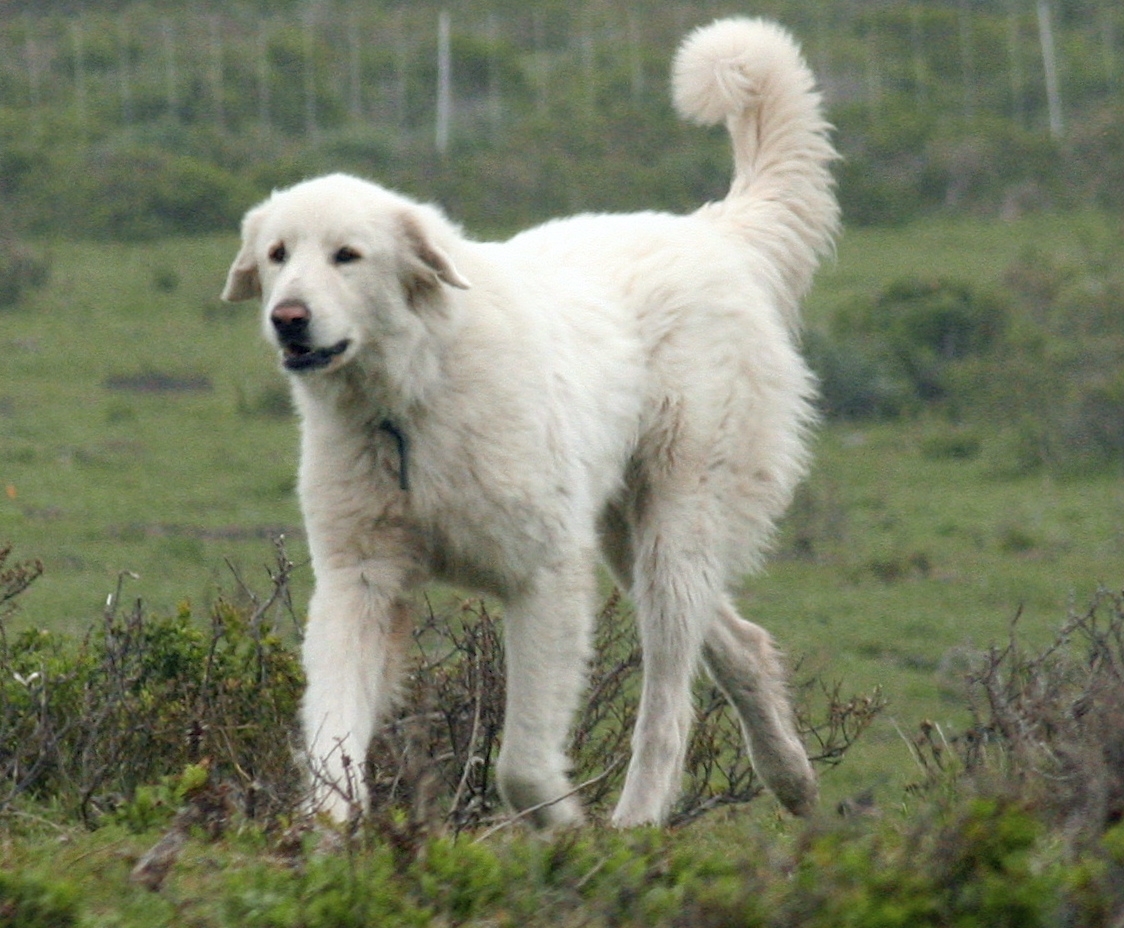
Origin and Historical Background
The Scottish Deerhound, often referred to as the 'Royal Dog of Scotland,' has its origins deeply rooted in the Scottish Highlands. Bred for coursing giant red deer, this large, athletic sighthound has a history that dates back to the 1200s, as indicated by the Hilton of Cadboll Stone, which depicts dogs chasing deer. The breed was believed to be descended from old Gaelic hounds, closely related to the Irish Wolfhound, and was a major foundation breed for the modern Irish Wolfhound in the late 19th century.
The Deerhound was predominantly used for hunting until the end of the 19th century, when the rise of modern rifles and smaller deer-forests led to a preference for slower tracking dogs. However, the breed maintained its status as a sporting animal for landowners and the nobility, as well as being bred and hunted by common folk when feasible. It was during this time that the Deerhound became a show breed.
Notable historical references include Anne of Denmark, queen consort of James VI and I, who sent deer hounds as gifts to her brother Christian IV of Denmark, and the use of Deerhounds in North America for hunting wolves and coyotes, as noted by Dr. Q van Hummell. The breed's adaptability and strength were recognized by early settlers, who brought them to the United States.
Breed Characteristics
The Scottish Deerhound is a large sighthound, larger and more heavily boned than its Greyhound counterpart. Despite not being as fast on smooth surfaces, Deerhounds excel in rough terrain, where they can outrun a Greyhound. This is attributed to their larger, rough-coated appearance, which is ideal for the cool, wet, and hilly Scottish Highland glens where they were traditionally used.
Adult males typically stand at 76-81 cm and weigh between 39-50 kg, while females are slightly smaller, with a height of 71-76 cm and a weight of 34-43 kg. Their coat is harsh and wiry, found in shades of grey, with blue-grey being the preferred color. Historically, Deerhounds could also be seen in brindle, yellow, and red fawn coats, but these colors are now rare due to selective breeding for a grey coat. The American Kennel Club (AKC) recognizes the Deerhound in the Hound Group.
They have a long, flat skull with a tapering muzzle and dark, brown or hazel eyes. The teeth should form a level, complete scissor bite, and the tail is long, straight or curved, and well-covered with hair, reaching almost to the ground. The Deerhound's distinctive features contribute to its regal appearance and make it a popular choice for show dogs.
Temperament and Behavior
The Scottish Deerhound is known for its gentle, dignified, calm, loyal, and friendly temperament. Despite their large size and historical role as hunting dogs, they are generally docile and make excellent family pets. Their low energy level makes them suitable for households with a more relaxed lifestyle.
Due to their friendly nature, they can be good with children, although supervision is always recommended. They are also friendly towards other dogs and can adapt well to a variety of living situations, as long as they receive adequate exercise and attention. This adaptability has made them popular in urban settings as well as rural areas.
Health Considerations
A 2024 UK study found that the Scottish Deerhound has an average life expectancy of 10.5 years, which is slightly lower than the average for purebreds (12.7 years) and crossbreeds (12 years). The most common cause of death in the breed is cardiac-related, accounting for nearly a quarter of all deaths, followed by cancer at 18%.
Dilated cardiomyopathy is a condition that has a higher prevalence in Scottish Deerhounds, with one American study reporting that 6% of the breed had the condition, the highest of any breed. This condition affects the heart's ability to pump blood effectively and can be life-threatening if not detected early.
Other health considerations may include potential hip and elbow dysplasia, as well as skin issues due to their wiry coat, which can lead to matting and irritation if not properly maintained.
Care and Maintenance
Their diet should be balanced and nutritious, with access to fresh water at all times.
Daily walks and playtime will keep them healthy and happy. They are not suited for extreme temperatures and should be protected from the heat and cold.
Socialization is also important, particularly during puppyhood, to ensure they grow into well-rounded and well-behaved dogs. Exposing them to various people, dogs, and environments helps them develop into confident and sociable adults.
Coat and Grooming
Their coat sheds seasonally, so owners should be prepared for increased shedding during these times.
Notable Scottish Deerhounds
Throughout history, several notable Scottish Deerhounds have captured the hearts of owners and admirers. 'Dusk,' one of a couple gifted to the Danish writer Karen Blixen, was frequently referenced in her work and represented in the feature film 'Out of Africa. ' The connection between Blixen and her Deerhound has become a part of the breed's cultural heritage.
Sir Walter Scott's dog, Maida, is another well-known example, as is 'Tuck,' the Deerhound of General George Custer, who was killed at Little Bighorn. These dogs have become symbols of the breed's loyalty and bravery, contributing to the Deerhound's legendary status.
Buying a Scottish Deerhound
- Ensure you have a secure, spacious area for your Deerhound to exercise and explore. They require ample room to run and play.
- Be prepared for the cost of grooming, including regular brushing and professional grooming services if needed.
- Be financially prepared for potential veterinary care, especially for cardiac and cancer-related issues.
- Ensure you have the time and energy to provide adequate exercise and attention to your Deerhound.
- Consider the breed's history and characteristics to ensure it fits well with your lifestyle and household. The Deerhound's gentle nature and low energy level make them suitable for many living situations.
Frequently Asked Questions
What is the lifespan of the Scottish Deerhound?
The average lifespan of the Scottish Deerhound is about 8-11 years. Good nutrition and regular veterinary care support a healthy life.
What is the temperament of the Scottish Deerhound?
The Scottish Deerhound is known for: Gentle, Dignified, Calm, Loyal, Friendly. Its energy level is low.
What size and weight is the Scottish Deerhound?
It is a large dog, typically around Male: 39-50; Female: 34-43 kg as an adult.
Is the Scottish Deerhound easy to care for?
Reliable grooming and shedding ratings are not available. Routine brushing, ear and dental care, and nail trims are still recommended.
Is the Scottish Deerhound good with kids and other pets?
Reliable child- and pet-friendliness ratings are not available. Supervised, gradual introductions are recommended.
How much exercise does the Scottish Deerhound need?
With a low energy level, it needs walks, play or training matched to its stamina.
Scottish Deerhound
Trait Scores
N/A