Origin and Development of the Scoodle
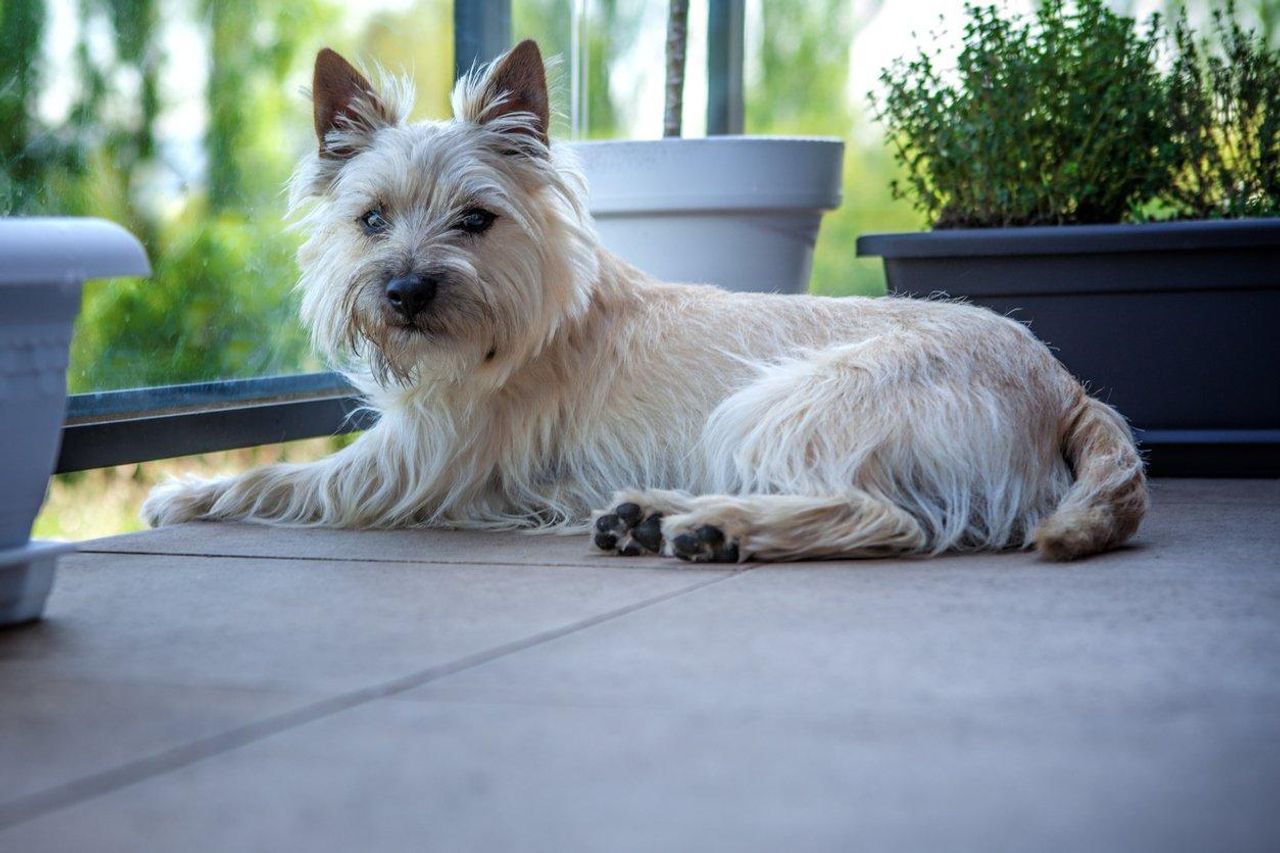
The Scoodle, a small to medium-sized crossbreed, originated in the United States, combining the Scottish Terrier's bold and confident temperament with the Poodle's intelligence and low-shedding coat. This unique blend gives the Scoodle a sturdy build, a wiry or curly coat, and a lively expression.
The Scottish Terrier, one of the five breeds of terriers that originated in Scotland, has a history that dates back to the 16th century. They were initially grouped under the name Skye Terriers and were bred to hunt vermin on farms and badgers and foxes in the Highlands of Scotland. Their independent and rugged nature, along with their wiry outer coat and soft dense undercoat, earned them the nickname "the diehard" from the first Earl of Dumbarton. The breed was recognized by the American Kennel Club (AKC) in 1885.
The Poodle, on the other hand, is believed to have originated in Germany or France, depending on the source. They were originally used by wildfowl hunters to retrieve game from water and as circus performers. The Poodle's intelligence and obedience made them highly trainable and adaptable to various roles. The Poodle was first recognized by the AKC in 1887, and it has since become one of the most popular dog breeds in the United States.
Temperament and Personality
The Scoodle inherits the Scottish Terrier's bold, confident temperament and the Poodle's intelligence, making them a spirited and lively breed. They are known for being alert, playful, and loyal to their family. Scottish Terriers are described as territorial and feisty, which is likely reflected in the Scoodle's temperament. They can make good watchdogs and tend to be very loyal, which is a trait shared with both parent breeds.
Scottish Terriers have a reputation for being independent and stubborn, which can sometimes make training challenging. However, their intelligence and desire to please make them highly trainable. Poodles are known for their intelligence and eagerness to learn, making them one of the most intelligent dog breeds. This intelligence is a significant factor in the Scoodle's temperament and behavior.
Physical Characteristics
The Scoodle has a medium-sized, sturdy build with a wiry or curly coat. The Scoodle's lively expression and alert posture are characteristic of both the Scottish Terrier and the Poodle. The Scottish Terrier's distinctive shape and their wiry outer coat, along with their soft dense undercoat, contribute to their unique appearance. The Poodle's thick, curly coat, which comes in many colors and patterns, also adds to the Scoodle's charm.
The Scottish Terrier's coat is typically black, brindle, or grizzle with a white tip, and it requires regular stripping to prevent mats and tangles. The Poodle's coat is also prone to matting if not properly groomed, and it may require regular clipping to maintain its desired look. The Scoodle's coat can be a mix of these characteristics, depending on the dominant genes from each parent breed.
Health Considerations
Scottish Terriers can be more susceptible to bleeding disorders, joint disorders, autoimmune diseases, allergies, and cancer. Owners should be aware of these potential health concerns and monitor their Scoodle's well-being accordingly. Scottish Terriers are known to have a higher risk of von Willebrand's disease, a bleeding disorder, and craniomandibular osteopathy, a condition affecting the jaw.
Poodles are known for their intelligence and obedience, but they can also be prone to hip dysplasia and other joint-related issues. Poodles are also susceptible to skin allergies and can develop sebaceous adenitis, an inflammatory skin condition.
Lifespan and Size
The Scoodle has an average lifespan of 12-15 years, which is similar to both the Scottish Terrier and the Poodle. Males typically weigh between 5-10 kg, while females weigh between 4.5-9 kg. Their height ranges from 25-38 cm, making them a medium-sized breed. The Scottish Terrier is a small breed of terrier with a distinctive shape, and they have been known to weigh between 4.5-6.8 kg. Poodles, on the other hand, come in four varieties based on size, but the Miniature Poodle is the closest in size to the Scoodle, weighing between 3.2-5.4 kg.
The Scottish Terrier's lifespan is generally around 12-15 years, with some individuals living into their late teens. Poodles, particularly the Miniature variety, have a similar lifespan, with some living up to 18 years. The Scoodle's lifespan is influenced by the health and longevity of both parent breeds.
Adaptability and Grooming
They are generally good with children and other pets if properly socialized.
This may include daily brushing for dogs with a wiry coat and weekly brushing for those with a curly coat. They may also require regular baths and trimming to maintain a clean and healthy coat.
Compatibility and Socialization
Exposure to different people, animals, and environments during puppyhood can help Scoodles develop good social skills. Scottish Terriers are known for their loyalty and protective nature, which is likely reflected in the Scoodle's temperament. They tend to form strong bonds with their family and may become wary of strangers, especially if not properly socialized.
Scottish Terriers are known for their independent nature, which can sometimes make them challenging to train. However, their intelligence and desire to please make them highly trainable. Poodles are known for their eagerness to learn and their ability to perform complex tasks. The Scoodle inherits these traits, making them intelligent and trainable dogs.
Buying a Scoodle: What to Consider
- Check the breeder's reputation and ask for health clearances and certifications for both parent breeds. The Scottish Terrier may require certifications for hip dysplasia, elbow dysplasia, and eye disorders, while the Poodle may require clearances for hip dysplasia, eye disorders, and von Willebrand's disease.
- Ensure the puppy is well-socialized and has received proper veterinary care. A healthy Scoodle should have received vaccinations, deworming, and been examined by a veterinarian.
- Consider the Scoodle's high energy level and grooming requirements to ensure you can meet their needs.
- Be prepared for the Scoodle's intelligence and need for mental stimulation. They can become bored or destructive if not challenged and engaged in activities that stimulate their mind.
Frequently Asked Questions
What is the lifespan of the Scoodle?
The average lifespan of the Scoodle is about 12-15 years. Good nutrition and regular veterinary care support a healthy life.
What is the temperament of the Scoodle?
The Scoodle is known for: Intelligent, Confident, Alert, Playful, Loyal. Its energy level is high.
What size and weight is the Scoodle?
It is a medium-sized dog, typically around Male: 5-10; Female: 4.5-9 kg as an adult.
Is the Scoodle easy to care for?
Reliable grooming and shedding ratings are not available. Routine brushing, ear and dental care, and nail trims are still recommended.
Is the Scoodle good with kids and other pets?
Reliable child- and pet-friendliness ratings are not available. Supervised, gradual introductions are recommended.
How much exercise does the Scoodle need?
With a high energy level, it needs walks, play or training matched to its stamina.
Scoodle
Trait Scores
N/A