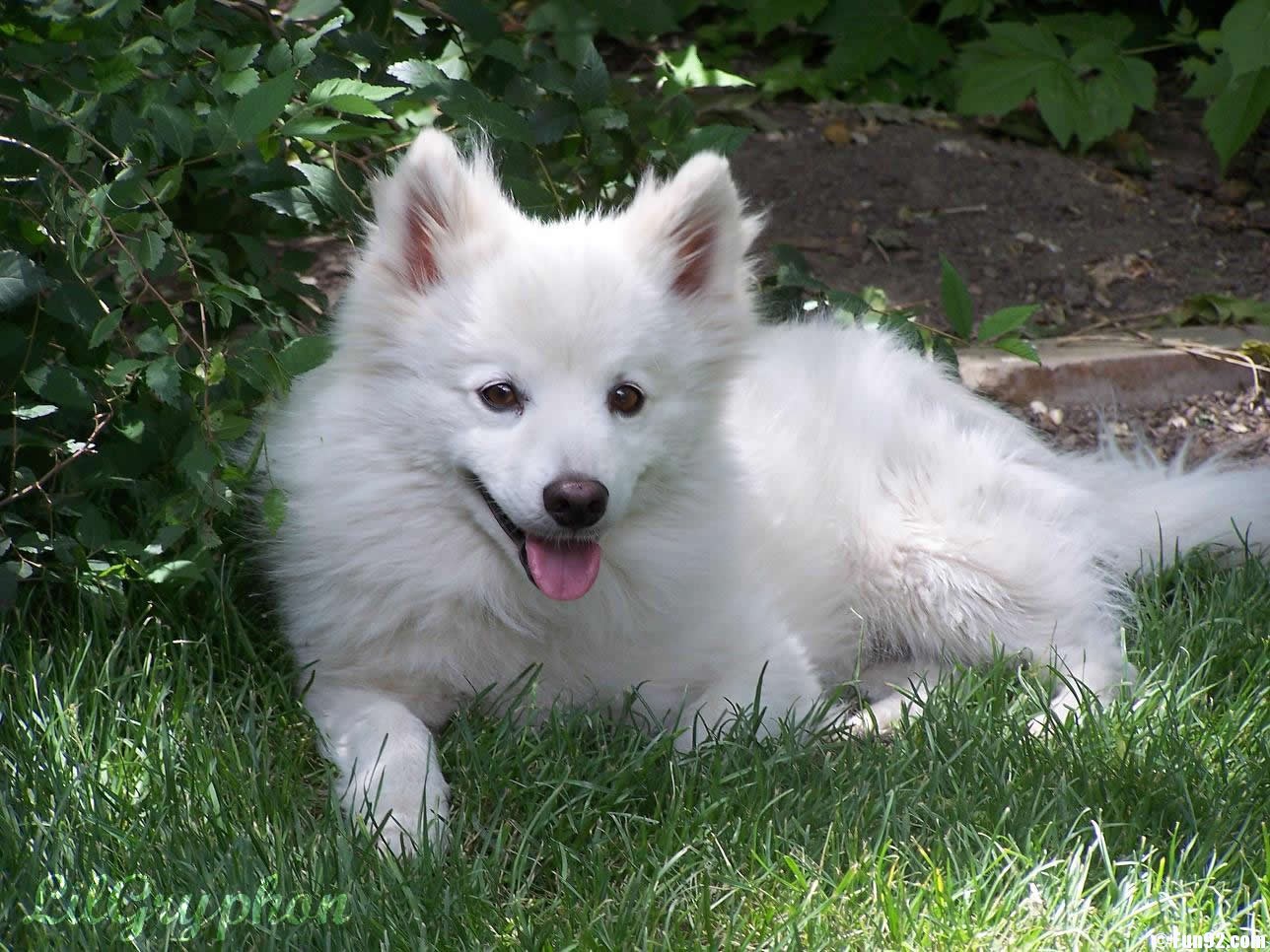
Origin and Breeder Purpose
The Schnoodle, a delightful crossbreed, originated in the United States in the 1990s. This breed was purposefully created by breeders who sought to combine the Poodle and Schnauzer's traits, aiming to produce a mixed breed companion dog that would be well-suited for various lifestyles. This breed, which is a result of controlled breeding between the Poodle and Schnauzer, is cherished for its charming personality and low-shedding coat, which appeals to many individuals looking for a hypoallergenic pet option.
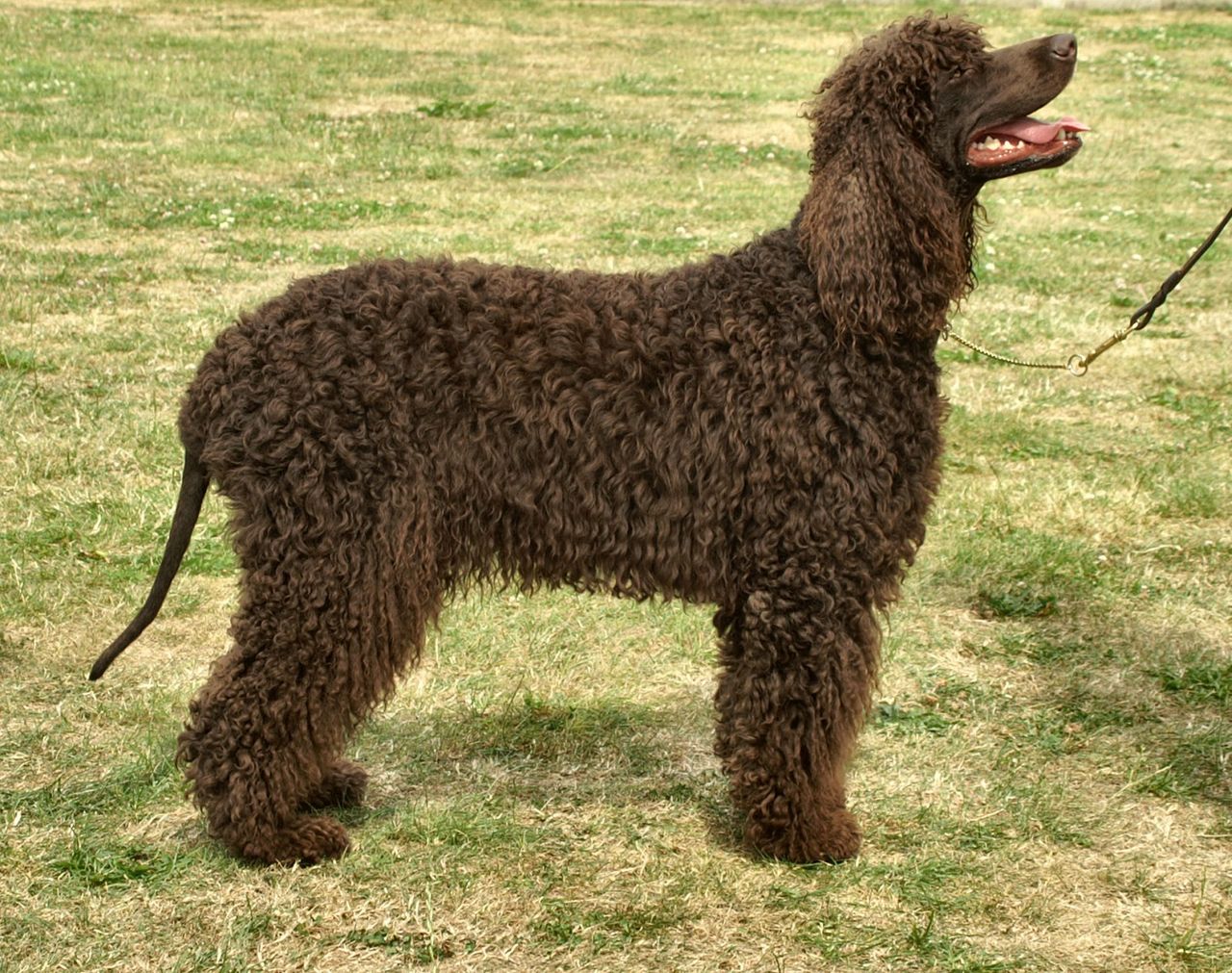
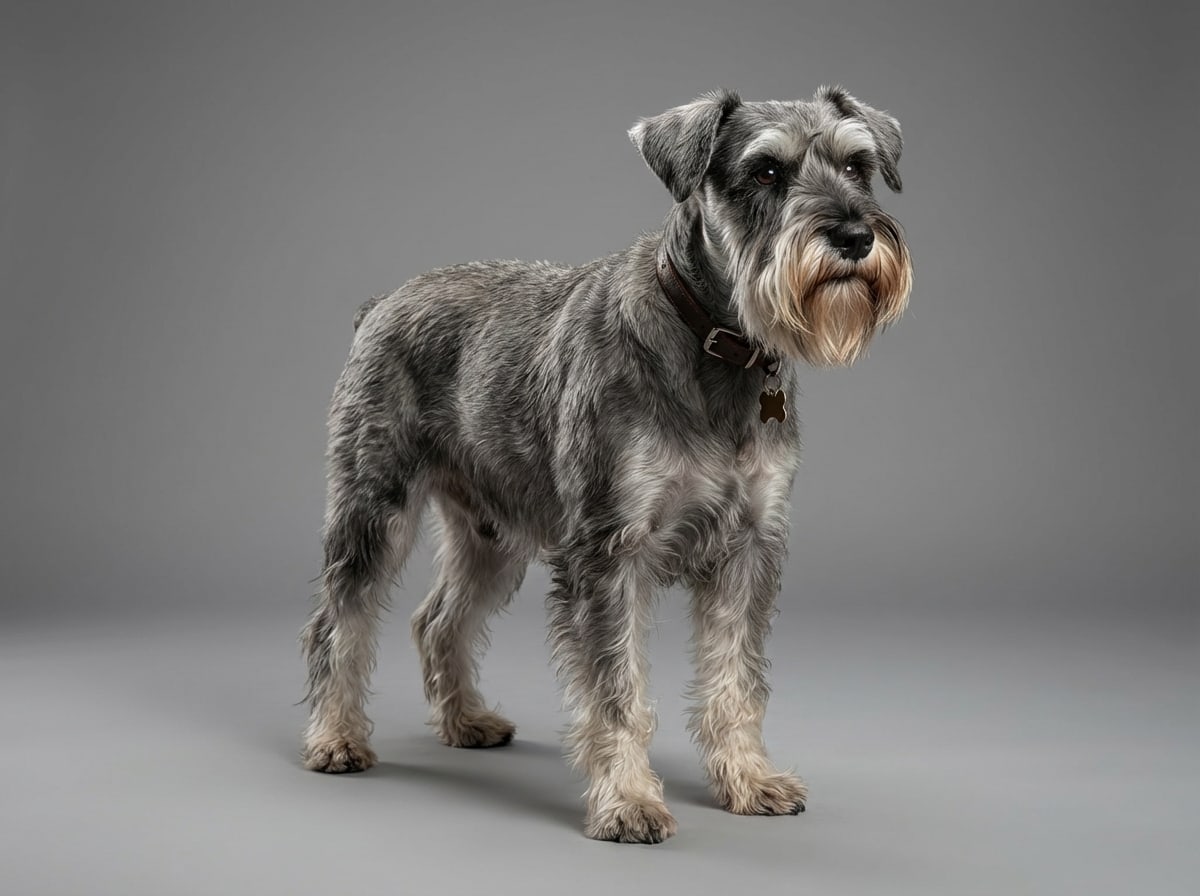
With its playful nature, the Schnoodle is a delightful companion for many. The size and appearance of a Schnoodle can vary significantly, often reflecting the characteristics of its parent breeds, such as the Poodle's elegant lines and the Schnauzer's distinctive face. The breeder's purpose in creating the Schnoodle was to produce a mixed breed that could be a loyal and affectionate companion for individuals and families alike, offering the best of both parent breeds.
Temperament and Personality
The Schnoodle is a highly intelligent breed, known for its alertness and playful disposition. These dogs are not only intelligent but also loyal, affectionate, and devoted, qualities that make them excellent family pets. Their energetic nature ensures they remain engaged and happy, requiring regular exercise and mental stimulation to thrive fully.
With a temperament that is a blend of the Poodle and Schnauzer, Schnoodles are generally friendly and get along well with children and other pets. Their alertness not only makes them good watch dogs but also contributes to their role as companions. Their affectionate nature is a hallmark of the breed, endearing them to all who interact with them.
Physical Characteristics
The Schnoodle's coat is medium in length, a combination of the Poodle and Schnauzer's coats. This coat requires regular grooming, including brushing and trimming, to maintain its health and appearance. The breed's weight can range from 4.5 to 36 kg, and its height varies from 25 to 66 cm, reflecting the diversity that can come from mixed breeding. The coat can come in a variety of colors and patterns, often displaying a mix of the parent breeds' colorings.
The Schnoodle is often considered a hypoallergenic breed, with a hypoallergenic flag set at 0, suggesting it may not be suitable for individuals with severe allergies. However, many owners with allergies find the Schnoodle manageable due to its low-shedding coat and the presence of proteins in the saliva and dander that are less likely to trigger allergic reactions in some individuals.
Lifespan and Care
The Schnoodle has an average lifespan of 10 to 16 years, which is similar to many purebred dogs. Regular veterinary care, including routine check-ups and vaccinations, is essential to ensure a healthy life for Schnoodles. Early detection and treatment of potential health issues can significantly contribute to a longer and healthier life for these dogs.
Proper care for a Schnoodle includes a diet rich in protein, tailored to their age, size, and activity level, along with regular exercise. These energetic dogs require daily physical activity to stay healthy and happy. Their grooming needs are also important, as the Schnoodle's coat can become matted or tangled if not properly maintained, requiring regular brushing and potentially professional grooming services.
Health Considerations
Schnoodles may experience skin allergies, which are often noted by persistent scratching, redness, or skin infections, a commonality inherited from their parent breeds.
Regular veterinary check-ups are crucial in monitoring the health of a Schnoodle and addressing any potential issues early. Responsible breeding practices that prioritize health can help reduce the incidence of these conditions. Owners should also be vigilant for any signs of illness or discomfort and seek veterinary care promptly.
Adaptability and Compatibility
The Schnoodle is adaptable to various living situations, though it does best in homes with access to a yard where it can exercise. Its energy level and playful nature mean it requires a family or individual that can provide ample attention and exercise. Schnoodles thrive in environments that offer both physical and mental challenges to keep them engaged and happy.
While the Schnoodle is generally friendly and gets along well with children and other pets, it is important to consider the breed's size and energy level when introducing it to new household members. Early socialization is key to ensuring good behavior and compatibility with other animals. Proper training and consistent boundaries are also important in managing the Schnoodle's energetic and intelligent nature.
Breed Standards and Registry History
The Schnoodle does not have a standardized breed standard due to its mixed heritage, but many registries recognize it as a distinct breed. The American Canine Hybrid Club (ACHC) and the Designer Dogs Kennel Club (DDKC) are among the organizations that recognize the Schnoodle. The breed's registry history reflects the growing popularity of crossbreeds and the desire for a companion that combines the best qualities of two breeds.
As Schnoodles have gained popularity, breeders have focused on maintaining a balanced temperament and appearance. This has led to the development of different types of Schnoodles, such as the Miniature Schnoodle, which is a smaller version of the breed, and the Standard Schnoodle, which is closer in size to the Poodle and Schnauzer parent breeds.
Buying and Owning a Schnoodle
When considering a Schnoodle, potential owners should be prepared for the costs associated with owning a dog. This includes the initial purchase price, which can vary significantly depending on the breeder and the puppy's lineage, as well as ongoing costs such as food, veterinary care, and grooming. Prices for Schnoodles can range from a few hundred to several thousand dollars.
It is essential to purchase a Schnoodle from a reputable breeder who can provide health clearances, a history of the puppy's parents, and documentation on the puppy's genetic background. This ensures that the puppy is healthy and has the best chance of growing into a well-adjusted adult. Reputable breeders prioritize the health and well-being of their dogs and are often more willing to offer guidance and support to new owners.
When bringing a Schnoodle into your home, be prepared for a loyal and affectionate companion that will require regular exercise, mental stimulation, and grooming. The Schnoodle, a cross between a Poodle and a Schnauzer, inherits the Poodle's intelligence and the Schnauzer's hypoallergenic coat, making it suitable for families with allergies.
Frequently Asked Questions
What is the lifespan of the Schnoodle?
The average lifespan of the Schnoodle is about 10-16 years. Good nutrition and regular veterinary care support a healthy life.
What is the temperament of the Schnoodle?
The Schnoodle is known for: Intelligent, Loyal, Playful, Alert, Affectionate, Devoted, Energetic. Its energy level is high.
What size and weight is the Schnoodle?
It is a large dog, typically around 4.5-36 kg as an adult.
Is the Schnoodle easy to care for?
Reliable grooming and shedding ratings are not available. Routine brushing, ear and dental care, and nail trims are still recommended.
Is the Schnoodle good with kids and other pets?
Reliable child- and pet-friendliness ratings are not available. Supervised, gradual introductions are recommended.
How much exercise does the Schnoodle need?
With a high energy level, it needs walks, play or training matched to its stamina.
Schnoodle
Trait Scores
N/A