Origins and Historical Significance
The Schapendoes, a herding dog breed, originated in the Netherlands, specifically in the Drenthe province and the Veluwe region known for its forests and swampland. The name "Schapendoes" is derived from the local dialect word for "swamp," as the breed was once common in the swampy areas. Initially, these dogs were not recognized as a specific breed but were a general type of farm and herding dog, adapting to the local people, environment, and work needs.
The breed faced near-extinction during World War II, with the modern-day Schapendoes descending from a small group of survivors. The Dutch Raad van Beheer, the national kennel club, first recognized the breed in 1952, with the first standard written in 1954. The Schapendoes was later recognized by the Fédération Cynologique Internationale in 1971 as breed number 313 in Group 1, Section 1: Sheepdogs.
The breed has since been exported to North America and is recognized by the Canadian Kennel Club as the Dutch Sheepdog and the United Kennel Club in the USA's Herding groups. The American Kennel Club lists the Schapendoes as part of its Foundation Stock Service, marking the first step in breed recognition. This recognition process began in 2007, with the breed officially recognized by the AKC in 2016.
Appearance and Physical Characteristics
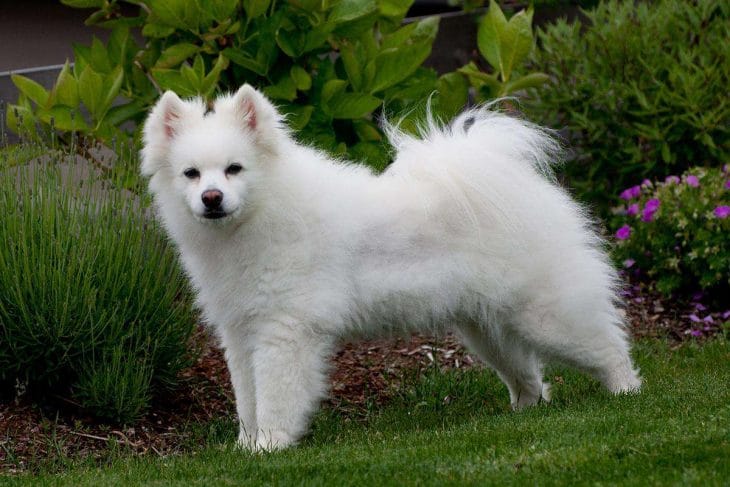
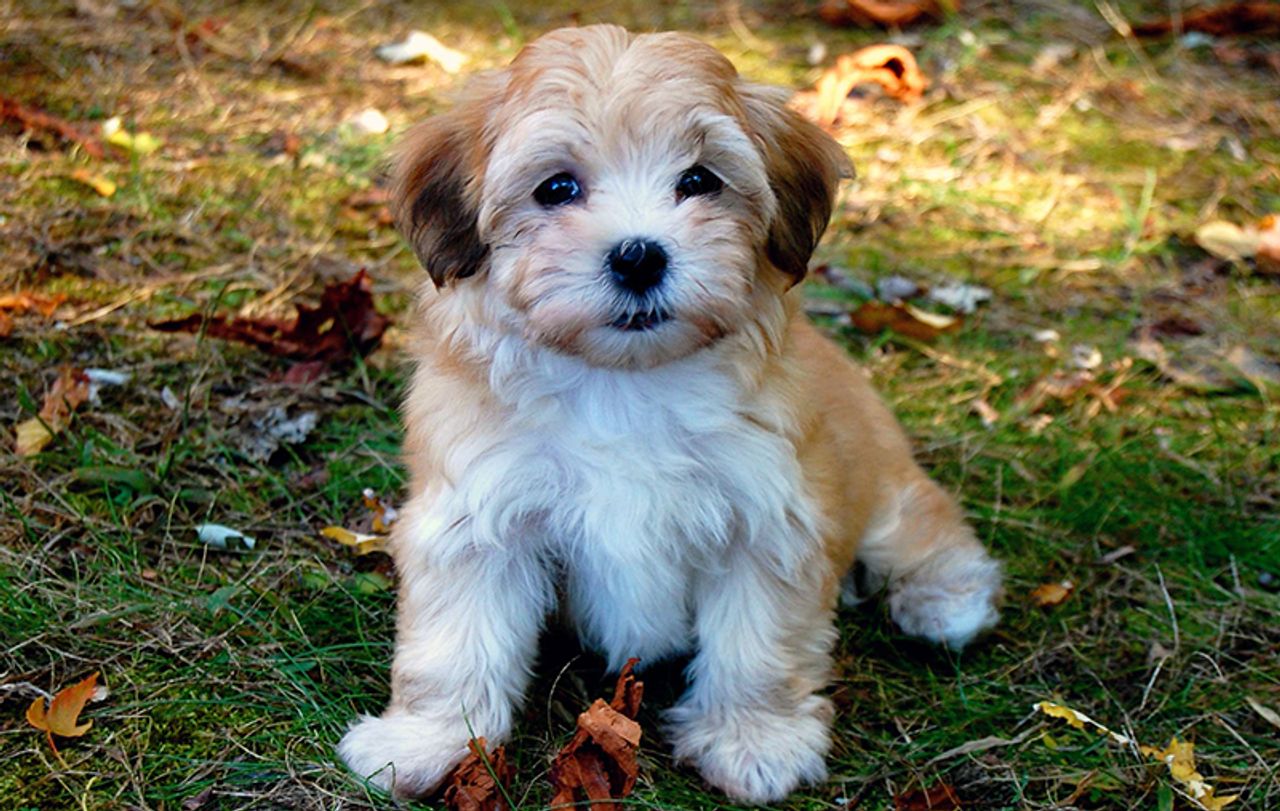
The Schapendoes is a medium-sized dog, with males weighing up to 25 kg (55 lb) and females up to 20 kg (44 lb). Males stand at a height of 43-51 cm (19.7-20.1 in) at the withers, while females reach 40-48 cm (15.7-18.9 in). The breed is characterized by its long, thick fur, which covers the body, legs, tail, and face. The ears are small and hang down, and the face features a distinctive moustache and beard. The coat color can vary, with shades including black, gray, fawn, and brindle, and patterns that may include white markings.
The Schapendoes has a lightly built frame and is known for its springy, effortless movement, which is a result of its high energy level and intelligent nature.
Temperament and Personality
With a lively, cheerful disposition, the Schapendoes is known for its friendly and intelligent temperament. This breed is energetic and playful, making it a great companion for active individuals or families. The Schapendoes is also courageous and alert, which is beneficial for its original purpose as a herding dog. The breed's independence and intelligence can sometimes require consistent training and a firm hand, especially in the early stages of socialization.
The breed's adaptability to various environments is limited, and it does not have a strong preference for socializing with strangers, which can be beneficial in terms of noise levels in a household.
Health and Genetic Considerations
The Schapendoes is generally a healthy breed, with an average lifespan of 12-15 years. However, like all breeds, it can be prone to certain health issues. Some health concerns may include hip dysplasia, a condition that can cause pain and mobility issues in the affected dogs, and degenerative myelopathy, a progressive disease that affects the spinal cord. Other potential issues include eye disorders and allergies.
Owners should be vigilant about signs of these conditions, such as limping or difficulty in walking, and consult a veterinarian for any concerns. Regular health screenings can help detect and manage these conditions early.
Training and Exercise Needs
The breed's herding instincts can be channeled through activities that involve retrieving and guiding, which can be both rewarding for the dog and enjoyable for the owner. Herding trials and agility training are excellent ways to stimulate the Schapendoes's mind and provide physical exercise.
Positive reinforcement methods work well with this breed, as they are responsive to rewards and enjoy the mental challenge of training sessions. Consistency and patience are key, as the Schapendoes can be independent and may require more advanced training techniques to fully engage their herding drive.
Living with a Schapendoes
The Schapendoes is best suited for active households with access to a securely fenced yard or for owners who live in an area where they can take their dog for regular walks and activities. This breed requires at least an hour of exercise daily to stay healthy and happy.
This breed is not hypoallergenic and may not be suitable for individuals with allergies.
Buying a Schapendoes: A Practical Checklist
- Research reputable breeders or shelters with experience in Schapendoes.
- Meet potential dogs and their parents to assess health and temperament.
- Consider the long-term commitment of a dog with an average lifespan of 12-15 years.
- Check with a veterinarian regarding the dog's health and potential genetic issues.
- Ensure the dog is well-socialized from a young age to develop a well-rounded temperament.
Frequently Asked Questions
What is the lifespan of the Schapendoes?
The average lifespan of the Schapendoes is about 12-15 years. Good nutrition and regular veterinary care support a healthy life.
What is the temperament of the Schapendoes?
The Schapendoes is known for: Friendly, Intelligent, Energetic, Playful, Courageous, Alert. Its energy level is high.
What size and weight is the Schapendoes?
It is a large dog, typically around 12-20 kg as an adult.
Is the Schapendoes easy to care for?
Reliable grooming and shedding ratings are not available. Routine brushing, ear and dental care, and nail trims are still recommended.
Is the Schapendoes good with kids and other pets?
Reliable child- and pet-friendliness ratings are not available. Supervised, gradual introductions are recommended.
How much exercise does the Schapendoes need?
With a high energy level, it needs walks, play or training matched to its stamina.
Schapendoes
Trait Scores
N/A