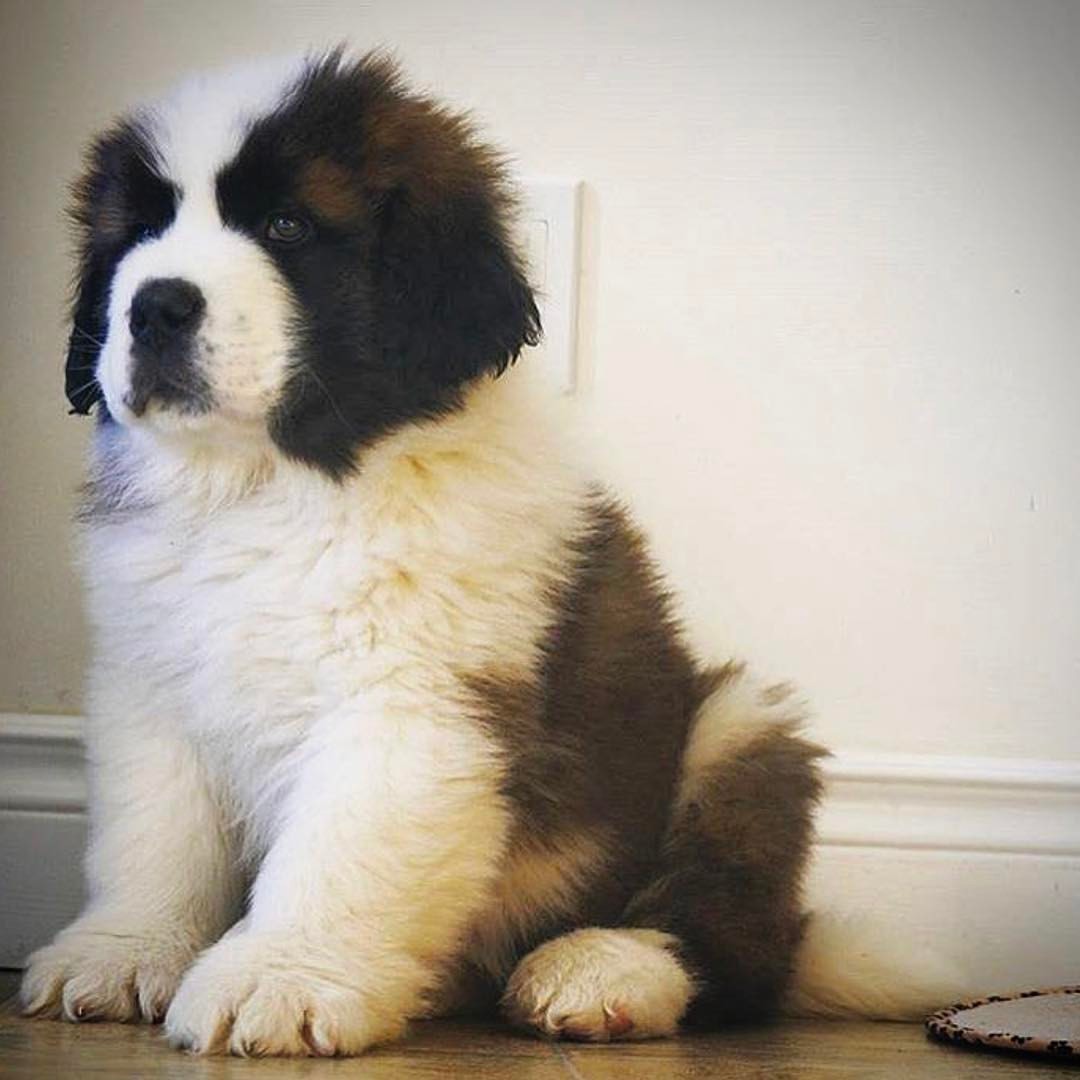
Origin and Recognition
The Sardinian Shepherd Dog, also known as the Fonni's Dog, is a landrace breed indigenous to the island of Sardinia, Italy. Despite its ancient roots, with depictions dating back to at least the mid-19th century, the breed is not recognized by the Fédération Cynologique Internationale. However, it has gained recognition from the Alianza Canina Latina, a regional canine organization that promotes the recognition of lesser-known breeds.
The breed originated from approximately 170 specimens gathered from rural parts of inner Sardinia, which contributes to its genetic variability and relative freedom from genetic inbreeding, a common issue in dog breeds with a small number of founders. This genetic diversity is particularly important for maintaining the breed's health and resilience over time.
Although not widely recognized internationally, the Sardinian Shepherd Dog is cherished for its role as a herding, catching, and livestock guardian dog, reflecting its strong protective instincts developed through centuries of work in rugged terrain. The breed's historical role as a guardian of flocks and herds has shaped its temperament and working abilities.
Physical Description
The Sardinian Shepherd Dog has a robust build and a weather-resistant goat-like coat, which can be grey, black, brindle, brown, or white. Males typically stand at 56 to 60 cm at the withers, while females are a couple of centimeters shorter at 52 to 56 cm. A distinctive feature is the dog's frontal eye position, giving it a unique "monkey-like" appearance that is reminiscent of its wild ancestors.
The coat is typically coarse on the outer layer, with a woolly and dense undercoat. It is common for males to have a longer and thicker coat around the neck, forming a mane that is reminiscent of the wild Sardinian goat. Approximately 15% of individuals are short-coated, and around 30% have a natural bobtail, a trait that may be a result of natural selection in the rugged terrain of Sardinia.
Despite the variability in coat type, the breed exhibits strong commonalities across different locations, including amber eye color and the characteristic "monkey face" appearance. These physical traits contribute to the breed's distinctive appearance and have been maintained through careful selective breeding by local shepherds.
Temperament and Personality
The Sardinian Shepherd Dog is known for its protective, loyal, independent, intelligent, alert, and courageous temperament. These traits are a result of its history as a livestock guardian, requiring a strong protective nature and the ability to work independently in rugged terrain. The breed's protective instincts are particularly strong, often leading to a fierce loyalty to its flock and family.
While the breed is protective, it is also independent, which means it may not be as easily bonded with humans as more affectionate breeds. This independence can make training more challenging, but the breed's high intelligence and trainability can mitigate this. Owners of Sardinian Shepherd Dogs must be prepared for a dog that is both independent and highly capable of making decisions on its own.
Given its protective instincts, the Sardinian Shepherd Dog may be more suited to households with a secure and stable environment, as it may be over-protective or aloof with strangers or in unfamiliar settings. This temperament requires a confident and experienced handler who can provide consistent leadership and clear boundaries.
Health and Genetic Considerations
Due to the large number of founders and the breed's genetic variability, the Sardinian Shepherd Dog should enjoy relative freedom from genetic inbreeding, which is a common issue in dog breeds with a small number of founders. This is particularly important for maintaining the breed's health and resilience over time. Breeds like the Siberian Husky, which were founded by a very small number of dogs, have higher instances of illness due to gene mutations.
Specific health conditions related to the breed may not be well-documented, making proactive health management crucial. Owners should be aware of potential issues such as hip dysplasia, which can be a concern in large breeds, and be vigilant for signs of other health problems that may arise due to the breed's genetic makeup.
Life Span and Care
The Sardinian Shepherd Dog has a life span of 12 to 14 years, which is average for many dog breeds.
Given the breed's independent nature, training should start early and be consistent. Positive reinforcement training methods are often effective for this intelligent and independent breed. Socialization should also be a priority to ensure the dog is well-adjusted and comfortable in various settings.
The Sardinian Shepherd Dog is not hypoallergenic, which means it may not be suitable for individuals with allergies to pet dander.
Adaptability and Household Suitability
This breed is best suited for households that can provide a consistent routine and ample space for exercise.
Potential owners should be prepared for a dog that requires a significant amount of mental and physical stimulation. The breed's high energy level and strong prey drive require a home with secure fencing and a safe environment to prevent escape and the pursuit of wildlife.
Given its size and energy level, the Sardinian Shepherd Dog may not be the best choice for very young children or those with limited mobility. The breed's protective nature can also be a challenge in multi-dog households, as it may be territorial and protective of its family and property.
Buying a Sardinian Shepherd Dog
- Research breeders who specialize in Sardinian Shepherd Dogs to ensure the health and temperament of the puppy. Look for breeders who participate in health testing and have a good reputation within the community.
- Check for any potential genetic health issues and discuss with the breeder the steps they take to avoid inbreeding. Ask about the health history of the puppy's parents and siblings.
- Be prepared for the cost of owning a Sardinian Shepherd Dog, including veterinary care, grooming, and food. This breed may require specialized veterinary care due to its unique health considerations.
- Ensure that your household can provide a consistent routine and ample exercise to meet the breed's energy needs. Consider the long-term commitment of owning a dog with this breed's energy level and independence.
Frequently Asked Questions
What is the lifespan of the Sardinian Shepherd Dog?
The average lifespan of the Sardinian Shepherd Dog is about 12-14 years. Good nutrition and regular veterinary care support a healthy life.
What is the temperament of the Sardinian Shepherd Dog?
The Sardinian Shepherd Dog is known for: Protective, Loyal, Independent, Intelligent, Alert, Courageous. Its energy level is moderate.
What size and weight is the Sardinian Shepherd Dog?
It is a large dog, typically around Male: 29-35; Female: 25-30 kg as an adult.
Is the Sardinian Shepherd Dog easy to care for?
Reliable grooming and shedding ratings are not available. Routine brushing, ear and dental care, and nail trims are still recommended.
Is the Sardinian Shepherd Dog good with kids and other pets?
Reliable child- and pet-friendliness ratings are not available. Supervised, gradual introductions are recommended.
How much exercise does the Sardinian Shepherd Dog need?
With a moderate energy level, it needs walks, play or training matched to its stamina.
Sardinian Shepherd Dog
Trait Scores
N/A