Origin and Historical Significance
The Sapsali, also known as Sapsal, Sapsari, or Sapsalgae, is a breed with deep roots in Korean history. Originating in Korea, this medium-sized dog has been a spiritual guardian, believed to ward off evil spirits and bring good fortune. Its name, derived from the Korean word for "a dog that chases away evil spirits and misfortune," reflects its traditional role as a protector. The breed was designated as one of South Korea's natural monuments in 1992, ensuring its protection and preservation as a part of the nation's cultural heritage.
During the Three Kingdoms period around 220 A. D. to 280 A. D. , Sapsali dogs were companions for aristocrats. Their status rose with the Silla period, and after the collapse of Unified Silla, they were owned by common people. A tragic event during Japanese rule in Korea, where the breed was slaughtered in large numbers to make winter coats for the military, almost led to their extinction. Their revival in the late 1960s, with geneticist Dr. Ha Ji-hong using DNA methods to reestablish the breed, was a crucial step in their survival.
In 1992, the breed was designated as one of the Natural Monuments of South Korea, and by 2011, a Sapsali dog was chosen as the mascot for the IAAF World Championship in Daegu. Today, the Sapsali population numbers in the thousands, commonly found as household pets and therapy dogs, cherished for their gentle temperament, loyal nature, and friendliness. The breed's historical significance is not only reflected in its cultural heritage but also in its role as a symbol of resilience and survival.
Breed Description
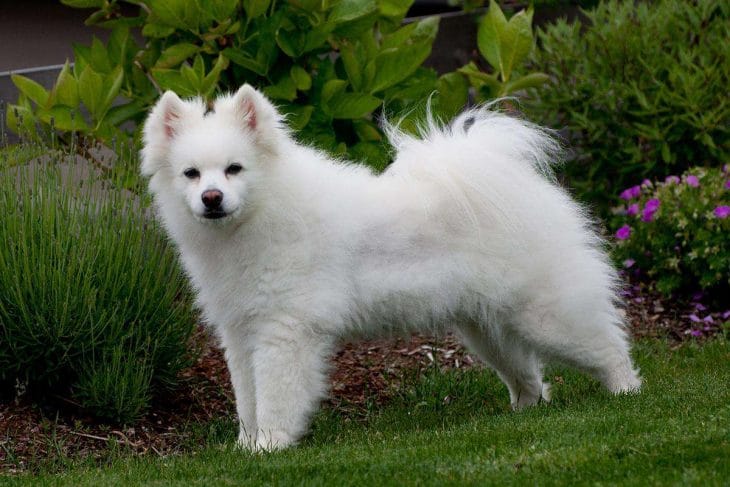
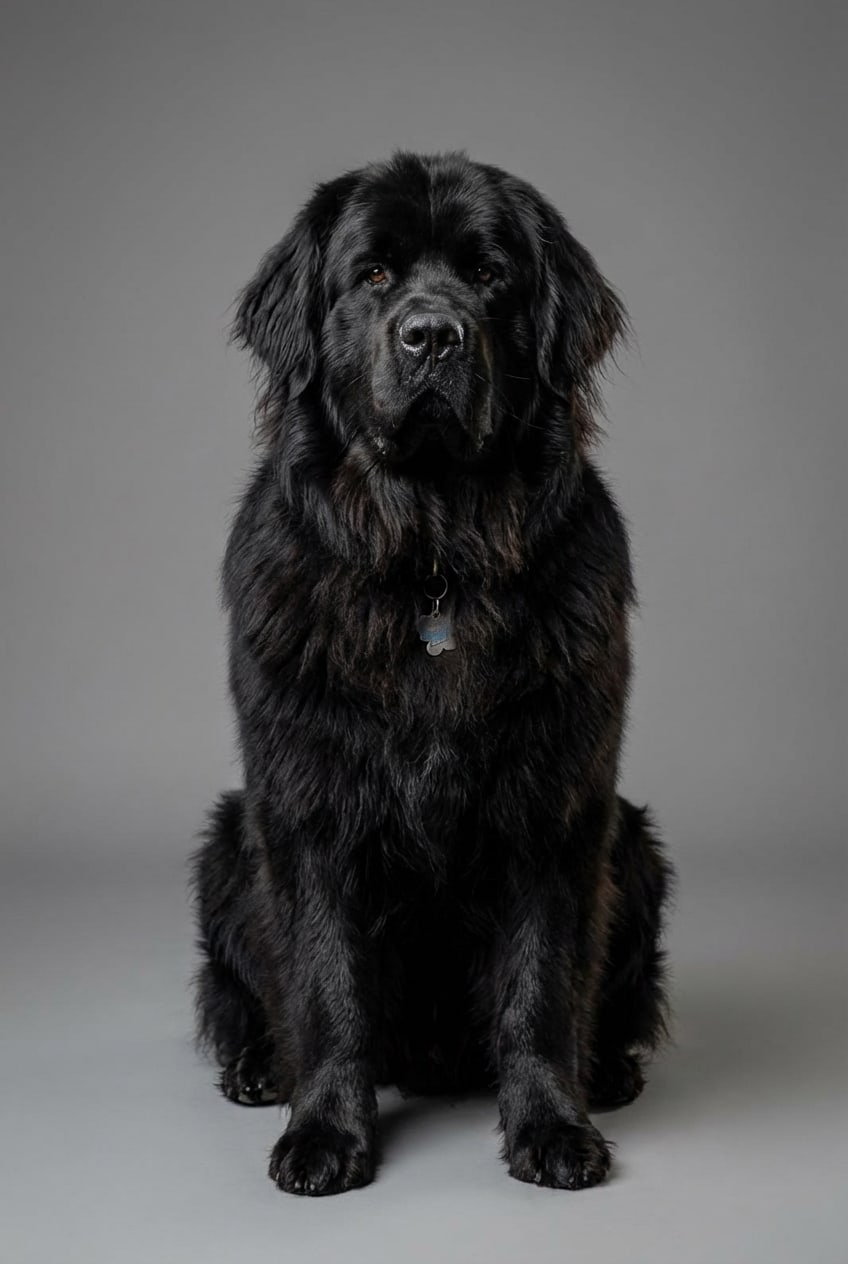
The Sapsali is a medium-sized dog with a robust build and a long, shaggy coat that covers the eyes, offering protection from the cold. The male Sapsali stands at a height of 48 to 58 cm, while the female measures 46 to 56 cm. Both genders weigh between 14 to 28 kg for males and 14 to 25 kg for females. Their coat can be any of several colors, including black, gold, orange, brown, grey, blue, white, solid, or mixed.
Distinctive features include their down-laying ears, blunt snout, and tail that is raised. The dog's head is large, reminiscent of a lion, and their personality is described as bold and valiant, loyal to their owner. This lion-like appearance has earned them the nickname "Lion Dogs" and has contributed to their status as spiritual guardians.
Temperament and Behavior
The Sapsali is known for its loyal, gentle, friendly, protective, intelligent, and patient temperament. They are adaptable to various environments and situations, making them suitable as household pets and therapy dogs. The breed's temperament is a result of its historical role as a guardian, where a calm and protective demeanor was essential.
The breed's high trainability makes them easy to train, and they are often seen as intelligent and responsive to commands. This intelligence is also reflected in their ability to learn and perform various tasks, making them versatile companions.
Breeder Purpose and Registration
The Sapsali is classified under the Non-Sporting group, reflecting its original role as a spiritual guardian rather than a working dog. The breed is officially recognized by the Korean Kennel Federation, ensuring that breeding practices adhere to standards that promote the health and well-being of the dogs. The registry history of the Sapsali is closely tied to its revival efforts, with the Korean Kennel Federation playing a crucial role in maintaining breed standards.
Their hypoallergenic flag is set at 0, indicating that they are not considered hypoallergenic dogs, so potential owners with allergies should exercise caution.
Health and Genetic Considerations
The breed's near extinction in the mid-1980s and subsequent revival by geneticist Dr. Ha Ji-hong resulted in a careful selection process that aimed to eliminate congenital issues. This careful breeding has helped to reduce the incidence of certain health problems, but it is still important for owners to be aware of potential health concerns.
Early detection and intervention are key to maintaining their health and well-being. Common health issues in the Sapsali include hip dysplasia, which can be mitigated through proper diet and exercise, and certain hereditary eye conditions.
Buying a Sapsali
When considering purchasing a Sapsali, potential owners should be prepared for a long-term commitment, given the breed's lifespan of 10 to 14 years. The average cost of a Sapsali puppy can vary, but owners should be cautious of breeders who offer puppies at unusually low prices, as this may indicate unethical practices. The cost of a Sapsali puppy reflects the breed's rarity and the effort required to breed and raise them responsibly.
Ensure that the breeder provides health clearances for both parents, as well as documentation of the dog's heritage and lineage. Responsible breeders prioritize the well-being of their dogs and the breed as a whole, and they are willing to provide potential owners with all the information needed to make an informed decision.
Frequently Asked Questions
What is the lifespan of the Sapsali?
The average lifespan of the Sapsali is about 10-14 years. Good nutrition and regular veterinary care support a healthy life.
What is the temperament of the Sapsali?
The Sapsali is known for: Loyal, Gentle, Friendly, Protective, Intelligent, Patient. Its energy level is moderate.
What size and weight is the Sapsali?
It is a large dog, typically around Male: 16-28; Female: 14-25 kg as an adult.
Is the Sapsali easy to care for?
Reliable grooming and shedding ratings are not available. Routine brushing, ear and dental care, and nail trims are still recommended.
Is the Sapsali good with kids and other pets?
Reliable child- and pet-friendliness ratings are not available. Supervised, gradual introductions are recommended.
How much exercise does the Sapsali need?
With a moderate energy level, it needs walks, play or training matched to its stamina.
Sapsali
Trait Scores
N/A