Origin and History
The Sakhalin Husky, also known as the Karafuto Ken, originated on Sakhalin Island, Russia. This breed was developed over centuries by the Nivkh people, who used them as sled dogs and hunting companions. In the 19th century, Sakhalin Huskies were recognized for their endurance and strength, capable of dragging heavy loads over long distances in harsh conditions. The breed played a crucial role in the daily life of the Nivkh, from transportation to hunting and fishing.
Historical documents from the 1800s describe the widespread use of Sakhalin Huskies among the Nivkh people, with each family often owning several dogs. These dogs were highly valued, and owning a team of them was considered a sign of wealth. The Nivkh would even use dogs as payment to settle debts.
Throughout the 20th century, the breed faced numerous challenges. Soviet policies in the 1920s and 1930s, which forced the Nivkh into labor collectives, severely impacted the breed. Additionally, during World War II, Sakhalin Huskies were used by the Red Army but were found to be more expensive to feed than horses. The breed's population continued to decline, reaching a critically low point by the late 20th century. In the 1980s, the breed was added to the endangered list by the World Conservation Union (IUCN).
Appearance and Traits
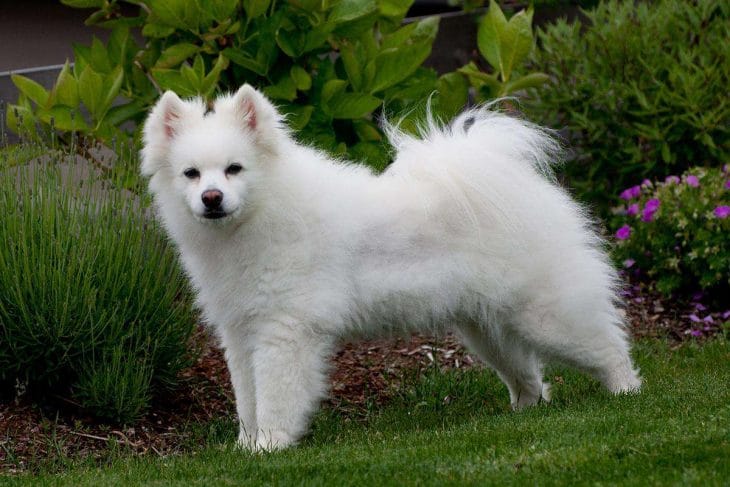
The Sakhalin Husky is a large, powerful spitz-type sled dog with an elongated body and a thick double undercoat. Males typically weigh between 30-40 kg and stand at 56-66 cm at the withers, while females weigh 25-35 kg and stand at 51-61 cm. Their tails are held straight or slightly bent to the side, and they possess triangular faces with amber eyes and prick ears. Historically, the Nivkh people would dock the last third of the tail at birth to prevent dogs from grabbing each other's tails while pulling a sled.
The Sakhalin Husky comes in various colors, including black, red, gray, and brindle, with black dogs being preferred due to their visibility in snowy conditions. They can drag more than 70 kg of cargo over distances of up to 100-150 km at speeds of 10-11 km/h. Their thick coat, which is typically white, is designed to provide insulation in the cold, arctic climate of Sakhalin Island.
This breed is known for its calm, intelligent, and loyal temperament. They are not aggressive with people or other dogs, making them suitable for families with children. However, their high prey drives and strong hunting instincts mean that they may not be the best choice for homes with smaller pets.
Temperament and Behavior
The Sakhalin Husky is a calm and intelligent breed, known for its loyalty and friendly nature. They have not been shown to be aggressive with people or other dogs, making them suitable for families with children. However, their high prey drives and strong hunting instincts mean that they may not be the best choice for homes with smaller pets. This behavior is particularly pronounced in male dogs, which may be more inclined to hunt than female dogs.
This breed requires extensive exercise to stay healthy and happy. Without adequate exercise, Sakhalin Huskies can become destructive or exhibit other undesirable behaviors. Regular activities such as running, sled pulling, or long walks can help manage their high energy levels.
As a sled dog, the Sakhalin Husky is well-suited to cold climates and has a thick coat that protects them from the elements. They are known for their excellent endurance and ability to navigate challenging terrain, making them valuable companions for those who enjoy outdoor activities and adventure, such as mushing or dog sledding.
Health and Lifespan
The Sakhalin Husky is a generally healthy breed, with a lifespan of up to 20-22 years. Owners should be aware of potential issues such as hip dysplasia, eye problems (like progressive retinal atrophy and cataracts), and skin allergies (such as atopic dermatitis).
Despite their robust health, the critically endangered status of the breed means that there is limited genetic diversity. This can increase the risk of hereditary health issues, such as those associated with the small gene pool. Breeders must be cautious about selective breeding to avoid perpetuating health problems within the breed.
Recovery Efforts and Conservation
By the early 21st century, the Sakhalin Husky was critically endangered, with only a few individuals remaining. Efforts to restore the breed began with the efforts of musher Sergei Lyubykh, who owned seven of the last known Sakhalin Huskies. Lyubykh believed that the breed could be revived, and he left his remaining dogs to his student, Oleg Seliverstov, who has continued the restoration efforts with Nikolai Chalkin. Their efforts have been crucial in preserving the breed and ensuring its future.
Today, there are approximately 20 Sakhalin Huskies living on Sakhalin Island, thanks to the dedicated work of Seliverstov and Chalkin. Their efforts include breeding programs, community education, and the development of sustainable conservation practices. However, the breed remains critically endangered, and further efforts are needed to increase its population and genetic diversity.
Conservation efforts also include promoting awareness of the breed's unique history and characteristics. The Sakhalin Husky has been featured in popular culture, including films and television dramas, which have helped raise awareness and generate interest in the breed. The breed's distinctive appearance and temperament have made it a subject of fascination among dog enthusiasts and conservationists alike.
Buying a Sakhalin Husky
When considering the purchase of a Sakhalin Husky, potential owners should be prepared for the following:
- High energy levels and the need for extensive exercise and mental stimulation.
- The responsibility of participating in conservation efforts to ensure the breed's survival.
- Understanding the breed's critically endangered status and the limited genetic diversity.
Potential owners should also be aware of the breed's critically endangered status and the limited genetic diversity. Researching the breed's history, temperament, and care requirements is also crucial to ensure a successful and fulfilling ownership experience.
Buying a Sakhalin Husky should not be taken lightly. Owners must be willing to commit to the dog's high energy demands and be prepared for the unique challenges and rewards of owning an endangered breed. Supporting rescue organizations and breed-specific conservation groups can also be a meaningful way to contribute to the breed's preservation.
Frequently Asked Questions
What is the lifespan of the Sakhalin Husky?
The average lifespan of the Sakhalin Husky is about 12-15 years. Good nutrition and regular veterinary care support a healthy life.
What is the temperament of the Sakhalin Husky?
The Sakhalin Husky is known for: Loyal, Intelligent, Independent, Work-focused, Energetic, Courageous. Its energy level is high.
What size and weight is the Sakhalin Husky?
It is a large dog, typically around Male: 30-40; Female: 25-35 kg as an adult.
Is the Sakhalin Husky easy to care for?
Reliable grooming and shedding ratings are not available. Routine brushing, ear and dental care, and nail trims are still recommended.
Is the Sakhalin Husky good with kids and other pets?
Reliable child- and pet-friendliness ratings are not available. Supervised, gradual introductions are recommended.
How much exercise does the Sakhalin Husky need?
With a high energy level, it needs walks, play or training matched to its stamina.
Sakhalin Husky
Trait Scores
N/A