Origin and Conservation Status
The Ryukyu dog, also known as 'Ryukyu Inu', is a medium-sized breed indigenous to the Ryukyu Islands, particularly Okinawa and Ishigaki Island in Japan. As of 2015, there were as few as 400 Ryukyu dogs, making them an endangered breed. The Ryukyu dog is protected by the Ryukyu Inu Hozonkai, a preservation society dedicated to its survival.
Historically, the breed was thought to be extinct after World War II due to food shortages and crossbreeding with Western dogs. However, in the early 1980s, the Ryukyu Inu Hozonkai was founded by Yoshio Aragaki, who successfully located purebred Ryukyu dogs in Yanbaru, leading to the breed's revival.
The Ryukyu dog was designated as a natural monument of Okinawa prefecture in 1995, highlighting its cultural and historical significance. Preservation efforts continue through organizations like "Lavida" in Miyakojima, which produced 15 puppies in 2017, and Chubu Norin High School, where students assist in preserving the purebred Ryukyu dog.
Physical Description
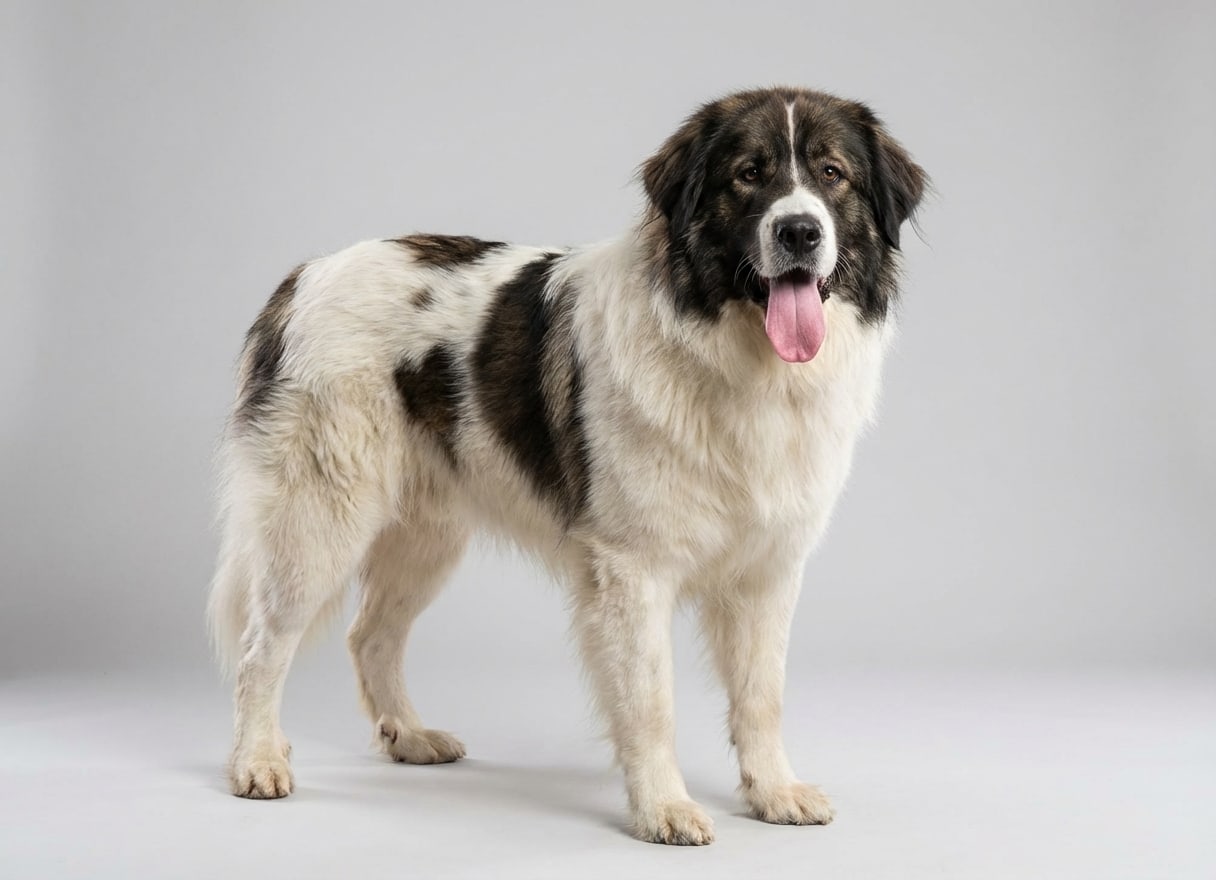
The Ryukyu dog is a medium-sized breed with an athletic build, standing at 46-52 cm for males and 43-49 cm for females. Males weigh between 15-20 kg, while females weigh 12-18 kg. Their distinctive features include triangular ears and a brindle coat, which can be black, red, white, or liver-colored, with a clear and beautiful brindle pattern.
The breed has a short coat, which can be either single-coated or double-coated, but long coats are considered a fault. Their head is broad with a straight muzzle and a shallow stop. The nose is always black, except in liver-colored dogs, which have a brown nose. Their eyes are clear and dark brown, with the corner of the eye not lifted. Ears are pricked and in a blunt triangle shape, and a scissor bite is preferred.
The Ryukyu dog has a moderately wide neck, straight forequarters, and hindquarters that are straight and strong. Dewclaws at the back are preferred, and the tail is ideally in the shape of a blade, though it can also be curled. The breed's overall appearance is reminiscent of the Kai Ken, but genetically, they are closer to the Hokkaido.
Temperament and Behavior
The Ryukyu dog is known for its loyal and intelligent nature, along with its independence and courage. They are alert and energetic, making them an excellent hunting dog. Despite their high prey drive, they are generally good with children and can be trained to be around small animals and cats if introduced early on.
These dogs are natural hunters and require a lot of mental and physical stimulation. They are capable of hunting in a group or on their own and are described as agile and brave. However, their high prey drive means they should not be trusted around small animals. They are also known to be escape artists and have impressive climbing abilities, especially those with working rear dewclaws.
The Ryukyu dog is a quiet breed, which is unusual for a hunting dog. They are not aggressive and are generally well-behaved. However, due to their high prey drive, they are not suitable for disability assistance work. Their calm and placid temperament when trained correctly makes them ideal for therapy dog work.
Breed Standard and Recognition
The Ryukyu dog is not recognized by any kennel club, including the Japanese Kennel Club. However, the Ryukyu Ken Hozonkai has issued a breed standard for the Ryukyu dog, which serves as a guide for breeders and enthusiasts. The breed standard outlines the desired physical and temperamental traits of the Ryukyu dog.
The Ryukyu Inu Hozonkai, founded in 1990, is the only breed club that recognizes the Ryukyu dog. The club has been instrumental in the breed's preservation and has implemented strategies such as open studbooks and registering dogs on merit if they meet the breed standard. This approach has been crucial in maintaining genetic diversity and combating inbreeding, which is a significant health issue for the breed.
As of 1993, there were 134 Ryukyu dogs registered with the Ryukyu Inu Hozonkai. The club's efforts have been successful in stabilizing the breed's population, though it remains a small and endangered breed.
Health Considerations
The Ryukyu dog, like all Japanese dog breeds, has relatively few health issues. However, there are specific conditions that owners should be aware of. These include hip dysplasia, elbow dysplasia, patella luxation, glaucoma, Collie eye anomaly (CEA), and hypothyroidism. Due to the breed's small population and risk of inbreeding, these conditions can be more prevalent.
Inbreeding is a significant health concern for the Ryukyu dog. The breed has already survived one near-extinction, and all current Ryukyu Ken are descendants of a small pack from the 1980s. This has led to a high risk of inbreeding, which can exacerbate health issues. To combat this, the Ryukyu Inu Hozonkai has implemented a strategy of registering dogs on merit if they meet the breed standard, thus promoting genetic diversity.
Western breeders are encouraged to conduct genetic testing for various conditions to ensure the health and well-being of the breed.
Preservation Efforts and Notable Individuals
Preservation efforts for the Ryukyu dog are ongoing in Japan. The NPO "Lavida" in Miyakojima has been actively involved in protecting the breed, producing 15 puppies in 2017. Additionally, Chubu Norin High School has students assisting in preserving the purebred Ryukyu dog.
The Ryukyu dog has gained some recognition through notable individuals. Kai, a well-known Ryukyu Ken, retired from public life in 2019 after turning 16. He lived in Okinawa World until his retirement. Another notable Ryukyu dog, Ume, lived at the Okinawa Children's Zoo and Museum until her death in 2018 at the age of 13.
In 2013, the Okinawa Children's Country opened an exhibit themed around the native animals of Ryukyu Arc, where the Ryukyu dog was among the animals exhibited. These efforts help raise awareness and support for the breed's preservation.
Buying a Ryukyu Dog: What to Consider
Here is a checklist to help potential owners:
- Ensure the dog comes from a reputable breeder who follows the breed standard and promotes genetic diversity.
- Understand the breed's high prey drive and ensure the dog is not left unsupervised around small animals.
- Be aware of the breed's history and cultural significance, and consider the role of the dog in your family and community.
Their unique blend of loyalty, intelligence, and energy makes them a special addition to any family.
Frequently Asked Questions
What is the lifespan of the Ryukyu?
The average lifespan of the Ryukyu is about 12-14 years. Good nutrition and regular veterinary care support a healthy life.
What is the temperament of the Ryukyu?
The Ryukyu is known for: Loyal, Intelligent, Independent, Courageous, Alert, Energetic. Its energy level is high.
What size and weight is the Ryukyu?
It is a large dog, typically around Male: 15-20; Female: 12-18 kg as an adult.
Is the Ryukyu easy to care for?
Reliable grooming and shedding ratings are not available. Routine brushing, ear and dental care, and nail trims are still recommended.
Is the Ryukyu good with kids and other pets?
Reliable child- and pet-friendliness ratings are not available. Supervised, gradual introductions are recommended.
How much exercise does the Ryukyu need?
With a high energy level, it needs walks, play or training matched to its stamina.
Ryukyu
Trait Scores
N/A