Origin and Development
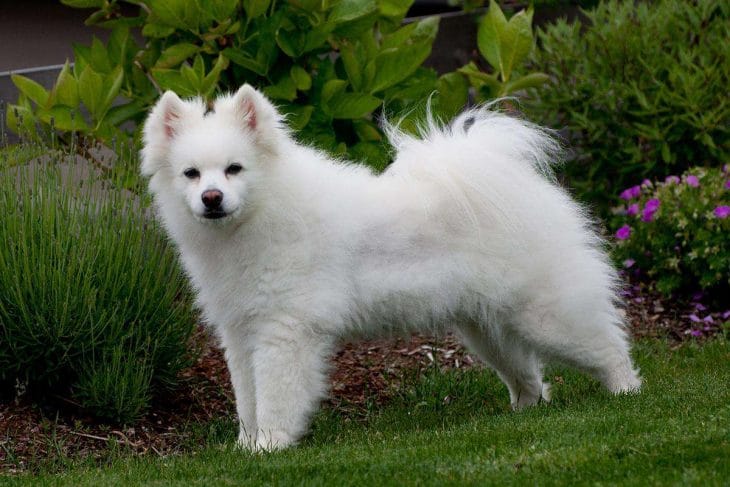
The Russo-European Laika, known as the Russko-Evropeĭskaya Láĭka, is a breed of hunting dog that originated in the forested regions of north-eastern Europe. It is one of several breeds developed from landrace Laika dogs of Spitz type. The breed's development began in 1944 with a breeding program initiated by E. I. Shereshevsky at the All-Union Research Institute for the Hunting Industry in Kalinin, now known as Tver Province.
The breed is recognized by the Fédération Cynologique Internationale (FCI) in the Spitz and Primitive types/Section 2: Nordic Hunting Dogs Group, alongside the East Siberian Láĭka and the West Siberian Láĭka. The FCI recognition highlights the breed's distinct characteristics and its place within the international canine community.
Breed Standard and Physical Description
The Russo-European Laika is a medium-sized dog, with males typically standing at 52 to 58 centimeters (20 to 23 inches) at the withers, and females at 48 to 56 centimeters (19 to 22 inches). Males weigh between 18 and 25 kilograms (40 to 55 pounds), while females weigh between 16 and 23 kilograms (35 to 51 pounds).
Temperament should be non-aggressive, and the color can be any of the normal Spitz-type colors, although red and ticking on the legs are undesirable. The coat should be thick and weather-resistant, with a dense undercoat to protect against the cold. The breed's standard emphasizes the importance of its hunting instincts and working ability.
Temperament and Personality
The Russo-European Laika is a lively breed that enjoys time spent in the wilderness. It is known for its alert, courageous, independent, intelligent, loyal, energetic, and confident temperament. The breed is a natural hunter, often using its bark to alert hunters to treed game, typically a raccoon or squirrel. It is also an excellent dog for duck hunting, showcasing its keen sense of smell and tracking abilities.
Despite its high energy level, the Russo-European Laika has a strong love of humans and can make a good family dog. Once bonded, it is quite territorial and can be an excellent guard dog. The breed is extremely tolerant of children but may not be friendly towards other unfamiliar dogs or animals. This selective social behavior is a result of its hunting heritage and need to protect its territory.
Exercise and Activity Needs
The Russo-European Laika requires plenty of exercise, especially when running free and hunting. Without sufficient activity, it may suffer from boredom and become destructive.
Training and Socialization
Training is required at a young age for the Russo-European Laika due to its high energy and willingness to please. Without proper training, it may exhibit undesirable behaviors such as excessive barking, digging, or aggression. Socialization is also essential to ensure the dog is well-rounded and can interact appropriately with people and other animals.
Health Considerations
Specific health conditions that could affect this breed include hip dysplasia, which can cause lameness or difficulty in rising, and elbow dysplasia, which can lead to pain and arthritis in the elbows. Other potential health issues include entropion, a condition where the eyelid rolls inward, and progressive retinal atrophy, a degenerative eye disease.
Early detection and treatment of health issues can significantly improve the quality of life for these dogs.
Life Span and Maintenance
The life span of the Russo-European Laika is typically 11 to 15 years. The thick coat requires regular brushing to prevent mats and tangles, and the breed's ears should be checked and cleaned regularly to prevent infections.
Buying and Owning a Russo-European Laika
This includes providing adequate exercise, training, and socialization. The breed is not hypoallergenic, so those with allergies should consider this carefully. Owning a Russo-European Laika requires a commitment to its care and well-being, ensuring it has a fulfilling life with a suitable home environment. Potential owners should be prepared for the costs associated with veterinary care, grooming, and proper nutrition.
Breed Popularity and Registry
The Russo-European Laika is less common outside of its native region, but it has a dedicated following among hunters and dog enthusiasts. The American Kennel Club (AKC) does not recognize the breed, but it is registered with other organizations such as the United Kennel Club (UKC). The breed's registry history reflects its development and the efforts to preserve its unique characteristics and working abilities.
According to the UKC, there were approximately 500 registered Russo-European Laikas in the United States as of 2021. This number indicates the breed's niche status within the American canine community.
Frequently Asked Questions
What is the lifespan of the Russo-European Laika?
The average lifespan of the Russo-European Laika is about 11-15 years. Good nutrition and regular veterinary care support a healthy life.
What is the temperament of the Russo-European Laika?
The Russo-European Laika is known for: Alert, Courageous, Independent, Intelligent, Loyal, Energetic, Confident. Its energy level is high.
What size and weight is the Russo-European Laika?
It is a large dog, typically around Male: 18-25; Female: 16-23 kg as an adult.
Is the Russo-European Laika easy to care for?
Reliable grooming and shedding ratings are not available. Routine brushing, ear and dental care, and nail trims are still recommended.
Is the Russo-European Laika good with kids and other pets?
Reliable child- and pet-friendliness ratings are not available. Supervised, gradual introductions are recommended.
How much exercise does the Russo-European Laika need?
With a high energy level, it needs walks, play or training matched to its stamina.
Russo-European Laika
Trait Scores
N/A