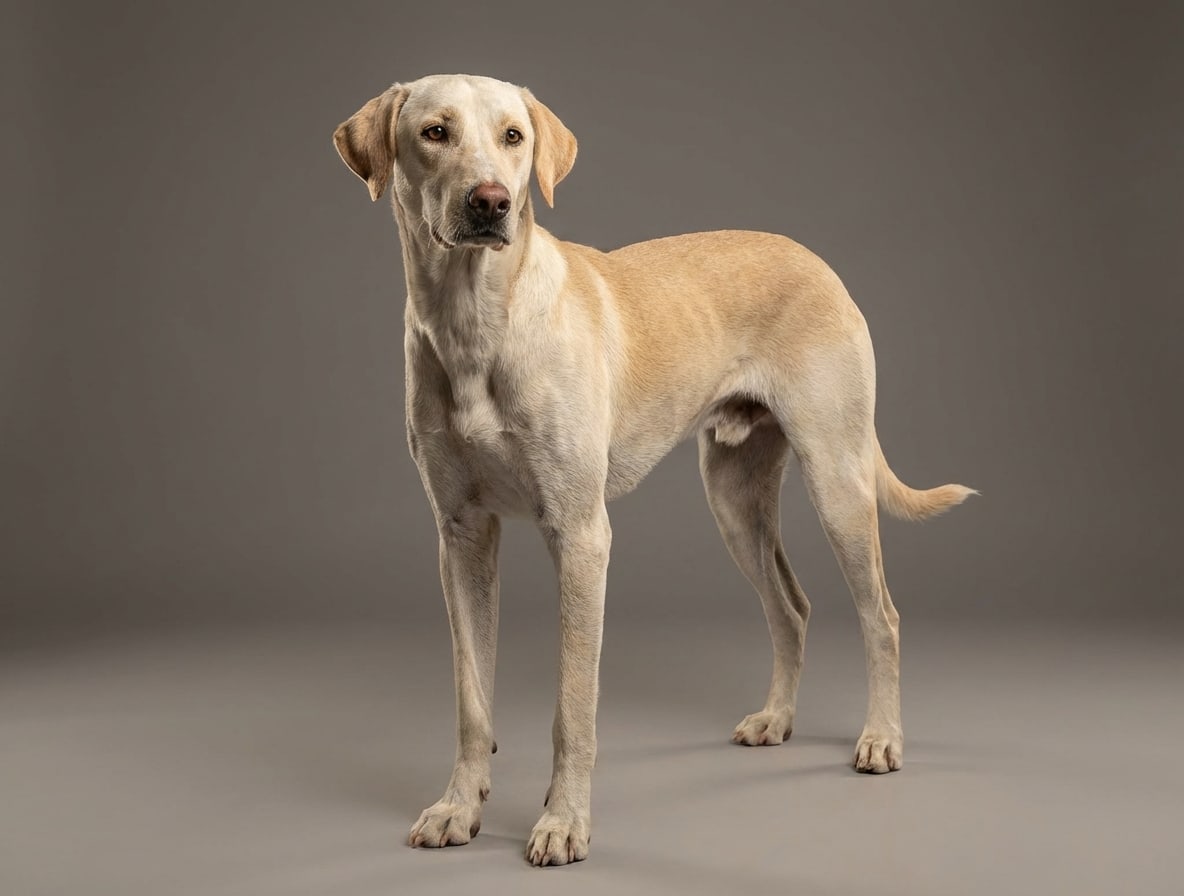
About the Rottsky
The Rottsky is a large, athletic mixed breed, developed in the United States. It is known for its well-muscled build and thick double coat, a combination of the Rottweiler's strength and loyalty with the Siberian Husky's endurance and independent spirit. This mixed breed can display significant variation in physical appearance and temperament. The name "Rottsky" reflects its Rottweiler heritage, as the breed was primarily developed using the Rottweiler as one of the parent breeds.
This breed is intelligent and loyal, often energetic and protective. It has a life span of 10-14 years, with adult males weighing between 25-61 kg and standing 53-69 cm tall. Adult females typically weigh 23-50 kg and stand 51-64 cm tall. This breed is characterized by a medium-length coat, high energy level, moderate shedding, and high trainability. The Rottsky's coat can come in various colors, including black, gray, and red, and it inherits the shedding patterns of both parent breeds.
Origin and History
The Rottsky originated in the United States, drawing on the strength and loyalty of the Rottweiler and the endurance and independent spirit of the Siberian Husky. The Rottweiler itself has a long history, dating back to Roman times, when these dogs were used as herder or driving dogs. They accompanied the Roman legions over the Alps, protecting humans and herding cattle. Over time, the Rottweiler evolved into a breed primarily known for driving and guarding cattle and protecting their masters' property. The name "Rottweiler" comes from the old free city of Rottweil.
The Siberian Husky, on the other hand, was developed by the Chukchi people in the Russian Far East for sled pulling and companionship. The breed was recognized by the American Kennel Club (AKC) in 1930 and has since gained popularity as a sled dog and family pet.
Parent Breeds: Rottweiler and Siberian Husky
The Rottsky is a mixed breed with the Rottweiler and Siberian Husky as its parent breeds. The Rottweiler, originally from Germany, is known for its strength and loyalty, as well as its use in police work, search and rescue, and as a guard dog. The Rottweiler has a robust and powerful appearance, with a well-developed skull and a well-defined stop. The breed is prone to certain health issues, including hip dysplasia, which affects the hip joint and can lead to lameness or arthritis in affected dogs.
The Siberian Husky, on the other hand, is a medium-sized working sled dog with a thick double coat and distinctive markings. They are energetic, resilient, and have a genetic relationship with Chukotka sled dogs from Siberia, indicating their lineage in the region dates back over 9,500 years. The breed is known for its blue eyes and wolf-like appearance, which are not uncommon in the mixed breed.
These breeds contribute to the Rottsky's strong and well-muscled build, intelligent and loyal temperament, and high energy level, along with their thick double coat, a common trait among both parent breeds. The Rottsky may also inherit the Husky's tendency to howl, which can be a source of entertainment or frustration for owners.
Physical Description
The Rottsky is a large mixed breed, known for its well-muscled build and thick double coat. The breed inherits the robust and powerful appearance of the Rottweiler and the thick, thickly furred double coat of the Siberian Husky. Their head is medium-length, with a moderately arched forehead and well-developed occipital bone. The nose is well-developed, broad, and always black, and the lips are black and close-fitting. Their teeth should display a scissor bite, a characteristic of the Rottweiler.
The Rottsky has erect triangular ears and a thick double coat that protects against harsh climates, a trait inherited from the Siberian Husky. The coat is thicker than that of most other dog breeds, with a dense undercoat and longer guard hairs. The shedding pattern of the Rottsky is similar to that of the Husky, with heavy shedding twice a year.
Temperament and Personality
The Rottsky is an intelligent and loyal dog, often energetic and protective. They are generally good with children but can be cautious with strangers. Their protective nature means they are alert and may bark to alert their owners to potential dangers. This breed is known for its strong bond with its family and can be territorial, especially if not properly socialized.
Their intelligence and trainability make them responsive to training, but they require a firm, consistent hand. Training should be started early and should focus on socialization and obedience to ensure the dog is well-rounded and behaves appropriately in various settings. The Rottsky's protective nature also makes them excellent guard dogs, capable of deterring intruders.
Health and Genetic Considerations
Like any mixed breed, the Rottsky can be prone to certain health issues, but this can vary among individual dogs. The breed's genetic makeup includes traits from both the Rottweiler and the Siberian Husky, each of which may have its own health considerations. The Rottweiler is prone to issues such as hip dysplasia, bloat, and certain types of cancer, while the Husky may be susceptible to issues like hypothyroidism and eye disorders.
A 2024 genomic analysis of the Siberian Husky population revealed that the breed has emerged into four genetically distinct populations, indicating a complex genetic background that can affect health and temperament. This complexity can also lead to a variety of coat colors and patterns in the Rottsky.
Care and Grooming
They are a medium shedder, and regular brushing can help reduce loose fur in the home. During the heavy shedding seasons, daily brushing may be necessary to manage the shedding.
In terms of exercise, the Rottsky is an energetic breed that requires regular physical activity. Mental stimulation is also important, as this breed can become bored and destructive if not challenged.
Training should begin early and be consistent, as the Rottsky can be headstrong and requires a firm but gentle approach. Socialization is also crucial, especially for mixed breeds, to ensure they grow into well-rounded dogs that are comfortable in various settings. Proper socialization can help mitigate the potential for aggression and fearfulness.
Buying a Rottsky
When considering a Rottsky, potential owners should consider the following factors:
- Health history: Ask for a clear health history from the breeder and be prepared for potential health issues associated with both the Rottweiler and the Siberian Husky.
- Temperament: Ensure that the temperament of the dog matches your lifestyle and home environment. They are a large breed that requires a family that can provide consistent training and attention. A Rottsky may not be suitable for a first-time dog owner or those without a securely fenced yard.
- Exercise needs: If you're not an active person, a Rottsky may not be the right choice. This breed requires a significant amount of physical activity to stay healthy and happy.
- Training: Begin training and socialization early. This breed is intelligent and responsive to training but requires a firm and consistent approach. Proper training can help ensure the dog is well-behaved and does not develop unwanted behaviors.
Frequently Asked Questions
What is the lifespan of the Rottsky?
The average lifespan of the Rottsky is about 10-14 years. Good nutrition and regular veterinary care support a healthy life.
What is the temperament of the Rottsky?
The Rottsky is known for: Intelligent, Loyal, Energetic, Protective, Athletic, Confident. Its energy level is high.
What size and weight is the Rottsky?
It is a large dog, typically around Male: 25-61; Female: 23-50 kg as an adult.
Is the Rottsky easy to care for?
Reliable grooming and shedding ratings are not available. Routine brushing, ear and dental care, and nail trims are still recommended.
Is the Rottsky good with kids and other pets?
Reliable child- and pet-friendliness ratings are not available. Supervised, gradual introductions are recommended.
How much exercise does the Rottsky need?
With a high energy level, it needs walks, play or training matched to its stamina.
Rottsky
Trait Scores
N/A