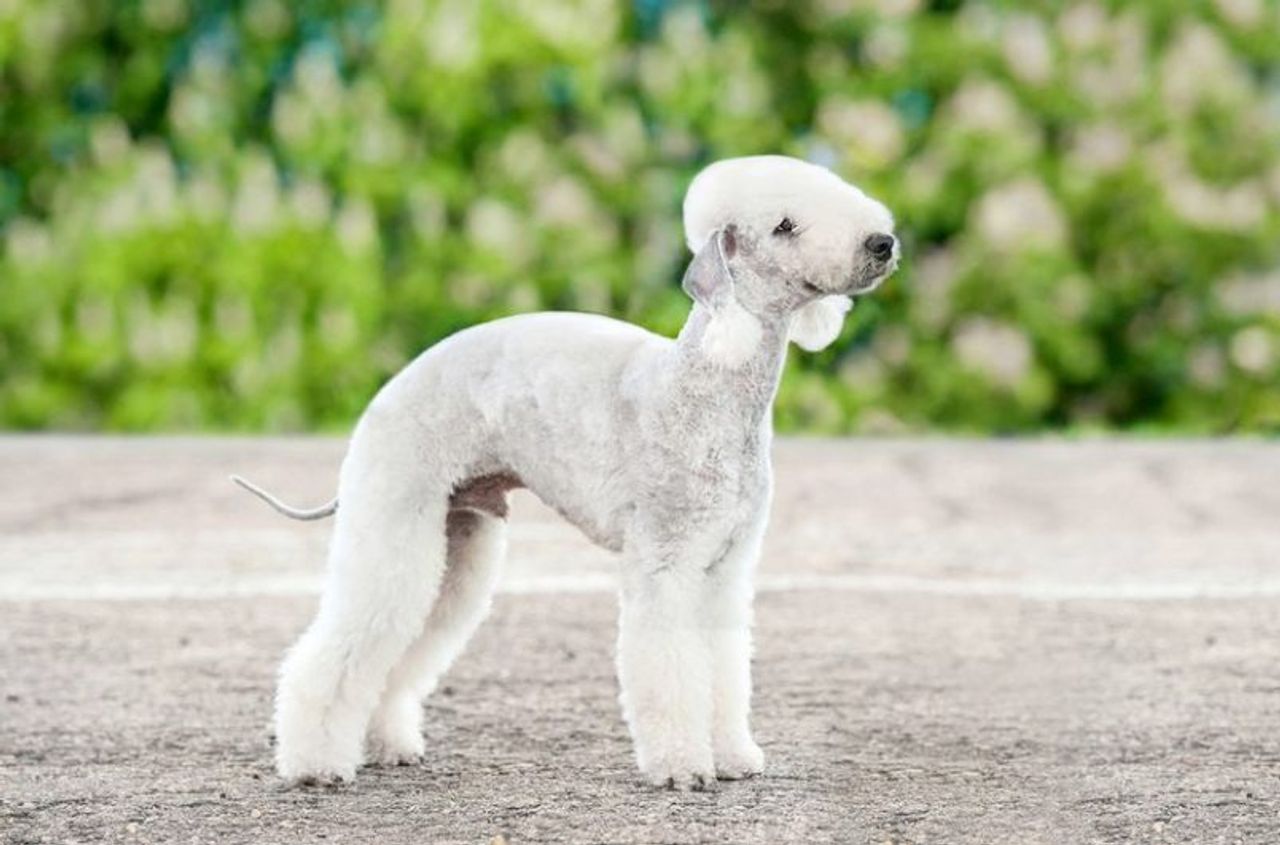
Origin and Development
The Rottle, a large and athletic mixed breed, originated in the United States. This breed is a crossing of the Rottweiler and Standard Poodle, combining the protective nature and strength of the Rottweiler with the intelligence and potentially low-shedding curly or wavy coat of the Poodle.
The Rottweiler, one of the oldest surviving dog breeds, has its origins dating back to Roman times. Initially used as herder and driving dogs, they were known as Rottweil butchers' dogs due to their role in herding livestock and pulling carts laden with meat to market. The Rottweiler's protective nature and strength are traits that have been passed down to the Rottle. The breed was recognized by the United Kennel Club (UKC) in 1997.
The Poodle, a breed of water dog, likely originated in Germany in the Middle Ages. Poodles were originally used by wildfowl hunters to retrieve game from water and as circus performers. The Poodle Club of America was established in 1888, and the breed was recognized by the American Kennel Club (AKC) in 1887.
Breed Characteristics
The Rottle is a large breed, with adult males weighing between 27-57 kg and standing at 56-69 cm, while females weigh between 23-45 kg and stand at 51-64 cm. Their size and strength make them a formidable presence, but their temperament is balanced with intelligence and loyalty. The breed standard for the Rottle, as recognized by the UKC, emphasizes these physical and temperamental traits.
The Rottle's coat is medium in length, with a curly or wavy texture that can potentially result in low shedding. The breed standard also specifies that the coat should be dense and healthy, contributing to the breed's reputation for being a good choice for allergy sufferers. The coat color can vary, but solid black, red, and gray are common.
Temperament-wise, the Rottle is intelligent, loyal, protective, confident, and energetic. They are also affectionate, making them great companions for families and individuals looking for a loyal and active pet. The temperament is a key factor in the breed's popularity as a family pet and working dog.
Temperament and Behavior
Intelligent and trainable, the Rottle responds well to training and can excel in various dog sports and activities, such as agility, obedience, and tracking. Their protective nature makes them excellent guard dogs, but their friendly disposition ensures they are not overly aggressive. This balance is a result of careful breeding practices aimed at producing a well-rounded temperament.
They enjoy activities such as hiking, agility, and obedience training, which help to channel their energy and enhance their bond with their owners.
Proper socialization helps them to be comfortable around other dogs, people, and various environments. This is particularly important for the Rottle, as it can help prevent aggression and anxiety in unfamiliar situations. Socialization should begin early and continue throughout the dog's life.
Health Considerations
For example, they may be susceptible to hip dysplasia, a condition that can cause pain and mobility issues.
Other potential health concerns include skin allergies, which can be triggered by environmental factors or certain foods, and certain eye conditions, such as cataracts and glaucoma.
Lifespan and Care
The Rottle has a lifespan of 9-14 years, which is average for a large breed. This lifespan is influenced by various factors, including genetics, diet, exercise, and veterinary care.
As with any dog, the Rottle needs a safe and secure environment to live in. They do well in homes with a secure yard and should be supervised when outside to prevent accidents or escape. The Rottle's large size and strength require a secure living space to prevent injury to themselves or others.
Compatibility and Lifestyle
The Rottle is a great choice for active families or individuals who enjoy an energetic and loyal companion. Their protective nature makes them excellent guard dogs, but their friendly disposition ensures they are not overly aggressive. This dual nature makes them adaptable to various living situations, from urban apartments to rural homes.
They enjoy activities such as hiking, agility, and obedience training, which help to channel their energy and enhance their bond with their owners.
As with any dog, the Rottle needs proper training and socialization to develop into a well-behaved adult. They do well in homes with experienced dog owners who can provide them with the attention and care they need. The Rottle's intelligence and responsiveness to training make them a good fit for owners willing to invest time and effort into their pet's development.
Buying a Rottle
Look for breeders who prioritize the health and well-being of their dogs and are willing to provide you with documentation of their puppy's health and lineage. Reputable breeders will conduct health screenings on their breeding dogs to reduce the risk of genetic health issues in the puppies.
Be prepared for the costs associated with owning a Rottle, including the initial purchase price, which can range from $1,000 to $2,000, veterinary care, grooming, and food. The Rottle's grooming needs can be more expensive than other breeds due to the potential for matting and the need for regular professional grooming.
Consider your lifestyle and living situation to ensure that a Rottle is the right fit for you. They require a significant amount of time and energy, both in terms of exercise and training. Potential owners should be committed to providing a stable and loving home for this active and intelligent breed.
Frequently Asked Questions
What is the lifespan of the Rottle?
The average lifespan of the Rottle is about 9-14 years. Good nutrition and regular veterinary care support a healthy life.
What is the temperament of the Rottle?
The Rottle is known for: Intelligent, Loyal, Protective, Confident, Affectionate, Energetic. Its energy level is high.
What size and weight is the Rottle?
It is a large dog, typically around Male: 27-57; Female: 23-45 kg as an adult.
Is the Rottle easy to care for?
Reliable grooming and shedding ratings are not available. Routine brushing, ear and dental care, and nail trims are still recommended.
Is the Rottle good with kids and other pets?
Reliable child- and pet-friendliness ratings are not available. Supervised, gradual introductions are recommended.
How much exercise does the Rottle need?
With a high energy level, it needs walks, play or training matched to its stamina.
Rottle
Trait Scores
N/A