Origin and History
The Rafeiro do Alentejo, a breed of flock guardian dog, originated in the Alentejo region of southern Portugal. Known for its protective nature, this breed was used historically to safeguard flocks during the biannual transhumance, moving between high summer pastures in the mountains and lowlands for the winter. The breed's name, Rafeiro do Alentejo, emerged in the late nineteenth century. The earliest breed standard was established in 1953, and the breed was officially recognized by the Fédération Cynologique Internationale in 1954.
By the 1970s, significant changes in Portugal's economy and society led to a decline in pastoral farming, drastically reducing the need for flock guardian dogs like the Rafeiro do Alentejo. The breed nearly became extinct by the early 1980s, with only a few remaining dogs in the hands of dedicated breeders. In response, the Associação dos Criadores do Rafeiro do Alentejo was established in 1994 in Monforte, Portalegre District, to revitalize the breed. The society and the câmara municipal of Monforte also set up the Centro de Reprodução do Rafeiro do Alentejo, a breeding center for the dogs.
In 2006, there were 1165 bitches registered in the stud-book, reflecting the breed's resurgence. The Rafeiro do Alentejo's distribution area closely aligns with the historic region of Alentejo, excluding areas near the Atlantic coast. A notable individual of this breed, Bobi, was once recognized by Guinness World Records as the oldest living dog, with a claimed age of 30 years and 226 days, but these records were later annulled due to insufficient evidence.
Physical Characteristics
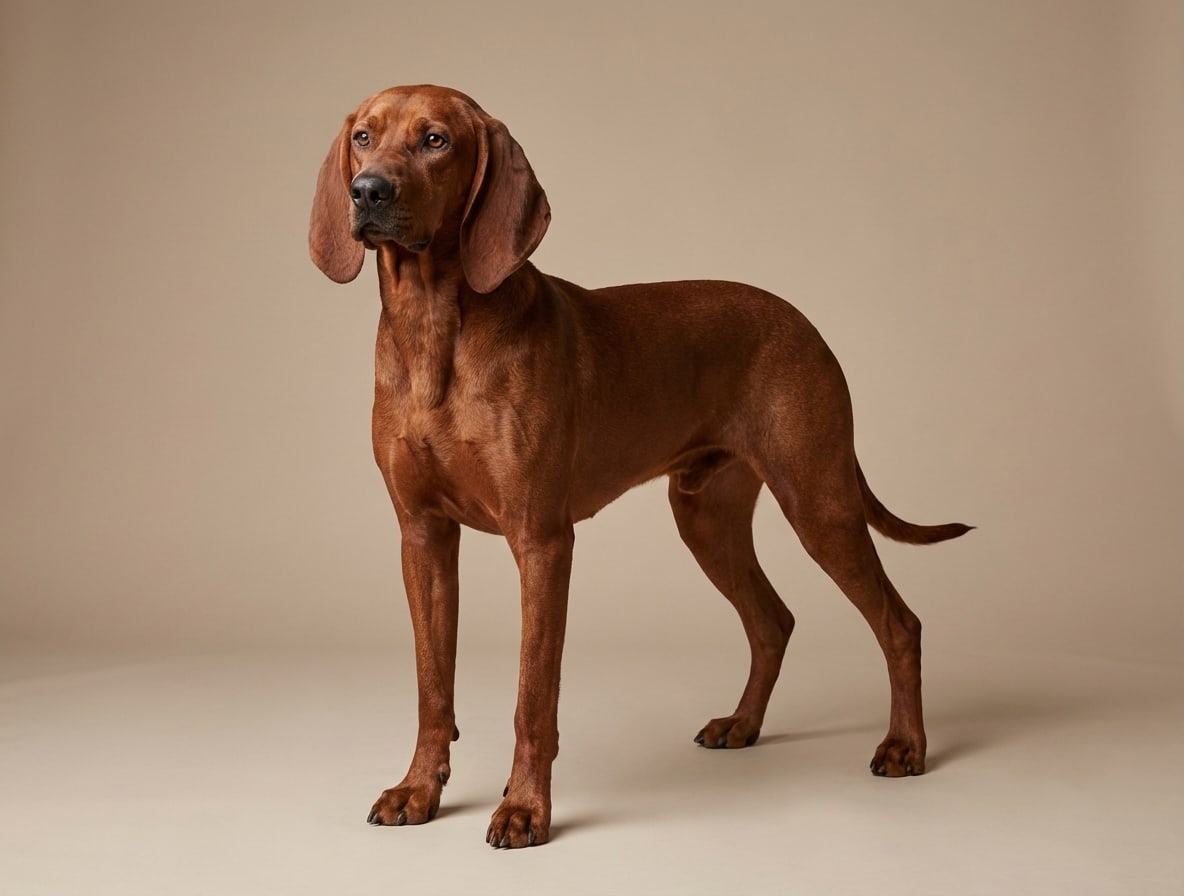
The Rafeiro do Alentejo is a large dog, with a robust and imposing presence. Males typically weigh between 45-60 kg and stand at 66-74 cm tall, while females weigh 40-50 kg and stand at 64-70 cm tall. The breed has a massive head, with small, dark eyes and small, triangular, hanging ears. Its coat is dense and straight, with a medium length, and can be black, fawn, wolf grey, or yellow, often with white markings. This coat is not as thick as that of other pastoral dogs, such as the Polish Tatra.
The breed's body is slightly longer than it is tall, with a broad chest. This physical build, combined with its calm and sober temperament, makes the Rafeiro do Alentejo an effective guardian for livestock and property. The breed's coloration can vary, with solid colors being more common, and the coat's texture contributes to its water-resistant properties, which are beneficial in the region's diverse climate.
Temperament and Behavior
The Rafeiro do Alentejo is known for its calm, confident, and protective nature. Loyal and independent, this breed is alert and capable of effectively guarding its territory. Its temperament is well-suited for its historical role as a flock guardian, as well as for modern uses such as farm and property protection. The breed's low energy level and moderate shedding make it a suitable choice for those looking for a less demanding pet.
This breed's alertness and protective instincts make it an excellent choice for families looking for a dog that can provide security and a sense of safety. The Rafeiro do Alentejo is also known for its intelligence, which allows it to learn quickly and adapt to various situations, making it a versatile companion.
Health and Genetics
Given the breed's history as a working dog, it is advisable to monitor for any signs of musculoskeletal issues or joint problems that could arise from its active heritage. Common concerns include hip dysplasia and elbow dysplasia, which are prevalent in large breeds.
The breed's genetics have been shaped by its role as a flock guardian, emphasizing traits such as strength, resilience, and a keen sense of alertness. However, this also means that certain genetic health conditions may be more prevalent, such as von Willebrand's disease, a bleeding disorder, and degenerative myelopathy, a progressive disease of the spinal cord.
Use and Working Ability
The Rafeiro do Alentejo was traditionally used as a flock guardian dog, protecting extensively-managed flocks from predators. This breed's strength, intelligence, and protective instincts made it an ideal choice for this role. Historic photographs even show that the Rafeiro do Alentejo was among the dogs in the hunting packs of Carlos I, highlighting its versatility and hunting prowess.
In the twenty-first century, the Rafeiro do Alentejo continues to serve as a guardian for farms and other properties, utilizing its natural protective instincts. Additionally, the breed has found a place as a companion animal, bringing its loyalty and calm demeanor into family homes. The breed's working ability is not limited to livestock protection; it has also been trained for search and rescue, police work, and even as a therapy dog.
Breeder Purpose and Registration
The breeder purpose of the Rafeiro do Alentejo is working, reflecting its historical role as a guardian and protector. The breed's recognition by the Clube Português de Canicultura and the Fédération Cynologique Internationale underscores its status as a legitimate and respected breed within the canine community. The breed's stud-book, established in 2006, contains 1165 registered bitches, indicating a growing interest and commitment to maintaining the breed's purity and health.
The establishment of the Associação dos Criadores do Rafeiro do Alentejo and the Centro de Reprodução do Rafeiro do Alentejo demonstrates a concerted effort to preserve and promote the breed. These organizations play a crucial role in ensuring that the Rafeiro do Alentejo remains a viable and thriving breed for generations to come. The breed's registry has strict guidelines for breeding, including health clearances and lineage requirements, to maintain the breed's quality.
Buying a Rafeiro do Alentejo
- Ensure the breeder is a member of the Associação dos Criadores do Rafeiro do Alentejo.
- Ask about the health history of the puppy's parents and any known genetic conditions, such as hip dysplasia or degenerative myelopathy.
- Visit the breeding facility to ensure it is clean and well-maintained, and that the dogs are treated humanely.
- Obtain a contract that outlines the breeder's responsibilities and guarantees, including a health warranty for the puppy.
- Be prepared for the costs associated with owning a large, active dog, including food, veterinary care, and training.
Buying a Rafeiro do Alentejo is a commitment to providing a loving and supportive home for a dog with a rich history and a strong sense of purpose. Potential owners should be prepared for the responsibilities that come with owning a breed that requires a significant investment of time and resources.
Frequently Asked Questions
What is the lifespan of the Rafeiro do Alentejo?
The average lifespan of the Rafeiro do Alentejo is about 12-14 years. Good nutrition and regular veterinary care support a healthy life.
What is the temperament of the Rafeiro do Alentejo?
The Rafeiro do Alentejo is known for: Calm, Confident, Protective, Loyal, Independent, Alert. Its energy level is low.
What size and weight is the Rafeiro do Alentejo?
It is a large dog, typically around Male: 45-60; Female: 40-50 kg as an adult.
Is the Rafeiro do Alentejo easy to care for?
Reliable grooming and shedding ratings are not available. Routine brushing, ear and dental care, and nail trims are still recommended.
Is the Rafeiro do Alentejo good with kids and other pets?
Reliable child- and pet-friendliness ratings are not available. Supervised, gradual introductions are recommended.
How much exercise does the Rafeiro do Alentejo need?
With a low energy level, it needs walks, play or training matched to its stamina.
Rafeiro do Alentejo
Trait Scores
N/A