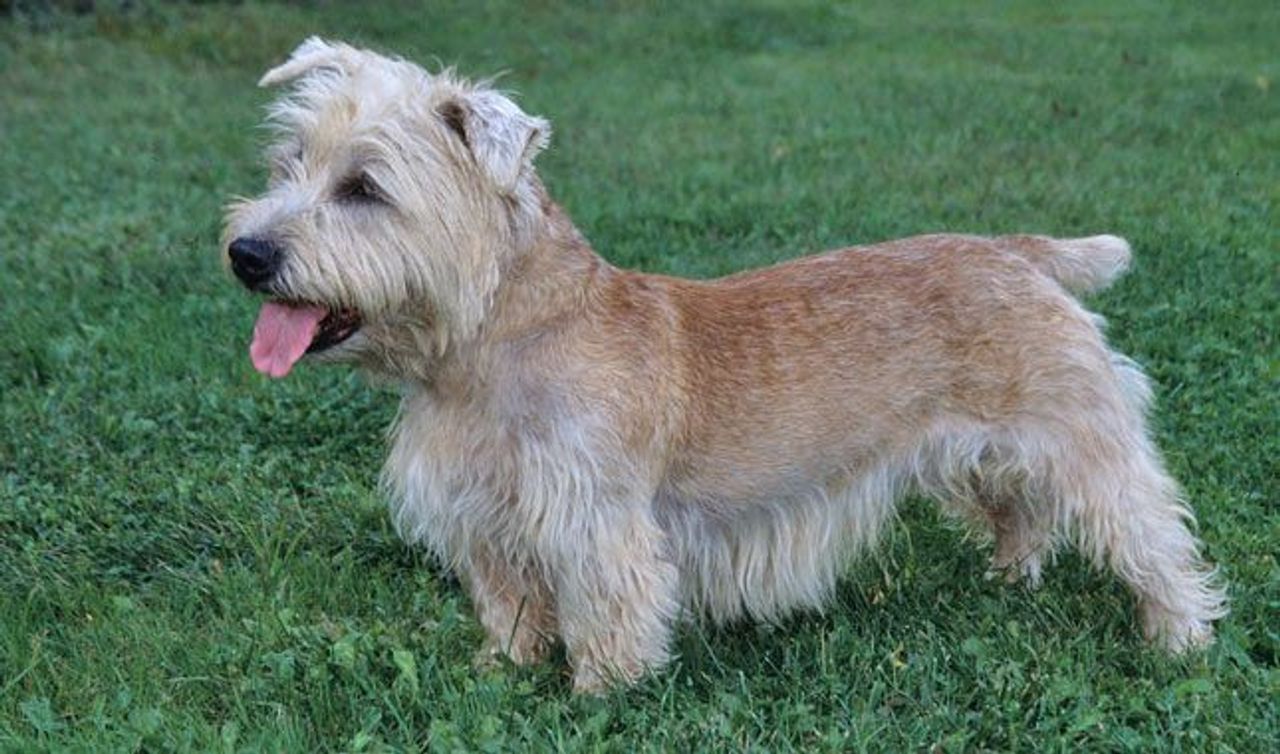
Origin and Historical Significance
The Pyrenean Mountain Dog, known as the Chien de Montagne des Pyrénées in France, originated from the Pyrenees Mountains, which separate France and Spain. This breed, often referred to as the Patou, is a French livestock guardian dog that played a crucial role in protecting flocks from predators such as wolves and bears. The breed's ancestors, including the closely related Pyrenean Mastiff, are believed to have been brought to the region from Asia during Roman times, connecting them genetically to breeds like the Maremmano-Abruzzese Sheepdog of Italy and the Kuvasz of Hungary.
In the 17th century, the breed gained recognition when Madame de Maintenon and Louis, Dauphin of France, introduced a dog of this type to King Louis XIV's court, where it became the Royal Dog of France. The breed was also used by French nobility to guard their châteaux, particularly in the southern regions of the country. French settlers may have contributed to the Newfoundland breed's ancestry by bringing these dogs to Canada.
By the 19th century, the breed's numbers significantly declined after wolves were extirpated from the Pyrenees. It was close to extinction by the early 20th century, but Bernard Senac-Lagrange, a French aristocrat and canine authority, played a pivotal role in rescuing the breed. In 1923, he founded the breed club Réunion des Amateurs de Chiens Pyrénées and established the first breed standard, registering the breed with the Société Centrale Canine. The breed was officially recognized by the Fédération Cynologique Internationale in 1955.
Physical Description and Characteristics
The Pyrenean Mountain Dog is a large, powerfully built dog, with a typical height at the shoulder of 70 to 80 cm (28 to 31 inches) for males and 65 to 75 cm (26 to 30 inches) for females. Healthy adults usually weigh between 55 and 75 kg (120 and 165 pounds). The breed has a proportionate head, with a long, broad, slightly pointed muzzle and tight lips. The small triangular ears lie flat against the head, and the neck is short and strong. The chest is broad and moderately deep, and the tail is long, carried low at rest but curling over the back when the dog is alert.
A distinctive feature of the breed is the presence of double dewclaws on the hind legs, which is considered a disqualifying fault in showing. The breed's double coat is long and thick, providing insulation in harsh mountain weather. The outer coat is flat and particularly long around the neck, tail, and backs of the legs, while the undercoat is fine and dense. The coat color is predominantly white, sometimes with patches of black, badger, grey, or various shades of tan, most commonly on the head.
A study in 2024 reported a median lifespan of 10.9 years for the breed, which is below the overall canine average of 12.5 years. A 2005 Swedish insurance study found that 58% of Pyrenean Mountain Dogs died by age 10, compared with 35% across all breeds.
Temperament and Behavior
The Pyrenean Mountain Dog is known for its gentle, confident, protective, independent, calm, and loyal temperament. The breed is also adaptable and has a moderate level of energy, which can be suitable for active households that can provide them with the mental and physical stimulation they need.
However, the breed may not be the best choice for those seeking a dog with high levels of affection or energy. They are generally friendly but may not be overly affectionate or overly energetic. Their natural guardian instincts mean they are likely to be cautious with strangers, which can be beneficial in a family setting where they can serve as a natural deterrent to potential threats.
Breeding and Development
The Pyrenean Mountain Dog has a rich history in the development of other breeds. In the 1830s, they were among the foundation breeds used in developing the Leonberger. The breed was exported to North America in the early 1930s, where it became known as the Great Pyrenees. The American Kennel Club adopted a new breed standard in 1935, which differed from the French original, promoting exaggerations of certain physical traits. This standard was later adopted by The Kennel Club in Great Britain.
The British Pyrenean Mountain Dog Breed Club issued a brochure in 2011 advising judges not to reward overly glamorous, heavy-bodied, short-muzzled dogs over leaner, more functional examples with weatherproof coats suited to work in mountainous regions. This highlights the ongoing efforts to maintain the breed's original working characteristics and to prevent the development of overly exaggerated show types.
Use as a Livestock Guardian Dog
The Pyrenean Mountain Dog is primarily used as a livestock guardian, a role they have fulfilled for millennia. In the Pyrenean region, they were employed by shepherds to protect flocks from predators, particularly wolves and bears. The breed's strong protective instincts and their ability to remain calm and alert make them effective guardians.
In France, the breed has been used in the Massif Central and Lozère regions to protect flocks from stray dogs. The French ITOVIC conducted an experiment in the early 1980s, providing Pyrenean Mountain Dogs to farmers to guard their flocks. This experiment led to the formation of the APAP, an association dedicated to breeding suitable livestock guardian dogs for farmers.
With the reintroduction of wolves into France in the 1990s, the Pyrenean Mountain Dog has once again become a valuable asset in protecting flocks. The French government has provided subsidies for the purchase, training, and upkeep of these dogs. Similar measures have been implemented to protect flocks from bear predation in the Pyrenees.
Use in the United States
In the United States, Pyrenean Mountain Dogs have been used by sheep farmers since the late 1970s to protect their flocks from predators such as coyotes, black bears, cougars, and grizzly bears. A survey in 1986 found that 57% of farmers employing livestock guardian dogs used Pyrenean Mountain Dogs, making them one of the most popular choices for this role.
The breed's adaptability and effectiveness in protecting against a variety of predators have contributed to their popularity in the US.
Non-Pastoral Uses
While primarily a working breed, the Pyrenean Mountain Dog has also been used for non-pastoral purposes. In France, the breed was used by the nobility to guard their châteaux, particularly in the southern regions. They were also employed to smuggle contraband between France and Spain, carrying packs over the Pyrenees to avoid detection by customs officials.
Buying a Pyrenean Mountain Dog
When considering the purchase of a Pyrenean Mountain Dog, potential owners should be aware of the breed's size, energy level, and grooming needs. Males typically weigh between 45 and 73 kg (99 and 161 pounds), while females weigh between 39 and 52 kg (86 and 115 pounds). Their energy level is low, making them suitable for less active households. Grooming needs are moderate, with a thick double coat that requires regular brushing.
Potential owners should also be prepared for the breed's lifespan, which is typically between 10 and 12 years.
It is also wise to meet the dog's parents to assess the potential temperament and appearance of the puppy.
Frequently Asked Questions
What is the lifespan of the Pyrenean Mountain Dog?
The average lifespan of the Pyrenean Mountain Dog is about 10-12 years. Good nutrition and regular veterinary care support a healthy life.
What is the temperament of the Pyrenean Mountain Dog?
The Pyrenean Mountain Dog is known for: Gentle, Confident, Protective, Independent, Calm, Loyal. Its energy level is low.
What size and weight is the Pyrenean Mountain Dog?
It is a large dog, typically around Male: 45-73; Female: 39-52 kg as an adult.
Is the Pyrenean Mountain Dog easy to care for?
Reliable grooming and shedding ratings are not available. Routine brushing, ear and dental care, and nail trims are still recommended.
Is the Pyrenean Mountain Dog good with kids and other pets?
Reliable child- and pet-friendliness ratings are not available. Supervised, gradual introductions are recommended.
How much exercise does the Pyrenean Mountain Dog need?
With a low energy level, it needs walks, play or training matched to its stamina.
Pyrenean Mountain Dog
Trait Scores
N/A