Origin and Development of the Pyredoodle
The Pyredoodle is a large mixed breed dog, originating in the United States. This breed was created by crossing a Great Pyrenees with a Standard Poodle, a combination that sought to capitalize on the Poodle's intelligence and low-shedding coat, as well as the Great Pyrenees' calm and protective nature.
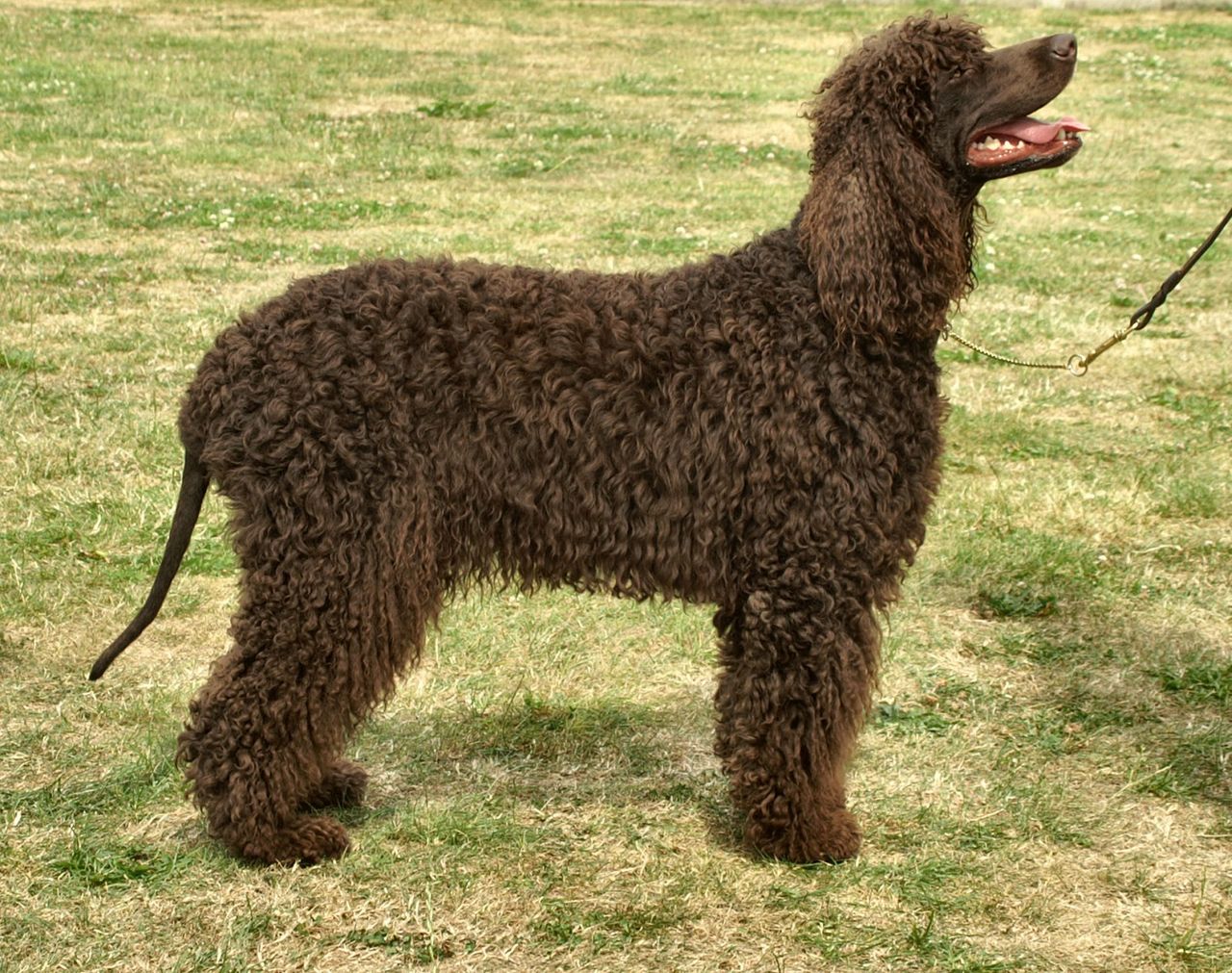
The Poodle, one of the parent breeds of the Pyredoodle, likely originated in Germany, although there are theories suggesting a French origin. The breed has a rich history dating back to at least the 17th century, with larger Poodles originally used by wildfowl hunters to retrieve game from water, while smaller varieties were once commonly used as circus performers.
The Standard Poodle, another parent breed of the Pyredoodle, was recognized by the Kennel Club of the United Kingdom in 1874 and by the American Kennel Club (AKC) in 1886. Since then, Poodles have gained immense popularity as pets and show dogs, with the Standard Poodle being the AKC's most registered breed from 1960 to 1982. The breed's popularity can be attributed to its versatility, intelligence, and distinctive appearance.
Pyredoodles became popular as a hybrid breed in the 21st century, with the first documented crossing occurring in the early 2000s. The breed has gained popularity due to its attractive appearance and desirable temperament, making it a sought-after family pet and companion dog.
Breed Characteristics
The Pyredoodle has a sturdy build and a coat that can be either wavy or curly, with traits varying significantly. This breed is known for its intelligence, loyalty, gentleness, protective nature, calmness, and affectionate temperament.
With an adult weight ranging from 34 to 54 kg for females and 39 to 54 kg for males, and a height of 56 to 81 cm for females and 64 to 81 cm for males, the Pyredoodle is a substantial and imposing breed. Its life span is typically between 10 to 13 years, which is consistent with the longevity of both parent breeds.
The breed has a medium-length coat, which is neither excessively long nor short, and sheds at a medium level. Despite the shedding, the Pyredoodle is not considered hypoallergenic, as indicated by the rating of 0 out of 5 in the hypoallergenic flag. This means that individuals with severe allergies may still experience discomfort when around the breed.
Temperament and Personality
The Pyredoodle is intelligent, which makes it highly trainable. This trait is inherited from the Poodle parent, which is particularly adept at learning from humans. The breed is also loyal, gentle, and protective, traits that come from the Great Pyrenees side of its heritage. This combination makes the Pyredoodle a great choice for families and individuals looking for a dog that can be both a loyal companion and a guardian.
The breed's temperament is well-suited for homes with children, as it is friendly and gentle with them. This makes the Pyredoodle a great family pet, capable of forming strong bonds with children and providing them with affection and protection.
Additionally, the Pyredoodle is generally good with other pets and can be a great addition to multi-pet households. Their sociable nature and adaptability make them well-suited for various living situations, from urban apartments to rural homes.
Care and Grooming
While the Pyredoodle is not considered hypoallergenic, proper grooming can help minimize shedding and reduce allergen exposure for sensitive individuals.
Since the Pyredoodle inherits the Poodle's intelligence, training can be a fun and rewarding experience.
Health Considerations
For instance, the Poodle is known to have a higher risk of hip dysplasia, a condition that can cause pain and mobility issues. Pyredoodles may also be prone to other health conditions inherited from their parent breeds, such as elbow dysplasia, eye disorders, and von Willebrand's disease.
Choosing a Pyredoodle
The breed's size and energy level should match your lifestyle and living situation. If you live in a small apartment, a Pyredoodle's large size and moderate energy level might not be the best fit. These dogs require ample space to roam and exercise, as well as a home that can accommodate their size.
Given the Pyredoodle's potential health issues, it is advisable to work with reputable breeders who prioritize the health and well-being of their dogs. Responsible breeders conduct health screenings on their breeding dogs to minimize the risk of passing on hereditary conditions.
Cost is also a consideration. While the initial cost of purchasing a Pyredoodle may be higher than some other breeds, ongoing expenses such as grooming, veterinary care, and food should be factored into your budget.
Frequently Asked Questions
What is the lifespan of the Pyredoodle?
The average lifespan of the Pyredoodle is about 10-13 years. Good nutrition and regular veterinary care support a healthy life.
What is the temperament of the Pyredoodle?
The Pyredoodle is known for: Intelligent, Loyal, Gentle, Protective, Calm, Affectionate. Its energy level is low.
What size and weight is the Pyredoodle?
It is a large dog, typically around Male: 39-54; Female: 34-48 kg as an adult.
Is the Pyredoodle easy to care for?
Reliable grooming and shedding ratings are not available. Routine brushing, ear and dental care, and nail trims are still recommended.
Is the Pyredoodle good with kids and other pets?
Reliable child- and pet-friendliness ratings are not available. Supervised, gradual introductions are recommended.
How much exercise does the Pyredoodle need?
With a low energy level, it needs walks, play or training matched to its stamina.
Pyredoodle
Trait Scores
N/A