Origin and History
The Pungsan dog, named for its origin in Kimhyonggwon County, which was formerly Pungsan County, is a breed with a rich history tracing back to the Kaema Plateau region in North Korea. This region, known for its mountainous terrain, has been the natural habitat of the Pungsan for generations, shaping their resilience and adaptability to harsh climates. Initially bred for hunting purposes, the Pungsan dog has become a rare breed, often smuggled over the North Korea–China border. The breed was recognized as a national monument of North Korea in April 1956 and later declared the national dog of the Democratic People's Republic of Korea (DPRK) in 2014.
During the Japanese colonial period, the Pungsan dog was first recognized as a national symbol in the Korean peninsula. Its remarkable endurance and tenacity made it valuable for hunting tigers, bears, and boars, not only in North Korea but also in Russia. The breed has been bred in isolation from other provinces, which has contributed to its unique characteristics.
The Pungsan dog has played a significant role in inter-Korean relations. During the 2000 inter-Korean summit, North Korean leader Kim Jong-il gifted two Pungsan dogs to South Korean president Kim Dae-jung, a gesture that symbolized unity and independence. These dogs, named Dangyol (Unity) and Jaju (Independence), were later renamed Uri (meaning We) and Duri (Two) and lived in the Blue House before being moved to the Seoul Zoo, where they produced 15 puppies before passing away at the age of 13. In 2018, another pair of Pungsan dogs, Songkang and Gomi, were gifted by Kim Jong-un to Moon Jae-in, symbolizing peace and friendship.
Historical records indicate that the Pungsan dog was selectively bred for its hunting abilities, particularly its prowess in taking down large game. The breed's intelligence and agility were highly valued, and it was often trained to perform specific tasks such as retrieving game or tracking animals. This selective breeding has resulted in a dog that is both physically and mentally strong, capable of enduring long periods in the wilderness.
This has also contributed to the breed's distinct appearance and temperament, making it a highly sought-after dog among enthusiasts.
Breed Characteristics
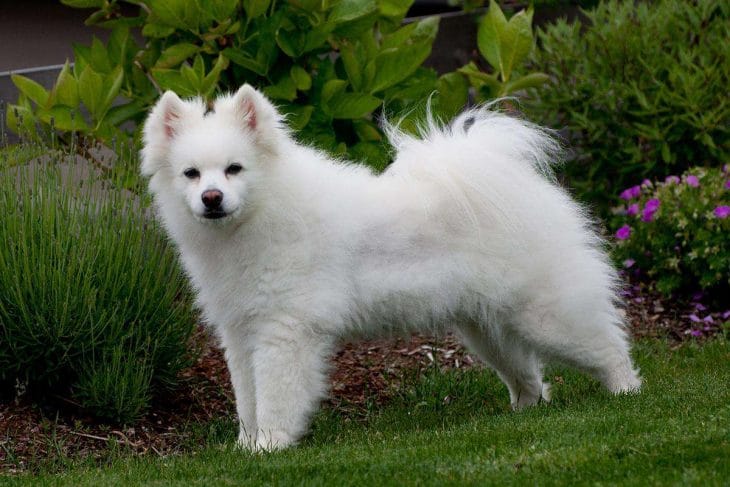
The Pungsan dog is a medium to large spitz-type hunting dog, known for its thick white double coat and wolf-like appearance. This breed stands out with a lifespan of 12-15 years, and its adult weight ranges from 20-30 kg for females and 25-36 kg for males. In terms of height, males typically reach 55-62 cm, while females stand at 51-57 cm. Despite their size, Pungsan dogs are characterized by medium energy levels, making them suitable for a variety of environments.
Temperamentally, Pungsan dogs are loyal, courageous, intelligent, and alert. They are known for their independence, which can sometimes manifest as a lower level of friendliness. Their shedding is considered medium, and they are highly trainable, making them a versatile breed for various activities. This includes not only hunting but also obedience training, agility, and other dog sports.
Despite their strength and resilience, Pungsan dogs are renowned for their noble temperament. They are generally gentle and do not recklessly attack weaker individuals. This breed is said to rarely bark or engage in fights without reason, making them well-mannered and loyal companions in daily life. Their protective nature also makes them excellent guard dogs, though they are not typically aggressive unless provoked.
Owners of Pungsan dogs should be prepared for a dog that requires a moderate amount of exercise to stay healthy and happy.
Breed Standard and Physical Appearance
The Pungsan dog has a distinctive appearance that includes a thick white double coat, which provides insulation against the cold mountain climates of its native region. The outer coat is straight and lies close to the body, while the undercoat is dense and soft, offering protection from the elements.
The breed's size and build are well-suited for hunting, with a large and muscular body that enables them to pursue and capture prey. Their height and weight are proportional to their frame, ensuring they can handle the physical demands of hunting in rugged terrain. The Pungsan dog's legs are strong and well-muscled, providing stability and agility.
Despite their physical prowess, Pungsan dogs are also known for their wolf-like appearance, which has contributed to their legend as a resilient breed. This unique physical trait, along with their noble temperament, has made them a cherished breed in their native country. Their ears are typically pointed and alert, and their eyes are almond-shaped and dark, emphasizing their wolf-like features.
The Pungsan dog's coat is one of its most distinctive features, and it is subject to specific standards. The coat should be free from mats and tangles, and any discoloration or damage should be avoided. The color is always white, and any deviation from this is considered a fault.
Culture and Recognition
The Pungsan dog has been celebrated in both film and literature. The 2010 children's animated film "Story of the Pungsan Dog" and Paek Myeong Kil's 2017 novel "Pungsan Dogs" have both promoted the breed as a national symbol. These cultural representations have helped to raise awareness of the Pungsan dog and its significance in Korean history and culture.
Additionally, dog shows are held specifically for the Pungsan breed, providing an opportunity for enthusiasts to showcase their dogs and celebrate the breed's unique qualities. These events serve as a platform for breeders and owners to connect and share their passion for the Pungsan dog. The shows often feature categories such as conformation, obedience, and agility, showcasing the versatility of the breed.
The breed's cultural significance is further highlighted by its recognition as a national monument and national dog of North Korea, reflecting the deep respect and admiration held for this remarkable breed. This recognition has also helped to preserve the breed's heritage and ensure its future.
International recognition of the Pungsan dog has been limited due to its rarity and the political situation in North Korea. However, there have been efforts to promote the breed internationally, including through participation in international dog shows and the establishment of breed clubs in countries with a significant Korean diaspora.
Health and Genetic Considerations
The Pungsan dog has a robust health profile, thanks to its strong physical endurance and resistance to cold and diseases. However, as with any breed, there may be potential health issues that owners should be aware of. These include hip dysplasia, which can affect large breeds, and skin allergies, which can be exacerbated by their thick coat.
While the breed is generally gentle and loyal, owners should be prepared for potential challenges related to their independence and temperament. Some Pungsan dogs may exhibit shy or aggressive behavior if not properly socialized and trained.
Genetic testing is available for certain conditions that may affect the Pungsan dog, such as hip dysplasia and eye disorders. Responsible breeders conduct these tests to ensure the health and welfare of their dogs and to prevent the spread of genetic diseases within the breed.
Buying a Pungsan Dog: Practical Considerations
Due to the breed's rarity, it may be more challenging to find a Pungsan dog, and prices may vary depending on the breeder and the dog's lineage. Pups from reputable breeders may cost several thousand dollars, and the price may increase if the dog has a strong bloodline or if it is a show-quality animal.
While the breed is considered hypoallergenic, owners with allergies should still consult with a veterinarian before bringing a Pungsan dog into their home. The breed's thick coat can produce dander, and some individuals may still experience allergic reactions.
Pungsan dogs are highly trainable and adaptable, making them suitable for various lifestyles. However, their independence and loyalty require a dedicated owner who is willing to invest time and effort into their training and care.
The breeder should also be able to provide information about the dog's lineage and any known health issues within the family.
Frequently Asked Questions
What is the lifespan of the Pungsan?
The average lifespan of the Pungsan is about 12-15 years. Good nutrition and regular veterinary care support a healthy life.
What is the temperament of the Pungsan?
The Pungsan is known for: Loyal, Courageous, Intelligent, Alert, Independent. Its energy level is moderate.
What size and weight is the Pungsan?
It is a large dog, typically around Male: 25-36; Female: 20-30 kg as an adult.
Is the Pungsan easy to care for?
Reliable grooming and shedding ratings are not available. Routine brushing, ear and dental care, and nail trims are still recommended.
Is the Pungsan good with kids and other pets?
Reliable child- and pet-friendliness ratings are not available. Supervised, gradual introductions are recommended.
How much exercise does the Pungsan need?
With a moderate energy level, it needs walks, play or training matched to its stamina.
Pungsan
Trait Scores
N/A