Origin and History
The Puggle, a small to medium-sized mixed breed, originated in the 1990s in the United States. This breed was developed through accidental matings between Pugs and Beagles. The first planned cross between these two breeds occurred in Oklahoma during the 1990s. The name "Puggle" emerged in 2002, and since then, it has gained significant popularity in the United States, becoming a popular designer dog crossbreed.
The Puggle's rise in popularity has been attributed to its unique appearance, which combines the wrinkled forehead and black mask of the Pug with the hound-like face and sturdy body of the Beagle. This mix has also caught the attention of several celebrity owners, including Paris Hilton and Sarah Jessica Parker, further boosting the breed's popularity.
In 2005, the Puggle was named the "Hottest Dog," a title that reflected its appeal to both pet owners and the media. Its popularity continued to soar, with sales figures peaking in 2006, highlighting its status as a favorite among dog enthusiasts. The American Canine Hybrid Club (ACHC) recognized the Puggle as a hybrid breed in 2004, further solidifying its place in the canine world.
Appearance
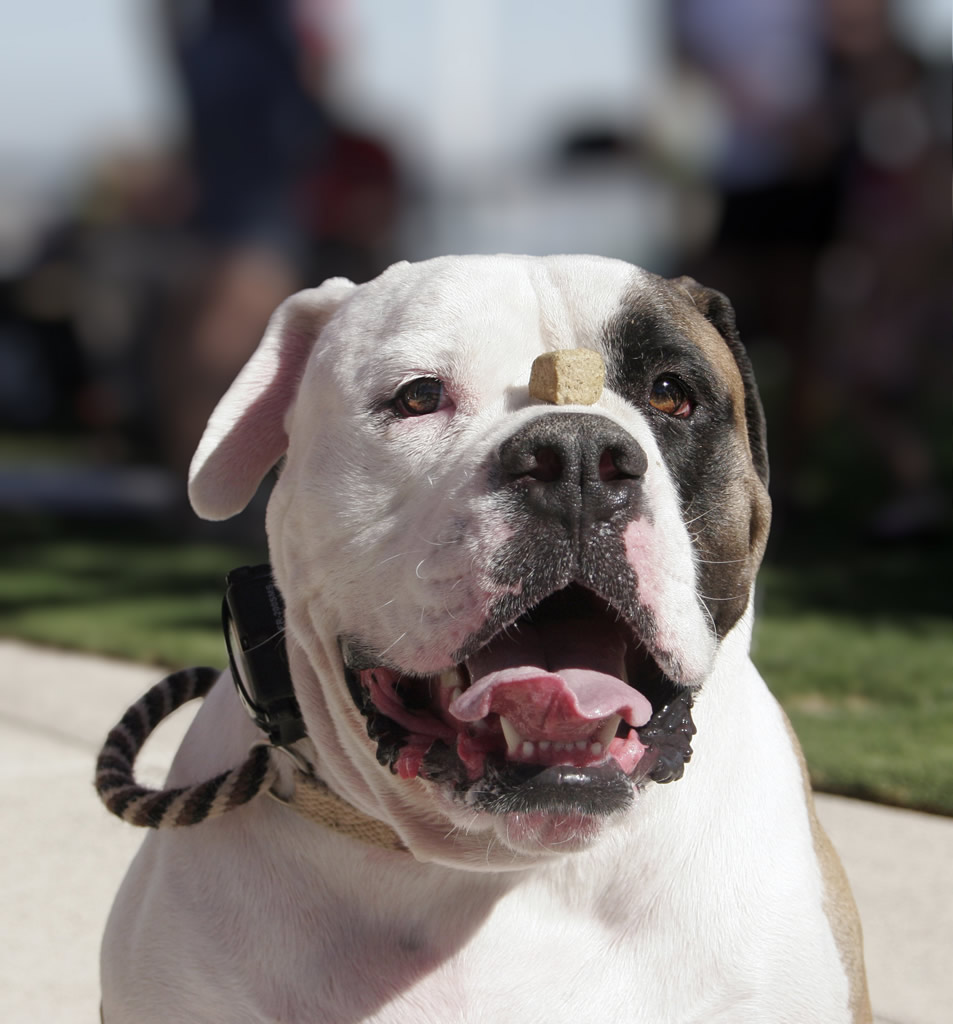
Puggles typically exhibit a mix of traits from both parent breeds. They usually have the wrinkled forehead and black mask of the Pug, which is a distinct feature of this breed. Their tails are curled, reminiscent of the Beagle, and their overall appearance is one of strength and agility. Puggles come in a variety of colors, including black, fawn, and apricot, with or without a white blaze and/or white on the feet and chest.
Despite the variation in appearance, Puggles generally have a friendly and outgoing demeanor, which is a characteristic inherited from both the Pug and the Beagle. Their size ranges from medium, with adult weights typically between 6-14 kg, and heights between 25-38 cm. The breed standard for Puggles, as set by the ACHC, specifies a weight range of 8-18 pounds (3.6-8.2 kg) and a height range of 12-15 inches (30.5-38 cm) at the withers.
Temperament and Behavior
Puggles are known for their friendly, playful, and affectionate nature. They are highly energetic and intelligent, making them great companions for families with active lifestyles. Puggles are also known for their loyalty and can form strong bonds with their owners.
While Puggles are less likely to inherit the energy and scent drive of the Beagle, they may still exhibit behaviors typical of either parent breed. This unpredictability is part of the charm of this mixed breed, as it often results in a unique and endearing personality. Puggles are often described as "people-oriented" and enjoy being the center of attention.
It's important for Puggle owners to provide consistent training and mental stimulation to channel their energy and intelligence effectively. This helps ensure that they remain well-behaved and happy pets. Puggles are often eager to please and can be trained for various dog sports and activities.
Health Considerations
Like many mixed breeds, Puggles can inherit health issues from both parent breeds. One notable advantage is that Puggles tend to have longer snouts than Pugs, which can reduce breathing problems and other health issues associated with short snouts. However, they may still be prone to certain conditions, including eye diseases such as cherry eye, corneal ulcers, and glaucoma; luxating patella, where the kneecap can slip out of place; hip dysplasia, a malformed hip joint; and Legg-Calvé-Perthes disease, a condition affecting the hip joint in young dogs.
Another common health concern in Puggles is the prolapsed nictitating membrane gland, which is not as prevalent in either the Pug or the Beagle. This condition can cause discomfort and require veterinary intervention.
Lifestyle and Care
Daily brushing can help keep their coat healthy and reduce shedding. Regular baths are also important to keep the Puggle's skin and coat in good condition. Puggles have a short, smooth coat that is easy to maintain.
They enjoy walks, runs, and playtime, which help them stay physically and mentally healthy. Mental stimulation, such as puzzle toys and training exercises, is also important to keep their intelligent minds engaged. Puggles are known for their love of play and can be quite the athlete.
They are best suited for families or individuals who can dedicate time to their care and training. Puggles require a moderate amount of exercise to stay healthy and happy, but they can adapt to varying levels of activity depending on their individual energy levels.
Adaptability and Compatibility
Puggles are adaptable to various living situations, including apartments and homes with yards.
Buying a Puggle
Health clearances for Puggles typically include evaluations for hip dysplasia, elbow dysplasia, and eye diseases. It's also advisable to meet the puppy's parents to get a sense of the temperament and health of the breed. Responsible breeders will provide health clearances and will be transparent about the health history of their dogs.
Remember that owning a Puggle is a long-term commitment, with a lifespan of 10-15 years.
- Health clearances for hip dysplasia, elbow dysplasia, and eye diseases
- Meet the puppy's parents to assess temperament and health
- Be prepared for the long-term commitment of a Puggle
Cost and Ownership Realism
The cost of a Puggle can vary, but on average, you can expect to pay between $500 and $1500 for a puppy from a reputable breeder. This cost includes the purchase price of the puppy as well as the initial vet check-ups, vaccinations, and spaying or neutering.
Ownership of a Puggle also involves ongoing costs, including food, grooming, veterinary care, and other supplies. The breed's high energy levels and intelligence also mean that they can be expensive to train and keep entertained.
Frequently Asked Questions
What is the lifespan of the Puggle?
The average lifespan of the Puggle is about 10-15 years. Good nutrition and regular veterinary care support a healthy life.
What is the temperament of the Puggle?
The Puggle is known for: Friendly, Playful, Affectionate, Outgoing, Energetic, Intelligent. Its energy level is high.
What size and weight is the Puggle?
It is a medium-sized dog, typically around 6-14 kg as an adult.
Is the Puggle easy to care for?
Reliable grooming and shedding ratings are not available. Routine brushing, ear and dental care, and nail trims are still recommended.
Is the Puggle good with kids and other pets?
Reliable child- and pet-friendliness ratings are not available. Supervised, gradual introductions are recommended.
How much exercise does the Puggle need?
With a high energy level, it needs walks, play or training matched to its stamina.
Puggle
Trait Scores
N/A