Origin and History
The Pudelpointer, a versatile hunting dog breed, originated in Germany. It was developed through a cross between the standard poodle and the English Pointer, a process initiated by German breeder Baron 'Hegewald' von Zedlitz in 1881. The breed was created to be an all-around hunting dog, capable of working both on land and in water.
Baron von Zedlitz started with seven poodles and 90 different pointers, aiming to create a dog that was intelligent, easy to train, and had a strong desire for hunting and retrieving. The original sire was Tell, an English Pointer owned by Kaiser Frederick III, and the original dam was a German hunting pudel named Molly. This crossbreeding effort resulted in a balanced hunting dog that combined the poodle's love for water and retrieving with the Pointer's strong hunting instincts and excellent nose.
The Pudelpointer was introduced to North America in 1956 by Bodo Winterhelt, who played a significant role in maintaining the breed standard until his death in 2018. Winterhelt's Winterhelle Kennel became the foundation of the breed in North America, and in 1977, he founded the Pudelpointer Club of North America in Canada. Despite its versatility and performance, the Pudelpointer never gained widespread popularity in the United States due to breeders' active avoidance of American Kennel Club (AKC) recognition, as they feared it would shift the focus from function to form.
Baron von Zedlitz's initial breeding program was a response to the need for a dog that could perform multiple roles in the field, including retrieving game from water, tracking, and pointing.
Historical records indicate that the Pudelpointer was first recognized by the German Kennel Club in 1925. This recognition marked the breed's official entry into the world of organized dog breeding, solidifying its status as a distinct and purposeful breed.
Appearance and Physical Characteristics
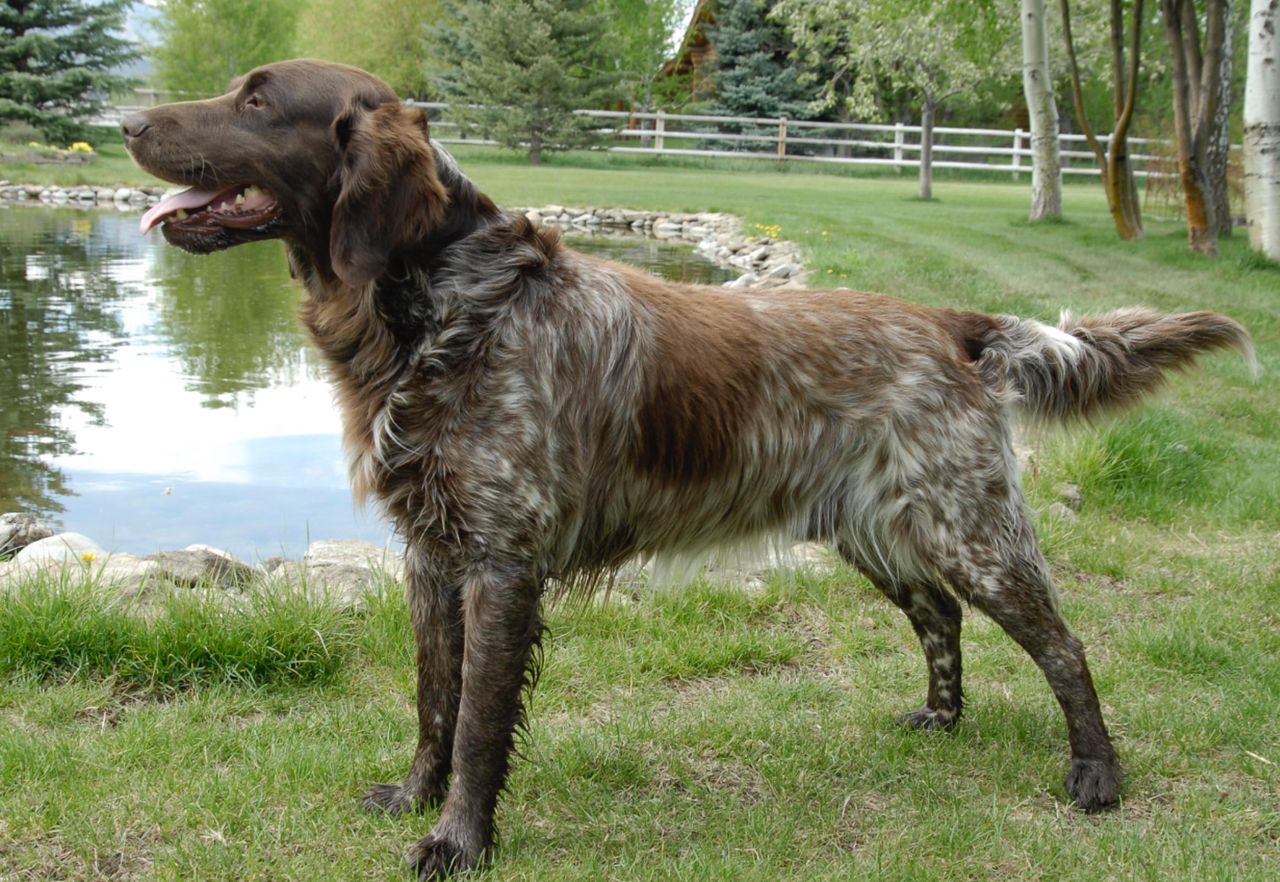
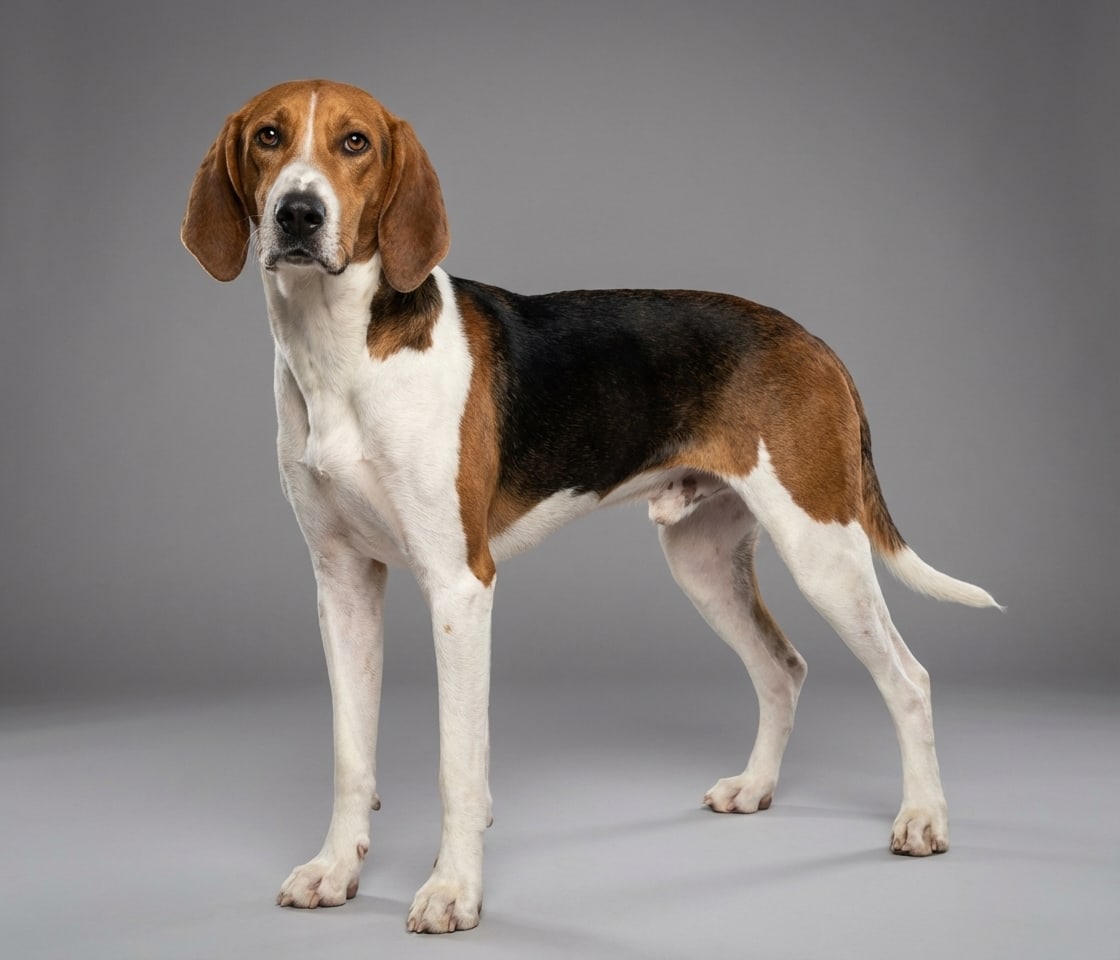
The Pudelpointer is a medium to large dog, weighing between 20 and 30 kg (44 to 66 lb) and standing 53 to 66 cm (21 to 26 in) at the shoulder. The breed comes in liver, chestnut, and occasionally black coats, characterized by a harsh, wiry, and dense coat that sheds very little.
The Pudelpointer's coat length is medium, and its energy level is high, reflecting its versatile hunting background. The breed is known for its keen, energetic temperament and is eager to please, making it highly trainable. Despite its high energy, the Pudelpointer is not overly friendly with strangers, which is a trait often associated with hunting dogs.
The Pudelpointer's height ranges from 53 to 64 cm (21 to 25 in) for females and 56 to 69 cm (22 to 27 in) for males. This size variation allows the breed to excel in various hunting roles, from retrieving game in dense cover to pointing out birds in open fields.
Coat color standards for the Pudelpointer include liver, chestnut, and black, with solid colors preferred over patterns. The coat's texture is a key factor in the breed's waterfowl hunting capabilities, as it allows the dog to work effectively in both land and water environments.
Temperament and Personality
The Pudelpointer is an intelligent and loyal dog, known for its eager-to-please nature. This breed is highly focused on work and is energetic and playful, making it an excellent choice for active households. The Pudelpointer's temperament is a blend of the Poodle's intelligence and the Pointer's keenness and energy.
This breed is known for its strong hunting instincts, which can make it somewhat reserved around strangers.
Historically, the Pudelpointer's temperament has been valued for its ability to work independently yet remain responsive to its handler's commands.
Health and Care
The Pudelpointer has a lifespan of 11 to 14 years, which is typical for a medium to large dog. However, like all breeds, they are prone to certain health conditions.
Common health concerns for the Pudelpointer include hip dysplasia, which can cause pain and mobility issues, and eye disorders such as cataracts and progressive retinal atrophy.
The breed's high energy level requires a consistent exercise routine, including daily walks, runs, and playtime.
Breeding Standards and Performance
The Pudelpointer is a sporting breed, bred for its exceptional performance in the field. Before being approved for breeding, dogs and bitches must pass a Hunt Test, which evaluates their field, tracking, and water skills. This test is set by various breed clubs, including the Verein Pudelpointer in Germany and clubs in North America such as NAPPA, PCNA, and VPP-GNA.
The North American Versatile Hunting Dog Association (NAVHDA) also tests Pudelpointers and other versatile hunting dog breeds. This rigorous testing ensures that breeding stock meets the high standards required for the breed's performance and health.
Despite the Pudelpointer's performance focus, breeders have actively avoided AKC recognition to prevent a shift in emphasis from function to form, which could potentially lead to a division of the breed into show and working classes. This decision reflects the breeders' commitment to maintaining the Pudelpointer's original purpose and characteristics.
Historical records indicate that the first Hunt Test for the Pudelpointer was held in Germany in 1925, marking the beginning of formalized testing for the breed. This tradition has continued, with the breed's performance standards being continually refined to ensure the Pudelpointer remains a top-performing hunting dog.
Living with a Pudelpointer
Living with a Pudelpointer requires an active and engaged lifestyle.
Given their intelligent nature, Pudelpointers are highly trainable and can excel in obedience and agility training. They respond well to positive reinforcement and enjoy the challenge of learning new tasks. This trainability is a direct result of the breed's hunting background, where dogs were trained to perform specific tasks in the field.
While the Pudelpointer is not overly friendly with strangers, they can be quite affectionate with their family. This selective sociability is a trait that has been maintained through selective breeding, ensuring that the breed remains focused on its original purpose.
Historical accounts from hunters who used Pudelpointers describe the breed's loyalty and dedication to their work.
Buying a Pudelpointer
A good breeder will be able to provide health clearances and ensure that the puppy comes from a healthy and loving home. This includes genetic testing for conditions such as hip dysplasia and eye disorders.
It's also essential to consider the costs associated with owning a Pudelpointer. In addition to the initial purchase price, which can range from $1,500 to $3,000 depending on the breeder and the dog's lineage, there are ongoing costs for food, veterinary care, grooming, and training. The Pudelpointer's high energy level means that they require a significant investment of time and resources.
Before bringing a Pudelpointer into your home, ensure that you have the space and lifestyle to accommodate their needs. This includes access to a secure area for exercise and a commitment to providing regular mental and physical stimulation.
Historical data suggests that the Pudelpointer's popularity as a family pet has been growing, with more owners recognizing the breed's versatility and companionship. However, potential owners should be prepared for the breed's high energy and the responsibilities that come with owning a dog of this caliber.
Frequently Asked Questions
What is the lifespan of the Pudelpointer?
The average lifespan of the Pudelpointer is about 11-14 years. Good nutrition and regular veterinary care support a healthy life.
What is the temperament of the Pudelpointer?
The Pudelpointer is known for: Intelligent, Loyal, Eager to Please, Work-focused, Energetic, Playful. Its energy level is high.
What size and weight is the Pudelpointer?
It is a large dog, typically around Male: 25-32; Female: 20-29 kg as an adult.
Is the Pudelpointer easy to care for?
Reliable grooming and shedding ratings are not available. Routine brushing, ear and dental care, and nail trims are still recommended.
Is the Pudelpointer good with kids and other pets?
Reliable child- and pet-friendliness ratings are not available. Supervised, gradual introductions are recommended.
How much exercise does the Pudelpointer need?
With a high energy level, it needs walks, play or training matched to its stamina.
Pudelpointer
Trait Scores
N/A