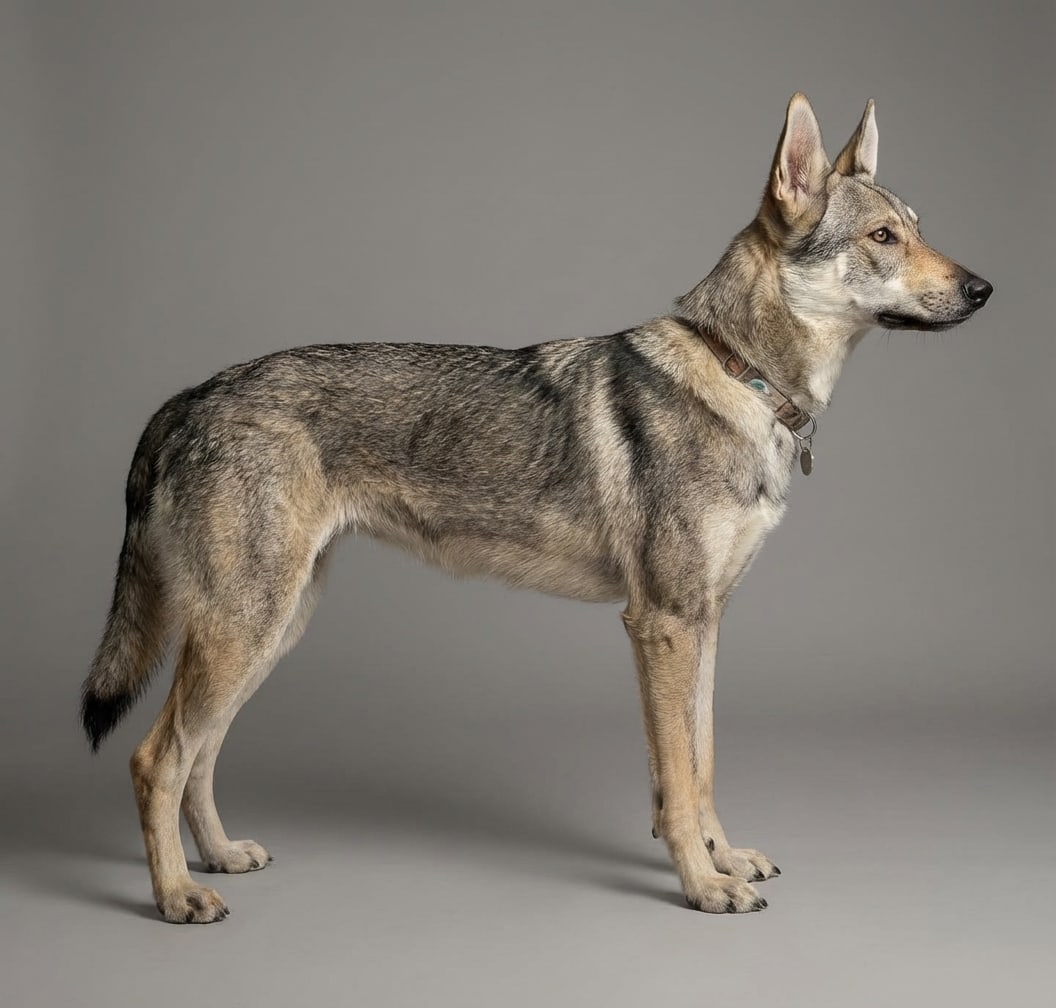
Origin and History
The Portuguese Pointer, also known as the Perdigueiro Português, has its origins deeply rooted in Portugal. This breed was developed for its exceptional hunting abilities, particularly in pointing red-legged partridge. The breed's first standard was established in 1939, reflecting the breed's physical characteristics and hunting capabilities. It was not until 1955 that the Fédération Cynologique Internationale (FCI) officially recognized the breed. By 2006, the stud-book recorded 1805 bitches, indicating a growing popularity and recognition of the breed within the canine registry.
Historically, the Portuguese Pointer was favored by Portuguese hunters for its keen sense of smell, excellent tracking abilities, and its distinctive pointing style. The breed's development was influenced by the need for a dog that could work in dense forests and across varied terrains, which shaped its physical and temperamental traits.
Breed Characteristics
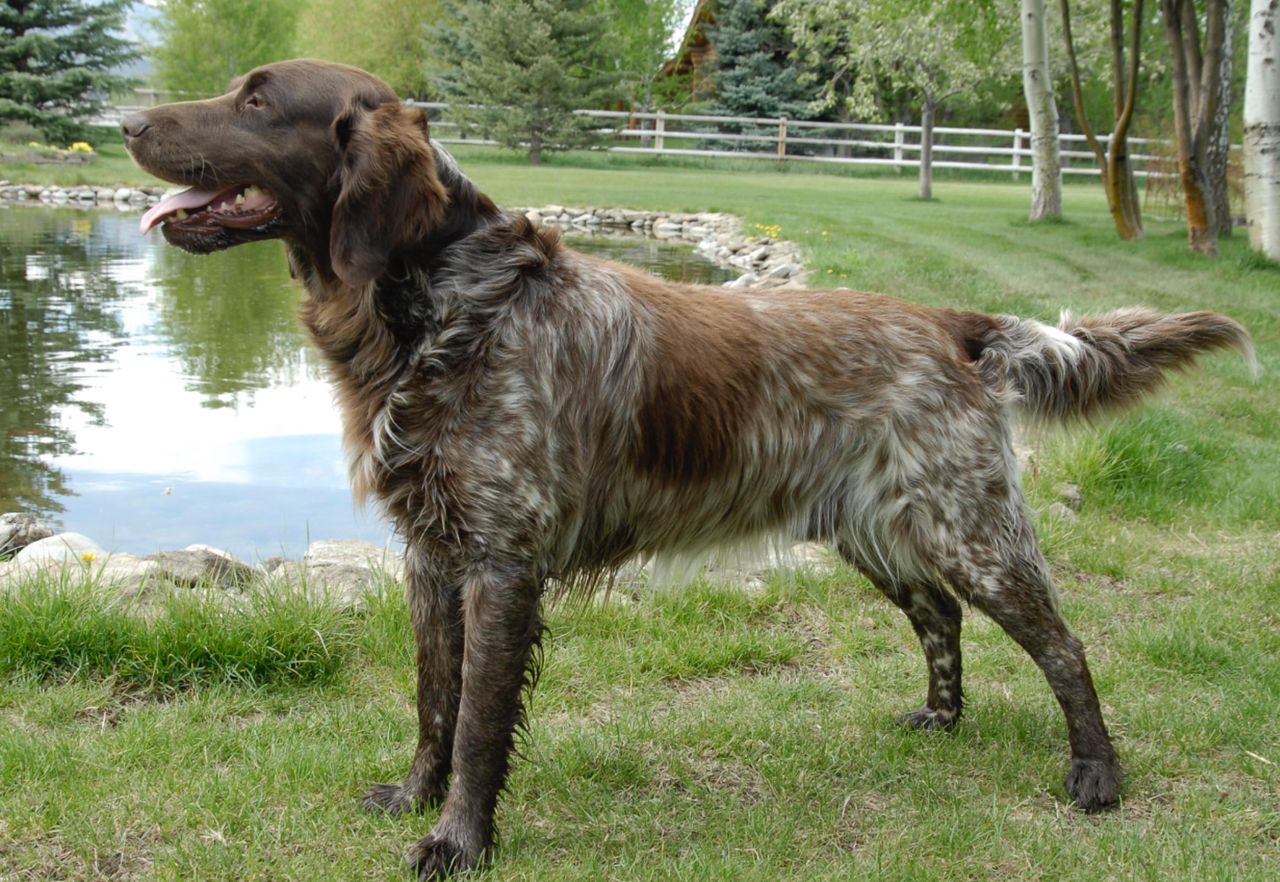
The Portuguese Pointer is a medium-sized dog known for its noble and elegant appearance. Males typically stand at a height of 54 to 60 cm at the withers, while females range from 50 to 56 cm. Males weigh between 20 to 27 kg, and females between 16 to 22 kg. This breed is characterized by a short, dense coat that is close and coarse to the touch. The coat color is predominantly yellow, ranging from light to dark, and often includes white markings on the head, neck, chest, lower legs, and the tip of the tail. These markings serve practical purposes, such as aiding in the dog's visibility during hunting and providing a distinctive appearance that is part of the breed's standard.
The breed's body structure is designed for agility and endurance, essential for its hunting role. The Portuguese Pointer has a well-proportioned body with a strong, muscular build, which contributes to its overall athletic appearance.
Temperament and Personality
This breed is renowned for its affectionate and loyal nature, forming a strong bond with its owner. The Portuguese Pointer is intelligent and has a devoted temperament, making it an excellent hunting companion. The breed's strong bond with its master is a hallmark of its personality, showcasing an extreme level of devotion that is characteristic of the breed. This loyalty extends to a protective nature, making the Portuguese Pointer a good guard dog as well.
Historically, the breed's temperament has been shaped by its role as a hunting dog, requiring it to be both independent and responsive to human commands. This dual nature contributes to the breed's versatility and adaptability in various settings.
Health and Genetics
Like many breeds, the Portuguese Pointer is prone to certain health conditions. Hip dysplasia, a common issue in large breeds, can cause pain and mobility issues in the Portuguese Pointer. Elbow dysplasia is another concern, which can lead to joint problems and discomfort. Additionally, the breed may be susceptible to other health issues such as epilepsy and skin allergies.
This proactive approach can help mitigate the risks and ensure the well-being of the dog throughout its life.
Size and Weight
The Portuguese Pointer is a medium-sized dog, with males weighing between 20 to 27 kg and standing at a height of 52 to 56 cm at the withers. Females are slightly smaller, with a weight range of 16 to 22 kg and a height range of 48 to 54 cm at the withers. This size and weight range make the breed suitable for active households and those with space for a medium-sized dog. The breed's physical build is designed for agility and endurance, which is reflected in its size and weight.
Historically, the breed's size and weight were selected for their ability to navigate various terrains and hunt effectively. The breed's physical characteristics have been carefully bred to maintain its hunting prowess while ensuring it remains a manageable size for active owners.
Energy Level and Exercise Needs
Without adequate exercise, they may become restless or exhibit undesirable behaviors such as excessive barking or destructive behavior. The breed's high energy level is a result of its hunting instincts and requires a committed owner who can provide the necessary physical and mental stimulation.
Coat and Grooming
The Portuguese Pointer has a short, dense coat that is easy to maintain. The coat is typically yellow, ranging from light to dark, and may include white markings. Grooming sessions should focus on these areas, especially the white markings, to prevent dirt and debris from becoming trapped in the fur.
Adaptability and Compatibility
The Portuguese Pointer is adaptable and can live harmoniously with other pets, including dogs and cats, provided they have been properly socialized from a young age. This breed's high energy level requires a household that can provide the necessary physical and mental stimulation.
Historically, the breed has been used in various roles, from hunting to companionship, which reflects its versatility.
Buying Checklist and Cost Realism
- Check for breed-specific health clearances, such as hip and elbow dysplasia screening.
- Ensure the dog has been well-socialized and trained for basic obedience. This will help with integration into the home and ensure the dog's well-being.
- Understand the potential costs associated with owning a dog, including food, vet care, and supplies. The cost of a Portuguese Pointer can vary, but it is generally a moderate investment for a dog of this breed.
When considering the purchase of a Portuguese Pointer, potential owners should be prepared for the ongoing costs of pet ownership.
Frequently Asked Questions
What is the lifespan of the Portuguese Pointer?
The average lifespan of the Portuguese Pointer is about 12-14 years. Good nutrition and regular veterinary care support a healthy life.
What is the temperament of the Portuguese Pointer?
The Portuguese Pointer is known for: Affectionate, Loyal, Intelligent, Devoted, Energetic, Alert. Its energy level is high.
What size and weight is the Portuguese Pointer?
It is a large dog, typically around Male: 20-27; Female: 16-22 kg as an adult.
Is the Portuguese Pointer easy to care for?
Reliable grooming and shedding ratings are not available. Routine brushing, ear and dental care, and nail trims are still recommended.
Is the Portuguese Pointer good with kids and other pets?
Reliable child- and pet-friendliness ratings are not available. Supervised, gradual introductions are recommended.
How much exercise does the Portuguese Pointer need?
With a high energy level, it needs walks, play or training matched to its stamina.
Portuguese Pointer
Trait Scores
N/A