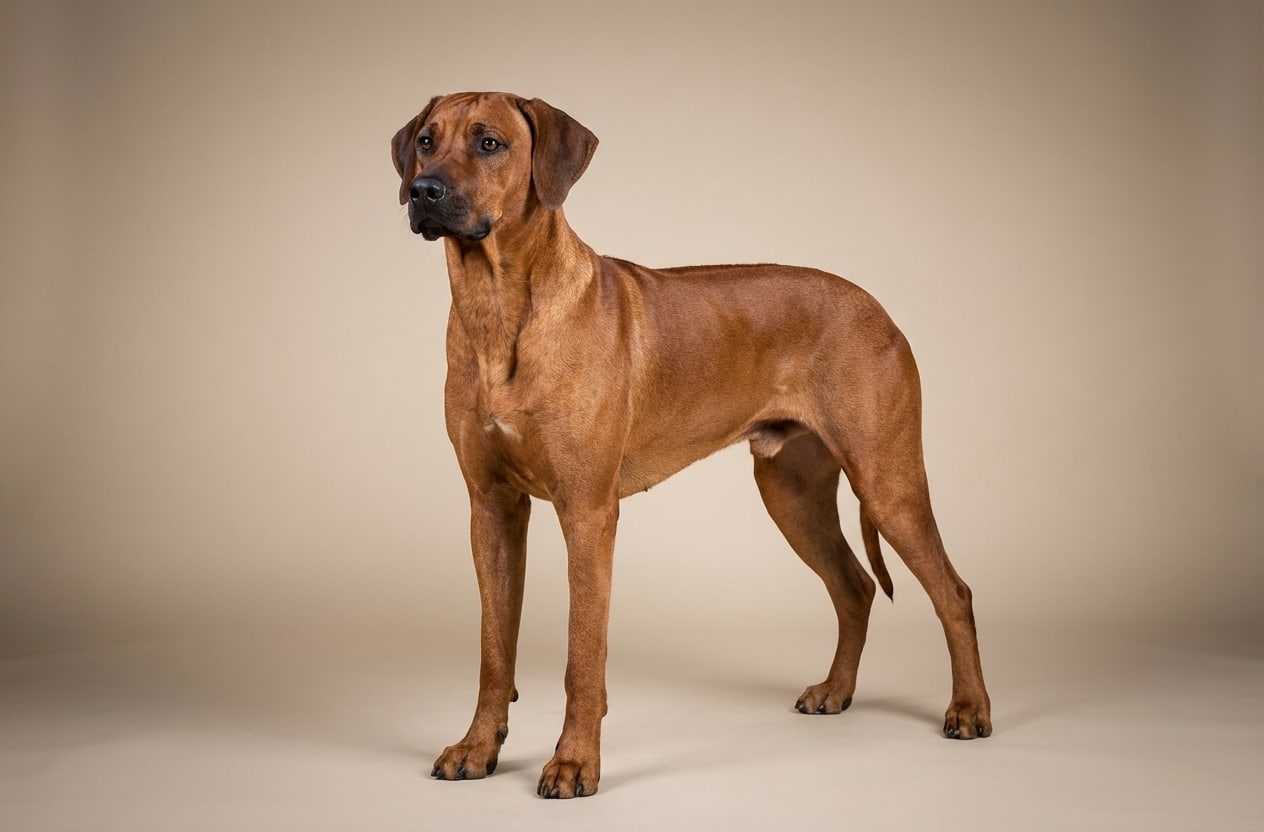
Origin and History
The Poodle, known as the Pudel in German and the Caniche in French, is a breed of water dog with origins that are believed to be in Germany, though some theories suggest France. Similar dogs have been traced back to the 17th century. The breed was initially used by wildfowl hunters to retrieve game from water, and larger Poodles were specifically bred for this purpose. The Poodle was recognized by the Kennel Club of the United Kingdom in 1874 and the American Kennel Club (AKC) in 1886, shortly after these clubs were founded. Since the mid-20th century, Poodles have gained immense popularity as pets and show dogs, becoming the AKC's most registered breed from 1960 to 1982 and the FCI's third most registered breed.
Smaller Poodles were often used as circus performers, and the Miniature Poodle, known as the toy poodle until 1907, was selectively bred down in size to be more manageable for circuses. The Toy Poodle was created at the beginning of the 20th century and has since become a popular companion dog. The Medium Poodle, which is midway in size between the Standard and the Miniature Poodle, is recognized by the FCI and most Continental European kennel clubs but not universally recognized by all kennel clubs worldwide.
One of the reasons for creating the Medium Poodle variety may have been to reduce the number of entries of Poodles by variety at conformation shows. The Poodle's Germanic name, "Pudel," is derived from the Low German word "puddeln," meaning "to splash," and there is evidence from German artists as early as the 17th century depicting dogs of a Poodle type.
Breed Varieties
The Poodle is divided into four varieties based on size: the Standard Poodle, Medium Poodle, Miniature Poodle, and Toy Poodle. The Standard Poodle stands between 45 and 61 cm (18 and 24 in), the Medium Poodle between 35 and 45 cm (14 and 18 in), the Miniature Poodle between 28 and 35 cm (11 and 14 in), and the Toy Poodle between 24 and 28 cm (9.4 and 11.0 in). The weight of a healthy adult Standard Poodle is typically between 20 and 32 kilograms (44 and 71 lb), a Medium Poodle between 15 and 19 kilograms (33 and 42 lb), a Miniature Poodle between 12 and 14 kilograms (26 and 31 lb), and a Toy Poodle between 6.5 and 7.5 kilograms (14 and 17 lb).
The Poodle's coat is thick, curly, and comes in many colors and patterns. Only solid colors are recognized by major breed registries. The Poodle's hair follicles have an active growth period that is longer than that of many other breeds, and their tightly curled coat helps slow the loss of dander and dead hair, making them often cited as a hypoallergenic dog breed. However, researchers have generally not found a difference in allergens across breeds.
The Poodle is also known for its various grooming styles, including the Puppy, Continental, English Saddle, Sporting, and Scandinavian clips. The Continental clip is particularly popular in dog shows, where the face and rear end of the body are clipped close, leaving tufts on the hocks and tip of the tail and rosettes on the hips.
Temperament and Personality
Poodles are highly intelligent, energetic, and sociable dogs. They are known for their alertness, confidence, loyalty, and eagerness to please. A 1994 book by Stanley Coren ranked Poodles second out of 130 breeds in "working and obedience intelligence," a measure of their ability to learn from humans. Poodles are also known for their distinctive appearance, with an athletic bearing and an elegant, curly hypoallergenic coat.
Despite their active nature, Poodles can be quite gentle and make excellent family pets. Shyness or sharpness is considered a serious fault in the breed.
Health Considerations
Poodles have a life expectancy of 10-18 years, with smaller varieties tending to live longer than larger ones. However, they are predisposed to a number of hereditary diseases. The Poodle Health Registry lists over 50 major health disorders of Standard Poodles, including sebaceous adenitis (estimated prevalence 2.7%) and Addison's disease, an endocrine system disorder. Both diseases became more prevalent in poodles after the 1960s, when rapid breeding aimed at producing good show dogs created a genetic bottleneck.
Other dermatological conditions that Poodles are predisposed to include allergic skin disease, alopecia X or follicular arrest, injection site alopecia, otitis externa, melanoma, and sebaceous adenitis. Poodles are also predisposed to hypothyroidism and Cushing's syndrome. Progressive rod-cone degeneration, an autosomal recessive condition, is also more commonly seen in the breed.
Work and Sports
Despite their origins as water retrievers, Poodles are currently classified as companion dogs by the FCI. However, some breeders in the United States and Canada have been selecting for dogs with a drive for birds to revive the breed for hunting, with some success. Poodles are highly trainable and excel in obedience training, making them popular in dog sports such as agility and rally.
Historically, Poodles were popular circus dogs, known for their intelligence and ability to perform tricks. They have also been used as working dogs in the military since at least the 17th century, their background as a hunting dog making them suitable for battlefields. They can be trained to ignore gunfire and have been known to serve alongside their masters on the battlefield.
Cultural References
The Poodle's passive and obedient nature has led to its use in politics as a political pejorative to describe a politician who follows the lead of others passively or obsequiously. The term "poodle" has been used to criticize British Prime Ministers who were perceived as too close to the United States. The singer George Michael used the term in his song "Shoot the Dog," which depicted British Prime Minister Tony Blair as the "poodle" on the lawn of the White House.
The term "attack poodle" has been used to denote a particularly vocal but servile defender of a given political leader, party, or faction. It gained popularity in 2002 when British Parliament member Paul Marsden accused Prime Minister Tony Blair of setting out "one of his attack poodles" to bring him into line. The term was further popularized by American culture critic James Wolcott in his 2004 book, "Attack Poodles and Other Media Mutants. "
Buying a Poodle
- Reputable breeder: Choose a breeder who is committed to the health and well-being of their dogs.
- Health clearances: Ensure that the dog has had all necessary health screenings and is free from hereditary diseases.
- Coat type: Decide on the coat type and grooming style that best suits your lifestyle.
- Training and socialization: Look for a dog that has been well-trained and socialized to ensure they will be a good fit for your home.
- Lifestyle compatibility: Consider your lifestyle and whether a Poodle's energy level and grooming requirements are suitable for your living situation.
Ensuring that you are prepared for the commitment of owning a Poodle will help ensure a happy and healthy relationship with your new pet.
Frequently Asked Questions
What is the lifespan of the Poodle?
The average lifespan of the Poodle is about 10-18 years. Good nutrition and regular veterinary care support a healthy life.
What is the temperament of the Poodle?
The Poodle is known for: Intelligent, Athletic, Alert, Confident, Loyal, Eager to Please. Its energy level is moderate.
What size and weight is the Poodle?
It is a large dog, typically around Male: 20-32; Female: 18-27 kg as an adult.
Is the Poodle easy to care for?
Reliable grooming and shedding ratings are not available. Routine brushing, ear and dental care, and nail trims are still recommended.
Is the Poodle good with kids and other pets?
Reliable child- and pet-friendliness ratings are not available. Supervised, gradual introductions are recommended.
How much exercise does the Poodle need?
With a moderate energy level, it needs walks, play or training matched to its stamina.
Poodle
Trait Scores
N/A



