Origin and Background
The Pomsky, a designer dog breed, originated in the United States, a country known for its love of mixed breeds. This crossbreed between the Pomeranian and Siberian Husky was created to combine the best features of both breeds, resulting in a striking wolf-like appearance within a compact and manageable size. The Pomeranian, one of the parent breeds, was named after the Pomerania region in Central Europe and has a rich history tracing back to larger Spitz-type dogs, particularly the German Spitz. During Queen Victoria's lifetime, her ownership of a particularly small variety of Pomeranian gained popularity, leading to the breed's size decreasing significantly. As of 2017, the Pomeranian ranked among the top fifty most popular dog breeds in the United States, showcasing its widespread appeal.
The Siberian Husky, the other parent breed, is a medium-sized working sled dog that originated in the Russian Far East. The breed's lineage dates back over 9,500 years, demonstrating a genetic affinity with historical East Siberian dogs and ancient Lake Baikal dogs. This ancient heritage contributes to the Husky's resilience and adaptability, traits that have been passed on to the Pomsky.
Physical Characteristics
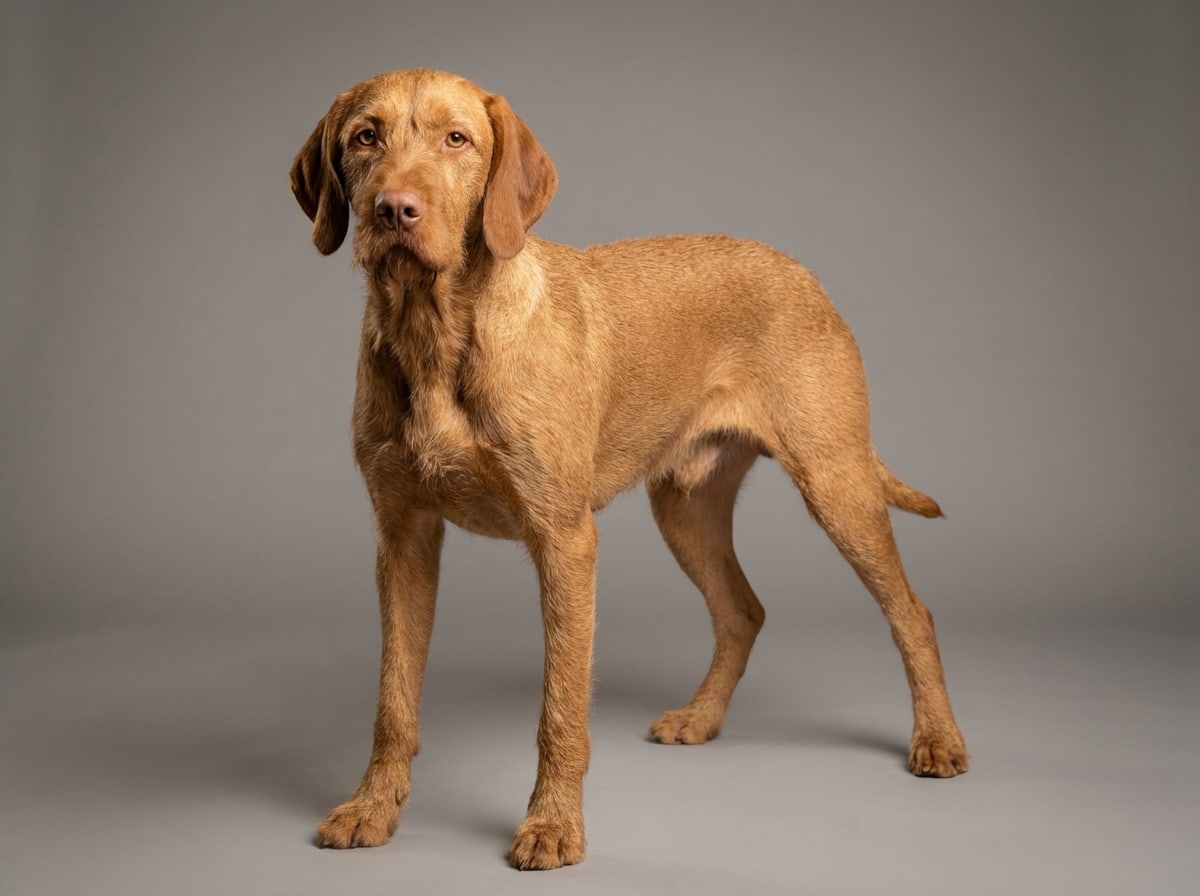
The Pomsky boasts a thick plush coat that resembles the fox-like face of a miniature Husky. The coat length is medium, and the dog's size ranges from medium, with a weight of 7-14 kg and a height of 25-38 cm. The Pomeranian parent contributes a dense, finely wavy undercoat and a topcoat of thicker, straight guard hairs, which protect the dog effectively in various climates. The Siberian Husky's thick double coat, with a dense undercoat and a longer topcoat, provides excellent insulation in cold climates, making the Pomsky a versatile companion for different environments.
Temperament and Behavior
Pomskies are known for their playful and intelligent nature, along with their energetic and alert disposition. They are affectionate and loyal companions, making them great pets for those looking for a friendly and engaged dog. The Husky's heritage contributes to their social and playful demeanor, as they are naturally active and resilient. However, due to their alertness, Pomskies may bark excessively at new stimuli and be somewhat defensive of their territory, which can be a challenge for first-time dog owners.
Pomeranians, known for their alertness, may develop a habit of excessive barking, especially when they detect changes in their environment. They are also territorial and may bark at outside noises, while the Husky's genetic background adds an energetic and resilient nature, making them ideal for active households. The combination of these traits in the Pomsky requires a balanced approach to training and socialization to ensure the dog's well-being and the harmony of the household.
Life Expectancy and Health Considerations
The average life span of a Pomsky is between 12-15 years, which is on the lower end for dogs of its size. Pomeranians, one of the parent breeds, are prone to health conditions such as patellar luxation, in which the kneecap dislocates, and collapsed trachea, which can lead to a honking cough. Siberian Huskies have a genetic affinity with historical East Siberian dogs, which may predispose them to certain health conditions. A 2024 genomic analysis of the Siberian Husky population indicated that around half of modern Siberian Huskies used in sled dog racing have genetic admixture from outside the Arctic dog lineage, suggesting that certain genetic traits have been introduced for athletic performance in changing climates and racing conditions.
The Pomeranian parent breed has a life expectancy of 12.2 years in the UK and 14 years in Japan, below the average for cross-breed dogs below 10 kg. They are prone to patellar luxation, with a prevalence of 6.5% in the Pomeranian, and atlantoaxial subluxation, where the Pomsky can make up 10.6% of cases in Japan. Merle-colored dogs may also experience mild to severe deafness, blindness, increased intraocular pressure, ametropia, microphthalmia, and colobomas.
Grooming and Maintenance
While Pomskies are not hypoallergenic, they shed a moderate amount, making them suitable for those with mild allergies. The Pomeranian parent contributes a dense and fluffy coat that requires frequent brushing, while the Husky's double coat also needs regular attention to maintain its protective qualities.
These dogs enjoy activities such as walking, playing fetch, and agility training, which can help keep them physically and mentally stimulated.
Buying a Pomsky
When considering a Pomsky, potential owners should be aware of the breed's mixed heritage, which may lead to a wide range of appearances and personalities. The Pomsky may require more frequent grooming than other breeds due to its medium-length coat and potential shedding. This will help ensure that the Pomsky is well-socialized and has the best chance of adapting well to a new home.
Household Compatibility
Their alert and energetic nature makes Pomskies great companions for families or individuals who enjoy outdoor activities. They are affectionate and loyal, which makes them suitable for those looking for a friendly and engaged pet. Given their playful nature and need for attention, Pomskies may not be the best choice for extremely busy households or those who prefer a more sedentary lifestyle. Their social and playful demeanor requires a household that can accommodate their energy levels and desire for interaction.
They need regular physical activity to stay healthy and happy, so a home with access to a secure yard or opportunities for walks and play is ideal. Additionally, due to their alertness and tendency to bark at new stimuli, they may not be the best choice for households with noise sensitivity or those living in apartments without adequate soundproofing.
Frequently Asked Questions
What is the lifespan of the Pomsky?
The average lifespan of the Pomsky is about 12-15 years. Good nutrition and regular veterinary care support a healthy life.
What is the temperament of the Pomsky?
The Pomsky is known for: Playful, Intelligent, Energetic, Alert, Affectionate, Loyal. Its energy level is high.
What size and weight is the Pomsky?
It is a medium-sized dog, typically around 7-14 kg as an adult.
Is the Pomsky easy to care for?
Reliable grooming and shedding ratings are not available. Routine brushing, ear and dental care, and nail trims are still recommended.
Is the Pomsky good with kids and other pets?
Reliable child- and pet-friendliness ratings are not available. Supervised, gradual introductions are recommended.
How much exercise does the Pomsky need?
With a high energy level, it needs walks, play or training matched to its stamina.
Pomsky
Trait Scores
N/A