Origin and Development
The Poitevin, also known as the Chien de Haut-Poitou, originated in the 17th century in the Poitou region of France. This breed was established to hunt wolves, a task that required exceptional endurance and stamina. The Poitevin was created by crossbreeding 12 English Staghounds gifted to the Dauphin of France in 1692 with local hounds.
The Marquis of Haut-Poitou, François de Larrye, was instrumental in the development of the breed. His offspring, known as the Larrye pack, were tricolored and were considered superior to the Montemboeuf and Céris packs, which were bicolored and of lower status. The Larrye pack was renowned for its hunting prowess and was often favored by nobility for hunting parties.
During the French Revolution, the breed faced significant adversity, including the dispersal of the Larrye pack and near-extinction. It was only after the efforts of brothers Emile and Arthur de la Besage that the Poitevin was successfully revived, with their careful crossbreeding program and the introduction of English Foxhounds to help reconstitute the breed. Their efforts were pivotal in saving the breed from extinction.
Breed Characteristics
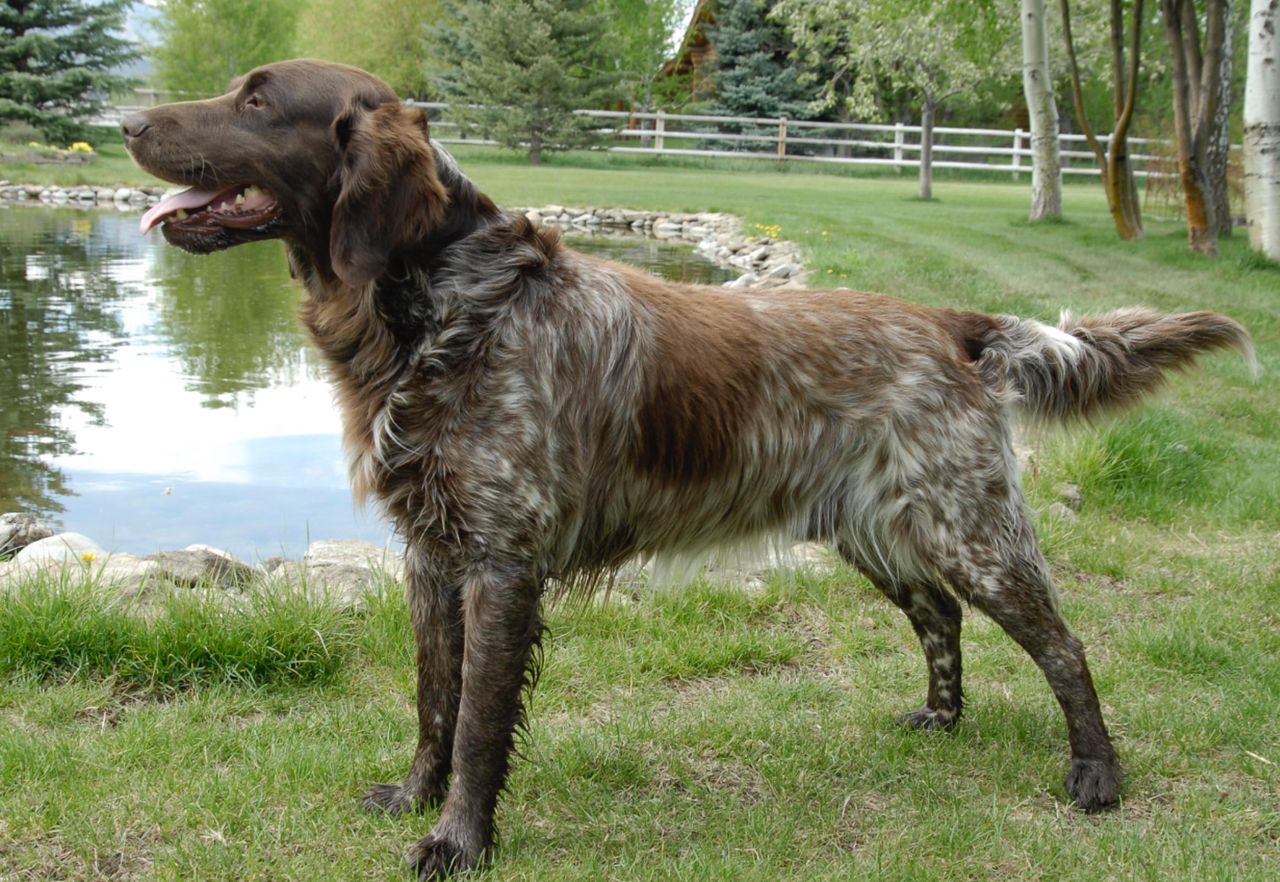
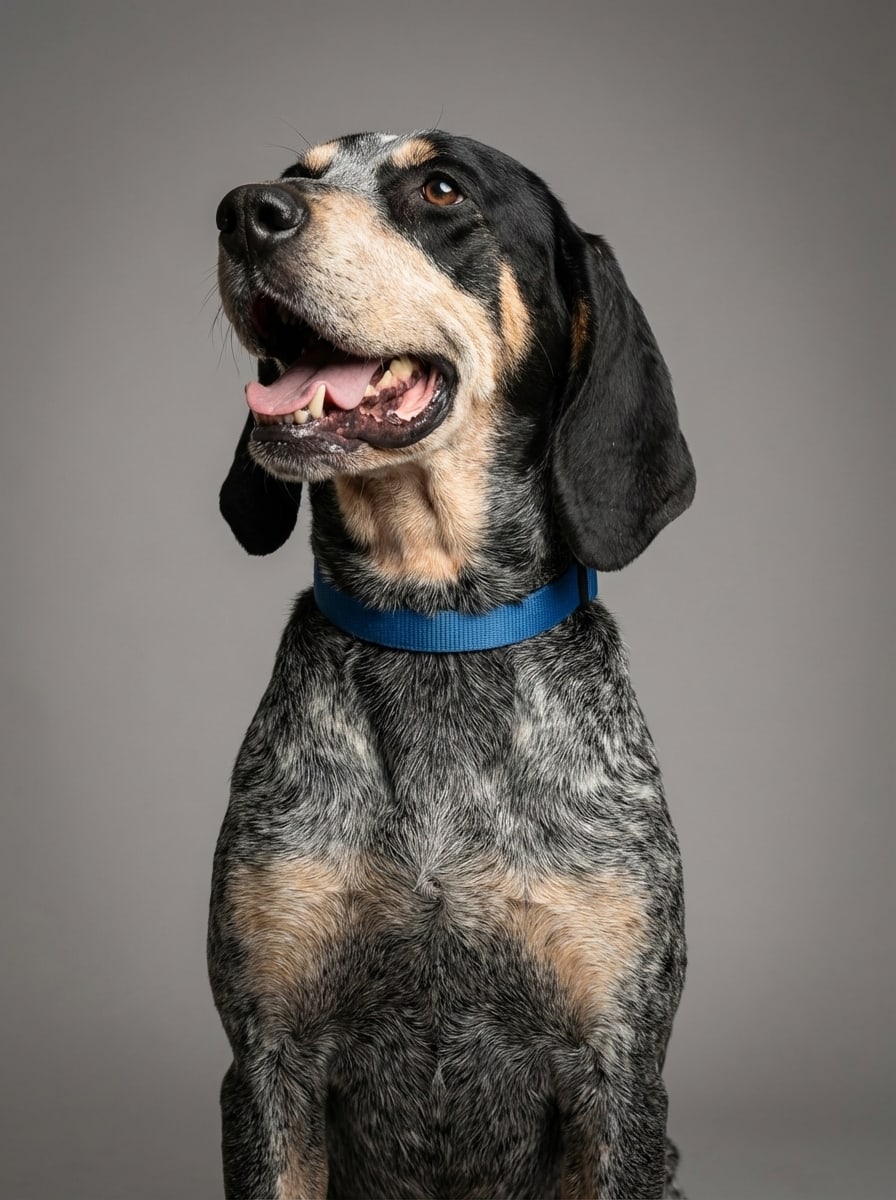
The Poitevin is a large, elegant scent hound with a distinctive tricolor coat. It stands at a height of 60 to 72 centimeters (24 to 28 inches) at the withers and weighs between 20.5 to 30.5 kilograms (45 to 67 pounds). Its build is lean and muscular, making it well-suited for hunting and pack work.
Its coat is short, with a gentle slope to the skull, a long, narrow tapering muzzle, and slender, heavily boned legs. The Poitevin's tail is long, which contributes to its sighthound features and aids in balance and hunting efficiency. The tricolor coat, with black, white, and tan markings, is a hallmark of the breed and was preferred by the Marquis of Haut-Poitou.
Temperament and Behavior
The Poitevin is intelligent and known for its courage. While it is not particularly shy, it does exhibit an independent nature and may be more aloof than many other hound breeds. Its temperament is also gentle and devoted, which makes it a good family pet when properly socialized. The breed's hunting background means it can be quite focused and driven.
It has been described as a 'Greyhound among the French hounds' due to its exceptional speed and stamina, which allow it to chase quarry for over seven hours at speeds reaching 56 kilometers per hour (35 mph) in packs. This makes it a formidable hunter and a challenging companion for those who wish to engage in activities that require such endurance.
Health and Genetics
The Poitevin has a lifespan of 10-13 years, which is average for large breeds. An outbreak of rabies in 1842 nearly destroyed the de la Besage hounds, highlighting the importance of proper veterinary care and attention, including regular vaccinations and preventive measures.
The breed's genetic heritage includes the English Staghounds and the English Foxhounds, which has influenced its temperament, working traits, and susceptibility to certain genetic health conditions. The breed is prone to hip dysplasia, a common condition in large breeds, as well as other skeletal issues and certain hereditary eye diseases.
Modern Use and Popularity
While the Poitevin was originally bred to hunt wolves, it is now commonly used in hunting packs to pursue boar and deer. Its central role in the development of the Grand Anglo-Français Tricolore and Chien Français Tricolore underscores its significance in the French hunting tradition. These breeds continue to influence the hunting scene in France and beyond.
The Poitevin is not considered a hypoallergenic breed, so it may not be suitable for individuals with allergies.
Buying and Owning a Poitevin
The Poitevin requires a home with access to a securely fenced yard for exercise, as it is an intelligent and active dog.
- Understand the breed's hunting heritage and ensure you can provide for its pack-oriented instincts. The Poitevin benefits from having a pack of dogs or a family that can engage in group activities.
- Be prepared for the costs associated with owning a Poitevin, including proper nutrition, veterinary care, and grooming.
With the right environment and attention, a Poitevin can be a loyal and rewarding companion. Its unique blend of hunting instincts, elegance, and intelligence makes it a special addition to any home, provided the owner is committed to meeting the breed's needs.
Frequently Asked Questions
What is the lifespan of the Poitevin?
The average lifespan of the Poitevin is about 10-13 years. Good nutrition and regular veterinary care support a healthy life.
What is the temperament of the Poitevin?
The Poitevin is known for: Intelligent, Courageous, Independent, Gentle, Devoted. Its energy level is moderate.
What size and weight is the Poitevin?
It is a large dog, typically around Male: 30-35; Female: 25-30 kg as an adult.
Is the Poitevin easy to care for?
Reliable grooming and shedding ratings are not available. Routine brushing, ear and dental care, and nail trims are still recommended.
Is the Poitevin good with kids and other pets?
Reliable child- and pet-friendliness ratings are not available. Supervised, gradual introductions are recommended.
How much exercise does the Poitevin need?
With a moderate energy level, it needs walks, play or training matched to its stamina.
Poitevin
Trait Scores
N/A