Origin and History
The Pointer is a breed that originated in England, where it was selectively bred from dogs with abundant pointing and backing instincts. These instincts were essential for their primary purpose as a hunting companion, as the Pointer's role was to stop and aim its muzzle towards game, allowing hunters to locate their quarry. The breed's history may trace back to dogs from Spain, specifically the Old Spanish Pointer, which was used by hunters who netted game. This method involved the dog freezing or setting, allowing the hunter to throw the net over the game before it flushed. The Pointer's role in hunting evolved, and it was later used by falconers to flush game for raptors.
The Westminster Kennel Club, organized in the early 1870s, adopted the English Pointer, "Sensation," as its logo, showcasing the breed's early recognition. The American Kennel Club (AKC) was founded in 1884 and registered Pointers among the first breeds, reflecting the breed's established status. Over time, the AKC recognized additional pointer breeds like the German Shorthaired Pointer in 1930 and the German Wirehaired Pointer in 1959, further solidifying the Pointer's place in the canine world.
Pointer breeds have been developed with specific traits that make them effective hunting companions. The AKC has developed training and testing programs for pointer breeds since 1986, offering opportunities for dogs and handlers to showcase their skills. These programs, including the AKC Gun Dog Championships, which began in 1993, include Pointers alongside other retrieving and non-retrieving dog breeds, emphasizing the breed's versatility and hunting abilities. The AKC has also recognized the English Pointer as a separate breed in 1890, reflecting its distinct characteristics and history.
Breed Characteristics
The Pointer is an athletic and graceful medium-large sporting dog, known for its speed, stamina, and keen nose. Males typically weigh between 25-34 kg and stand at 64-71 cm, while females weigh between 20-30 kg and stand at 58-66 cm. Their body size and structure are designed for endurance and agility, making them ideal for hunting over vast terrains. The Pointer's head is long and lean, with a strong jaw and a keen expression that reflects its intelligence and alertness.
Despite their hunting heritage, Pointers are also known for their characteristic pointing stance and aristocratic demeanor. This breed is hard-driving and possesses exceptional field abilities, making it an excellent choice for those who enjoy outdoor activities and sports such as bird hunting. The breed's coat comes in liver brown and/or piebald with ticking/roaning patterns, providing some protection from environmental elements during hunting trips. The breed is not considered hypoallergenic, with a hypoallergenic flag rating of 0, making it less suitable for individuals with severe allergies.
Temperament and Personality
Pointers are intelligent, loyal, energetic, and affectionate dogs. They are often even-tempered and adaptable, making them suitable for various living situations. Their intelligence and trainability make them highly responsive to training, which is beneficial for both the dog and its owner. Pointers are known to form strong bonds with their families and enjoy being part of an active, engaged household.
Without adequate exercise and mental challenges, they can become bored or destructive. Their intelligence and trainability make them highly responsive to training, which is beneficial for both the dog and its owner. Pointers are known to be great with children, especially when they are well-socialized and have been properly trained.
Lifespan and Health Considerations
The average lifespan of a Pointer is between 12-17 years, which is typical for a medium-large breed. However, proper care and nutrition can help extend their lifespan. Some common health concerns include hip dysplasia, which can cause discomfort and mobility issues; and von Willebrand's disease, a blood disorder that can lead to excessive bleeding. Other potential health issues include elbow dysplasia, eye disorders, and epilepsy.
Early detection and treatment of health issues can lead to a better quality of life for the dog. Responsible breeders often conduct genetic testing on their dogs to identify and avoid passing on hereditary conditions. Owners should be prepared for the costs associated with veterinary care and the potential for health-related issues throughout the dog's life.
Breeder Purpose and Use
The Pointer was bred for a specific purpose: to be a sporting dog. This breed's primary use is in hunting, where their keen sense of smell, pointing instinct, and stamina make them invaluable companions. Their natural ability to point at game and their willingness to work diligently in the field make them highly sought-after by hunters. Pointers are often used in field trials and hunting tests, where their hunting abilities are put to the test against other dogs in a competitive environment.
However, the Pointer's versatility extends beyond hunting. They enjoy outdoor activities and are capable of adapting to various environments and lifestyles. Their keen intelligence and trainability make them suitable for other roles, such as search and rescue, detection work, and as companions for individuals with disabilities. The Pointer's natural instincts and abilities make them versatile and adaptable, allowing them to excel in various fields and activities.
Comparison with Other Breeds
Pointers are part of a larger group of pointing dogs, which includes breeds such as the English Setter, Gordon Setter, Irish Red and White Setter, Irish Setter, and the Pointer itself. These breeds share common characteristics, such as their pointing instinct and hunting abilities, but each has its own unique traits and conformation. For example, the English Setter is known for its smooth coat and gentle temperament, while the Gordon Setter is recognized for its striking appearance and even temperament.
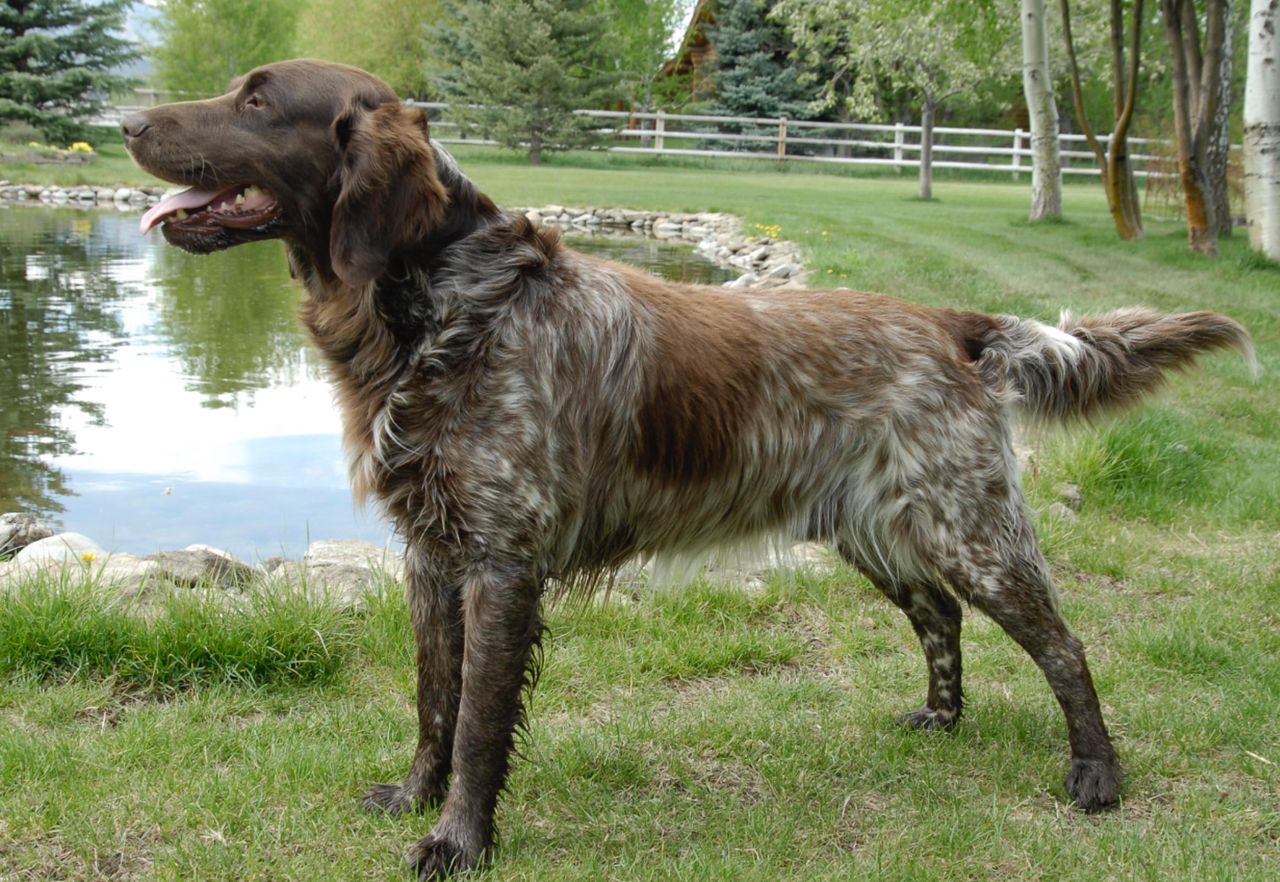
Continental-type pointers, such as the German Shorthaired Pointer and the German Wirehaired Pointer, are more versatile hunting dogs. While they all point or set, their natural abilities for tracking, flushing, and retrieving vary. This versatility allows hunters to pursue a wider variety of game with the same companion at their side. The German Shorthaired Pointer, for instance, is known for its excellent scenting abilities and the German Wirehaired Pointer for its versatility in different terrains and weather conditions.
Pointing dogs come in different coat types, including short, long, and wire, each designed to work in different environments. The short coat is ideal for heat tolerance and quick drying, while the long coat offers better cold tolerance but requires more grooming. The wire coat provides good protection from wet or harsh vegetation. The coat type of a Pointer can also affect its grooming requirements and suitability for different climates.
Buying a Pointer: A Practical Checklist
- Research reputable breeders with a history of healthy and well-trained Pointers.
- Ask about the dog's health history, including any known genetic conditions such as hip dysplasia or von Willebrand's disease.
- Ensure the breeder provides proper socialization and training resources to help the Pointer develop into a well-adjusted and well-behaved companion.
- Consider the long-term commitment of caring for a Pointer, including grooming, exercise, and veterinary care, as well as the potential costs associated with health issues.
Buying a Pointer is a significant investment, both in terms of time and money. It's essential to find a responsible breeder who is committed to the breed's health and welfare. By doing your research and asking the right questions, you can ensure you bring a healthy, well-adjusted Pointer into your home. Responsible breeders will be happy to provide information about their breeding practices, health testing of their dogs, and the care of their puppies.
Frequently Asked Questions
What is the lifespan of the Pointer?
The average lifespan of the Pointer is about 12-17 years. Good nutrition and regular veterinary care support a healthy life.
What is the temperament of the Pointer?
The Pointer is known for: Intelligent, Loyal, Energetic, Affectionate, Even-tempered, Adaptable. Its energy level is high.
What size and weight is the Pointer?
It is a large dog, typically around Male: 25-34; Female: 20-30 kg as an adult.
Is the Pointer easy to care for?
Reliable grooming and shedding ratings are not available. Routine brushing, ear and dental care, and nail trims are still recommended.
Is the Pointer good with kids and other pets?
Reliable child- and pet-friendliness ratings are not available. Supervised, gradual introductions are recommended.
How much exercise does the Pointer need?
With a high energy level, it needs walks, play or training matched to its stamina.
Pointer
Trait Scores
N/A