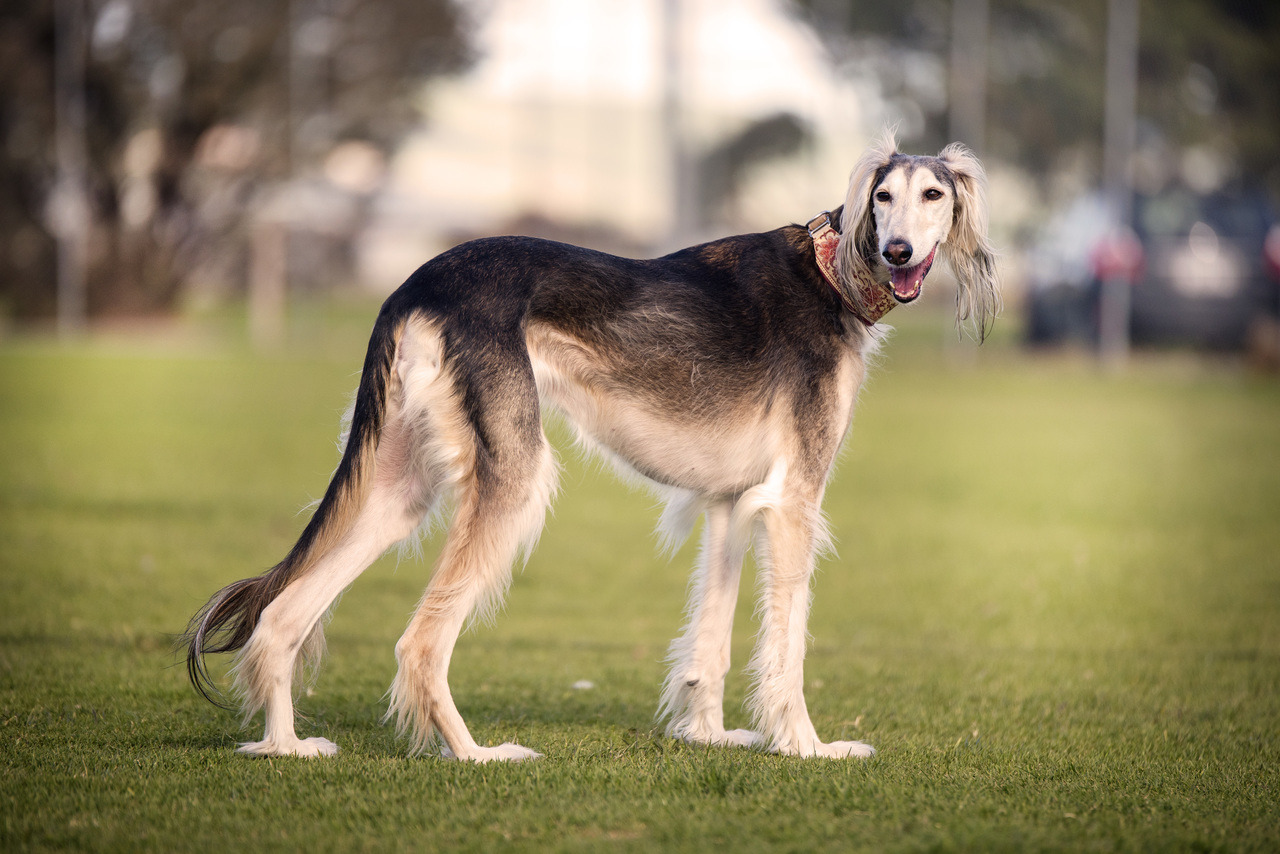
About the Pitsky
The Pitsky is a mixed breed dog that originated in the United States, a region known for its diverse dog breeding culture. This energetic and powerful breed is a combination of the Siberian Husky's athleticism and striking appearance with the American Pit Bull Terrier's strength and loyalty. Pitskies are known for their athletic build and energetic temperament, making them a dynamic and lively companion, ideal for active individuals or families.
Originating from the United States, the Pitsky is a relatively new breed that has gained popularity for its unique traits. While the exact origin of the Pitsky is not well-documented, it is believed to have been developed through crossbreeding the Siberian Husky and the American Pit Bull Terrier, both of which are known for their distinct characteristics. The breed's popularity can be attributed to its versatility and adaptability to various living environments.
Breed Characteristics
The Pitsky is a large dog with a medium-length coat, which is typically double-layered, with a dense undercoat and a longer topcoat. This coat can come in a variety of colors and patterns, including black, white, gray, and brown, often with unique markings reminiscent of both parent breeds.
In terms of size, male Pitskies typically weigh between 16-32 kilograms and stand at a height of 48-61 centimeters at the shoulder, while females generally weigh between 14-27 kilograms and stand at a height of 46-56 centimeters. This size range makes the Pitsky a versatile breed, suitable for various roles and activities.
The Pitsky is a highly trainable breed, known for its intelligence and confident temperament. They are loyal and playful, making them great companions for families or individuals who enjoy an active lifestyle and can provide them with the mental and physical stimulation they need.
Siberian Husky Influence
The Siberian Husky, one of the Pitsky's parent breeds, is a medium-sized working sled dog that belongs to the Spitz genetic family. The breed originated in the Russian Far East, where it was developed by the Chukchi people for sled pulling and companionship. Siberian Huskies are known for their thickly furred double coat, erect triangular ears, and distinctive markings, which can include facial masks and patterns on the tail and legs.
A DNA study in 2015 indicated that the Siberian Husky shares a close genetic relationship with the Alaskan Malamute and the Alaskan husky, and can be traced back to a lineage over 9,500 years old. This ancient heritage has contributed to their resilience and adaptability to a wide range of climates and environments.
Genetically, Siberian Huskies have shown a significant genetic closeness with the now-extinct Taimyr wolf of North Asia, indicating that their ancestors may have been involved in the admixture with wolves, which could have provided them with beneficial traits for adapting to their environment, such as increased energy levels and a robust immune system.
American Pit Bull Terrier Influence
The American Pit Bull Terrier, the other parent of the Pitsky, is a medium-sized dog with a short coat and smooth, well-defined muscle structure. This breed's ancestors originated from England and were bred for their gameness, strength, and athleticism. The American Pit Bull Terrier is known for its confident and loyal temperament, making it a great family pet and a versatile working dog.
Historically, American Pit Bull Terriers were used for various purposes, including as catch dogs for semi-wild cattle and hogs, as well as family companions. Today, they are still used in roles such as companion dogs, working dogs, and in sports like weight pulling and French Ring Sport. Their physical prowess and mental resilience have made them popular in various capacities.
The Pitsky inherits the Pit Bull's strength and athleticism, as well as its confident and loyal temperament. This makes them a powerful and energetic breed that requires a confident handler and a suitable living environment, capable of providing the necessary exercise and mental stimulation.
Health Considerations
Some common health concerns in both Siberian Huskies and American Pit Bull Terriers include hip dysplasia, elbow dysplasia, and skin allergies. Hip dysplasia, in particular, is a concern for larger breeds and can lead to arthritis and lameness if not managed properly. Owners should be aware of these conditions and monitor their Pitsky's health accordingly.
Genetic testing may be beneficial for identifying potential health issues in Pitskies, especially those related to their parent breeds. Responsible breeders often conduct these tests to ensure the health and longevity of their dogs.
Lifestyle and Training
A Pitsky that does not receive adequate exercise may become bored or exhibit undesirable behaviors, such as digging, barking excessively, or destructive behavior.
Training should begin early and be consistent. The Pitsky is intelligent and responds well to positive reinforcement, making it relatively easy to train. Socialization is also crucial for this breed, as it can be reserved with strangers. Early exposure to various people, dogs, and environments will help ensure a well-rounded and well-behaved Pitsky.
Given their energetic nature, a Pitsky is best suited for active owners who can provide them with a home that allows for plenty of space to roam and play. This breed is not ideal for apartment living or owners who prefer a low-maintenance pet. A secure yard or access to a dog park can provide the necessary outlet for their high energy levels.
Buying a Pitsky
Responsible breeders will provide health clearances, a detailed health history, and support for any potential issues that may arise. These clearances may include results from hip and elbow dysplasia screenings, as well as eye and heart examinations. Purchasing from a reputable breeder ensures that the Pitsky is more likely to be healthy and well-socialized.
It is also essential to consider the costs associated with owning a Pitsky. These include initial purchase price, which can range from $500 to $2,000 depending on the breeder and the dog's lineage, ongoing veterinary care, grooming, and food. It is estimated that the average annual cost of owning a Pitsky can range from $1,500 to $2,000, depending on various factors, such as the dog's size, health, and the region in which they live.
Before bringing a Pitsky into your home, ensure that your living situation is suitable for this energetic and active breed. Consider whether you have the time and resources to provide the necessary exercise, training, and care. A Pitsky can be a wonderful addition to the right family, but it requires commitment and responsibility, ensuring that the dog's needs are met throughout its lifetime.
Frequently Asked Questions
What is the lifespan of the Pitsky?
The average lifespan of the Pitsky is about 12-15 years. Good nutrition and regular veterinary care support a healthy life.
What is the temperament of the Pitsky?
The Pitsky is known for: Energetic, Loyal, Intelligent, Confident, Playful. Its energy level is high.
What size and weight is the Pitsky?
It is a large dog, typically around Male: 16-32; Female: 14-27 kg as an adult.
Is the Pitsky easy to care for?
Reliable grooming and shedding ratings are not available. Routine brushing, ear and dental care, and nail trims are still recommended.
Is the Pitsky good with kids and other pets?
Reliable child- and pet-friendliness ratings are not available. Supervised, gradual introductions are recommended.
How much exercise does the Pitsky need?
With a high energy level, it needs walks, play or training matched to its stamina.
Pitsky
Trait Scores
N/A