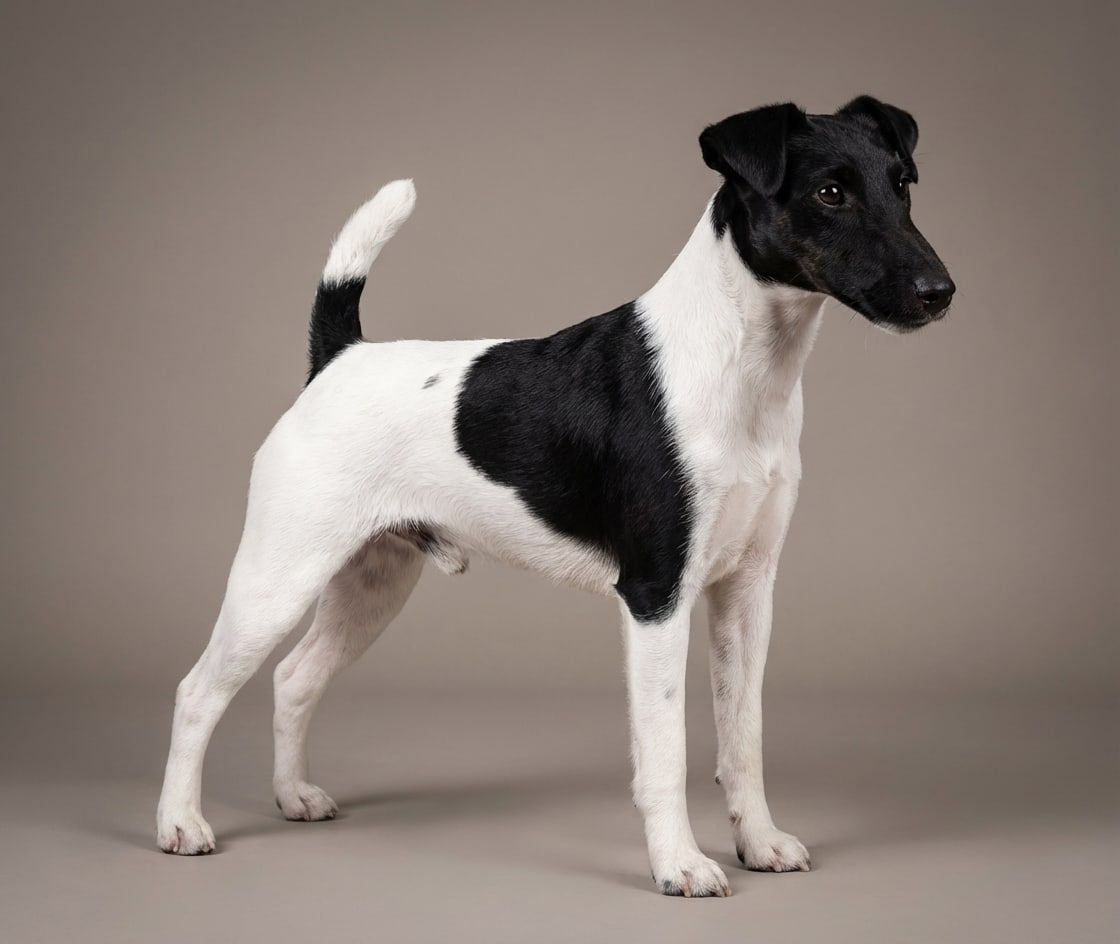
Origin and History
The Philippine Forest Dog, known locally as asong gubat, is an indigenous and primitive breed that originated in the Philippines. This breed has a rich history, potentially dating back to approximately 30,000 years ago, with early settlers believed to have brought its ancestors to the Philippines as companions and hunting dogs. The breed has coexisted with indigenous Aetas for centuries, predating Spanish colonization.
Archaeological evidence, including dog remains estimated to be 600–900 years old, unearthed in 1967 at an ancient gravesite in Namayan, Santa Ana, Manila, suggests that the Philippine Forest Dog predates its modern discovery. The breed was officially introduced internationally as the first native dog breed of the Philippines during the Philippine Circuit Show in 2023.
The Philippine Canine Club, Inc. (PCCI) and the Philippine Forest Dog Legacy Club, Inc. (PFDLC) are actively involved in documenting and establishing the breed's purity, aiming for recognition from the Fédération Cynologique Internationale (FCI). This collaborative effort includes the development of a breed standard over 30 years of continuous study and research, led by Rev. Fr. Dante Daylusan, a Philippine Forest Dog researcher and breeder. Daylusan's dedication has been crucial in preserving the breed's unique traits and ensuring its future.
Appearance and Physical Characteristics
The Philippine Forest Dog is a small to medium-sized breed, with males weighing between 11-16 kg and females between 9-14 kg. Males stand at 38-46 cm and females at 36-43 cm in height. The breed is characterized by a medium-length coat, which can vary in color and pattern, and a medium level of shedding. Common colors include fawn, brindle, black, and white, with patterns such as solid, patched, or ticking.
This breed has a vigorous, agile, and athletic build, making it well-suited for its historical roles in hunting wild animals, catching vermin, and farm work. The Philippine Forest Dog's distinctive morphology has been preserved through selective breeding, ensuring its adaptability to the challenging climate and terrain of its native forest environments. The breed's wedge-shaped head, almond-shaped eyes, and alert ears are particularly notable features.
The breed standard, developed by the PCCI, emphasizes the importance of maintaining the breed's morphology, temperament, and correct coloration. To ensure adherence to this standard, the PFDLC has recognized six official integrity breeders, from whom prospective owners are encouraged to acquire dogs to avoid mixed or brindle-colored dogs not conforming to the standard. The registry process is stringent, requiring breeders to meet specific criteria to be recognized.
Temperament and Behavior
The Philippine Forest Dog is known for its alertness, intelligence, and independence. This breed is typically reserved with strangers but forms strong bonds with its human family, including children. Its strong protective nature often makes it a favored choice as a guard dog, despite its size. Owners have reported instances of the breed fiercely defending its territory and family.
As a primitive breed, the Philippine Forest Dog retains a strong survival instinct and can endure independently in forested areas. This independence can sometimes lead to a lower level of friendliness and social needs. The breed's intelligence and trainability are high, making it responsive to training and adaptable to various roles, such as search and rescue or agility.
Health and Genetics
The Philippine Forest Dog has a life span of 12-14 years, which is typical for breeds of its size. The breed's genetic heritage, which includes thousands of years of adaptation to the Philippines' forest environments, contributes to its resilience. However, like all breeds, it is susceptible to certain health conditions.
Owners should be aware of the breed's strong protective instincts, which may lead to behaviors that could be perceived as aggression. This can include barking at perceived threats or defending its territory. Proper training and socialization can help manage these behaviors and ensure the well-being of both the dog and its environment.
Breed Standard and Registry
The Philippine Forest Dog breed standard was developed over 30 years of research and is based on the guidelines of the Fédération Cynologique Internationale (FCI). The standard outlines the breed's ideal characteristics, including size, coat length, energy level, and temperament. It also specifies the desired coloration and pattern, ensuring that the breed's distinctive appearance is preserved.
The Philippine Canine Club, Inc. (PCCI) and the Philippine Forest Dog Legacy Club, Inc. (PFDLC) are responsible for maintaining the breed's purity and ensuring that dogs meet the breed standard. To acquire a Philippine Forest Dog, prospective owners are encouraged to purchase from the six official integrity breeders recognized by the PFDLC. This registry process helps ensure that dogs conform to the breed standard and are of high quality, contributing to the breed's overall health and vitality.
Adaptability and Lifestyle
The Philippine Forest Dog is adaptable to various lifestyles, but its natural instincts and behaviors may require a home that can accommodate its need for exercise and mental stimulation.
Due to its strong survival instincts and independence, the Philippine Forest Dog may not be the best choice for families looking for a highly affectionate and sociable pet. Instead, this breed is well-suited for individuals or families who appreciate its independent nature and are willing to provide the necessary training and socialization.
This breed may not be the best fit for those living in apartments or other space-limited environments. It requires a home with access to a safe outdoor space for exercise and play. The Philippine Forest Dog's adaptability to different environments is limited by its physical and behavioral needs, which must be carefully considered by potential owners.
Buying a Philippine Forest Dog
The Philippine Forest Dog Legacy Club, Inc. (PFDLC) recognizes six official integrity breeders dedicated to maintaining the breed's standards. Buying from these breeders ensures that you are getting a dog that meets the breed standard and is of high quality.
- Research breeders and ensure they are recognized by the PFDLC.
- Visit the breeder's facility to see the living conditions of the dogs.
- Ask about the dog's health history and genetic background. Responsible breeders will have information on the dog's parents and any known genetic health issues.
- Observe the dog's temperament and behavior. A healthy and well-adjusted dog will exhibit normal behavior and interactions with people and other dogs.
Understanding the breed's characteristics, including its energy level, independence, and protective nature, will help you determine if a Philippine Forest Dog is the right fit for your lifestyle and household.
Frequently Asked Questions
What is the lifespan of the Philippine Forest Dog?
The average lifespan of the Philippine Forest Dog is about 12-14 years. Good nutrition and regular veterinary care support a healthy life.
What is the temperament of the Philippine Forest Dog?
The Philippine Forest Dog is known for: Alert, Intelligent, Independent, Agile. Its energy level is moderate.
What size and weight is the Philippine Forest Dog?
It is a medium-sized dog, typically around Male: 11-16; Female: 9-14 kg as an adult.
Is the Philippine Forest Dog easy to care for?
Reliable grooming and shedding ratings are not available. Routine brushing, ear and dental care, and nail trims are still recommended.
Is the Philippine Forest Dog good with kids and other pets?
Reliable child- and pet-friendliness ratings are not available. Supervised, gradual introductions are recommended.
How much exercise does the Philippine Forest Dog need?
With a moderate energy level, it needs walks, play or training matched to its stamina.
Philippine Forest Dog
Trait Scores
N/A