Origin and History
The Pharaoh Hound, known as Kelb tal-Fenek in Maltese, is a breed with origins in Malta. It is traditionally used for rabbit-hunting in the challenging terrain of the islands, with its name reflecting its specialized purpose. The breed has been a part of rural Malta for centuries, with the Maltese name "rabbit dog" indicating its primary role.
There is a historical claim that the Pharaoh Hound descends from the dogs depicted in Ancient Egyptian tomb paintings. However, recent DNA studies suggest that the breed is not ancient but rather a moderately recent development, having become genetically distinct from the Cirneco dell'Etna of Sicily within the last two hundred years.
In 1647, Giovanni Francesco Abela mentioned dogs called Cernechi, highly valued for rabbit-hunting, which were sought after in France. This reference has been associated with the Kelb tal-Fenek. The modern Cirneco is a similar Sicilian breed but slightly smaller in size.
The first litter of Pharaoh Hounds born outside Malta was in the United Kingdom in 1963. The breed was officially recognized by the Fédération Cynologique Internationale in the same year under the patronage of the UK. The British Kennel Club approved a breed standard for the Pharaoh Hound in 1974.
Since its introduction to the UK, the Pharaoh Hound has gained popularity and is now recognized by various kennel clubs worldwide, including the American Kennel Club (AKC) in 1999, which lists it under the Hound group.
Pharaoh Hounds have also been featured in literature, with the breed being mentioned in the novel "The Maltese Falcon" by Dashiell Hammett, which was published in 1930. This association with literature has further contributed to the breed's mystique and appeal.
Physical Characteristics
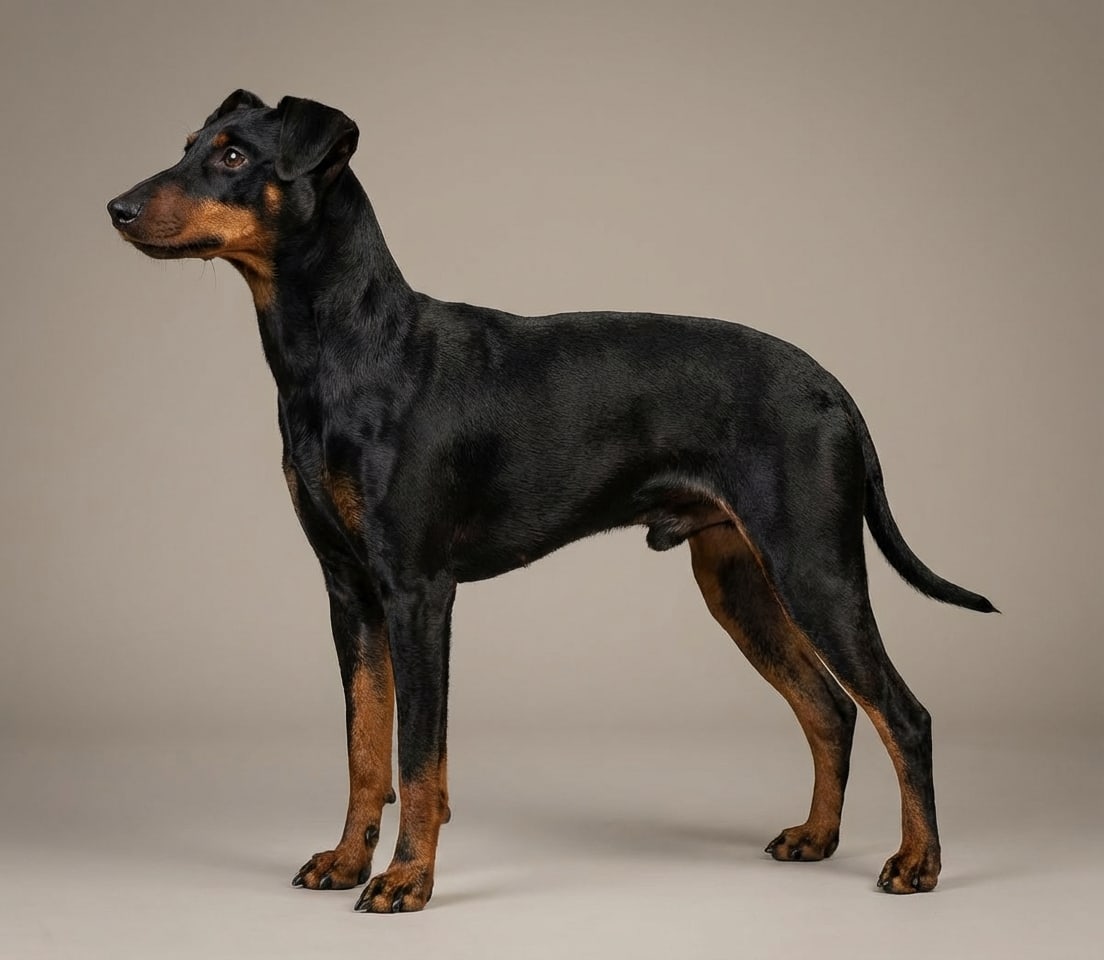
The Pharaoh Hound is a medium-sized, elegant sighthound with a distinctive appearance. It has a short tan coat, which is glossy and short in length. The coat color may be chestnut or tan, but white patches on the back, sides, shoulder, or back of the neck are considered disqualifying characteristics, although the tip of the tail may be white.
The breed has amber-colored eyes and a long, finely chiselled head with a slight stop. An unusual trait of the Pharaoh Hound is its ability to 'blush' when excited or happy, with its ears and nose turning bright pink. This phenomenon is known as "phoenician blush" and is unique to the breed.
Standing at 58-64 cm for males and 53-61 cm for females, the Pharaoh Hound is a powerful and swift breed, with a weight range of 20-25 kg. Its slender and graceful build makes it well-suited for its hunting instincts and agility.
The breed's coat requires minimal grooming, with regular brushing to maintain its glossy appearance. The Pharaoh Hound's ears are prone to infections, so they should be checked and cleaned regularly.
Temperament and Behavior
Pharaoh Hounds are known for their intelligent and friendly nature. They are playful and alert, making them great companions for active families. Their affectionate temperament makes them eager to please and form strong bonds with their owners.
They are generally good with children and other pets, but their hunting instincts may lead them to chase small animals. Their moderate shedding means that grooming is manageable, and their high trainability makes them responsive to training and commands.
Pharaoh Hounds are known for their strong sense of independence and can be headstrong at times.
Health and Longevity
The Pharaoh Hound is generally a healthy breed with little genetic predisposition to disease. They can be expected to live for 12 to 14 years, which is considered average for a dog of their size.
However, like all breeds, they can be prone to certain health issues. Hip dysplasia, a condition where the hip joint does not fit together perfectly, can affect the breed. Additionally, they may be susceptible to skin issues and eye conditions, such as entropion (inward turning of the eyelid) and distichiasis (extra eyelashes growing inside the eyelid).
Use and Purpose
The Pharaoh Hound's original purpose was for rabbit-hunting in the rocky terrain of Malta. Their keen sense of smell and sight, combined with their silent approach, made them highly effective hunters.
Today, while the Pharaoh Hound is still used for hunting, it is also a popular companion dog. Their natural instincts and energy levels make them well-suited for activities such as agility and obedience training.
The breed's use of ferrets in hunting is a unique aspect of their history. The Pharaoh Hound can hear the little bell attached to the ferret up to 3 meters down under the rocky terrain, making it an effective tool in their hunting process. This method of hunting is still practiced in rural Malta today.
Breeding and Standards
The Pharaoh Hound is recognized by the Fédération Cynologique Internationale and is classified in the "Spitz and primitive" group, sharing similarities with other Mediterranean breeds such as the Cirneco dell'Etna, Podenco Andaluz, and Podenco Ibicenco.
The breed standard, approved by the British Kennel Club in 1974, outlines the ideal characteristics of a Pharaoh Hound, including its size, coat, and temperament. This standard ensures that breeders adhere to specific guidelines when breeding Pharaoh Hounds.
The first litter born outside Malta in 1963 marked the beginning of the breed's recognition and popularity outside its native country. Since then, the Pharaoh Hound has gained a dedicated following and is now one of the more popular sighthound breeds in the United States and other countries.
Breeders must be registered with the Pharaoh Hound Club of America or equivalent organizations in other countries to ensure that they are following best practices in breeding and health care.
Buying and Owning a Pharaoh Hound
Reputable breeders will be able to provide health clearances and information about the puppy's background.
Puppies should be well-socialized and temperamentally sound. It is also advisable to meet the puppy's parents to get a sense of the breed's characteristics and potential health issues.
They are best suited for owners who can provide them with a secure yard and opportunities for running and play.
Due to their high energy levels and hunting instincts, Pharaoh Hounds may not be the best choice for first-time dog owners or those living in apartments without access to a yard. Their training and socialization should begin early and continue throughout their lives to ensure they are well-behaved and well-adjusted members of the family.
As with any breed, owning a Pharaoh Hound is a commitment that requires time, effort, and financial resources. Regular veterinary care, grooming, and training are essential to maintain the health and happiness of this unique and special breed.
Frequently Asked Questions
What is the lifespan of the Pharaoh Hound?
The average lifespan of the Pharaoh Hound is about 12-14 years. Good nutrition and regular veterinary care support a healthy life.
What is the temperament of the Pharaoh Hound?
The Pharaoh Hound is known for: Intelligent, Friendly, Playful, Alert, Affectionate. Its energy level is high.
What size and weight is the Pharaoh Hound?
It is a large dog, typically around 20-25 kg as an adult.
Is the Pharaoh Hound easy to care for?
Reliable grooming and shedding ratings are not available. Routine brushing, ear and dental care, and nail trims are still recommended.
Is the Pharaoh Hound good with kids and other pets?
Reliable child- and pet-friendliness ratings are not available. Supervised, gradual introductions are recommended.
How much exercise does the Pharaoh Hound need?
With a high energy level, it needs walks, play or training matched to its stamina.
Pharaoh Hound
Trait Scores
N/A