Origin and History
The Peruvian Inca Orchid, known in Peru as the Perro Sin Pelo del Perú, is an ancient hairless dog breed indigenous to Peru. Its history dates back to the Andean civilizations, where it was kept as a pet during the Inca Empire and in pre-Inca cultures. The breed is recognized as part of Peru's national cultural heritage and is celebrated in art and literature, with depictions found in the Nazca Lines and in the tombs of the Moche culture.
The modern breed was accepted by the Fédération Cynologique Internationale (FCI) in 1966, and it has an official breed standard. It was also introduced to the United States in the early 20th century, where enthusiasts created the Peruvian Inca Orchid, which is recognized by the American Kennel Club (AKC). The breed's origin can be traced back to 13 dogs brought from Peru, which were then bred with European dogs to refine the breed.
Peruvian Inca Orchids have been known by various names, including Allqu, Kaclla, Perro calato, Perro chino, Perro de Sechura, Perro Chimú, Perro orquídea, Viringo, and Vitilingo. These names reflect the breed's diverse origins and the various regions of Peru where it was found.
Physical Characteristics
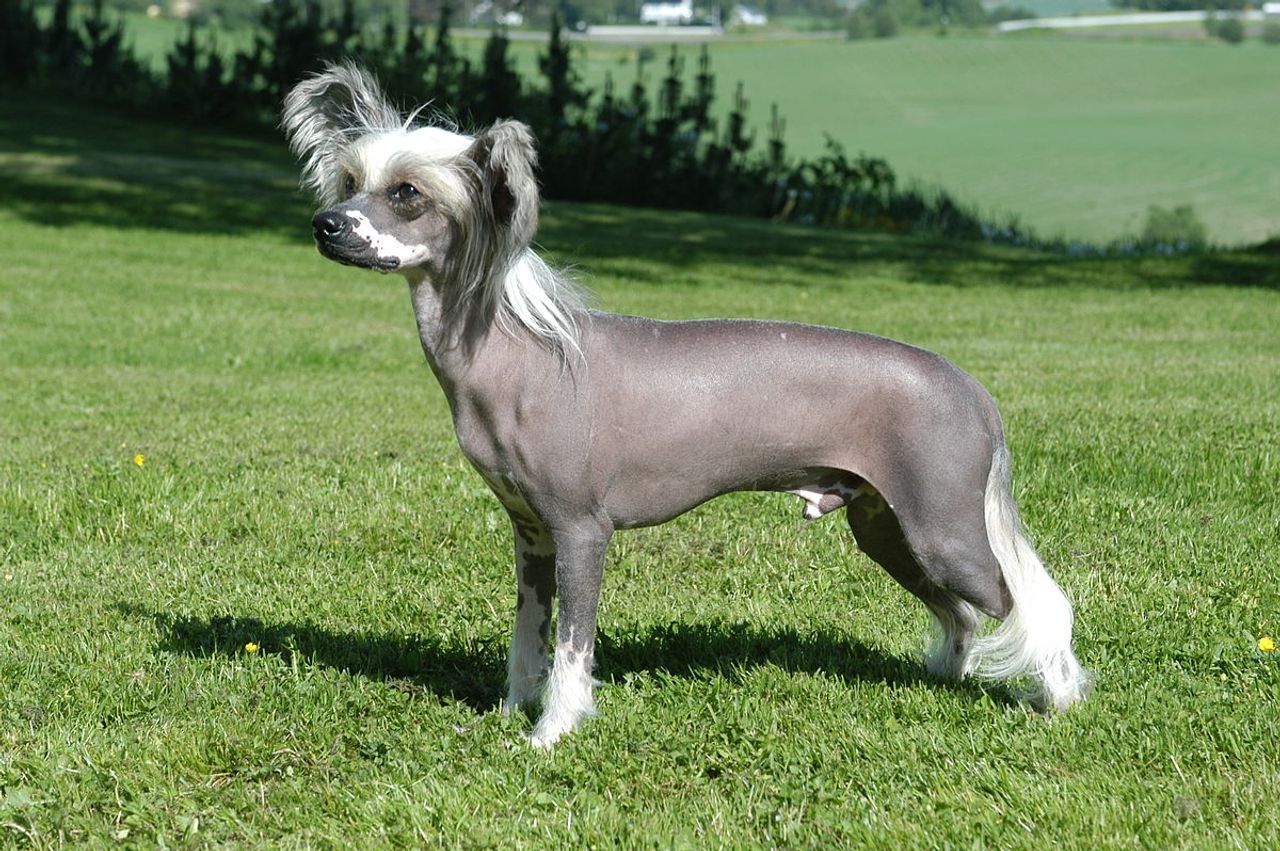
The Peruvian Inca Orchid is a large, elegant breed, with a smooth skin and a hairless coat. The hairlessness is the most important aspect of its appearance, as stated by the FCI breed standard. Hairless dogs, including the Peruvian Inca Orchid, are often used in research for testing conditions such as dermatitis and other immune-related conditions, providing valuable insights into human skin conditions.
These dogs may have short hair on their heads, feet, and tail tips. The skin can be chocolate-brown, elephant-grey, copper, or mottled, and can be totally one color or one color with tongue pink spots. Albinism is not accepted in the breed, as it is a genetic condition that can lead to severe health issues. The eye color is always brown, with clearer eyes in dogs with lighter-colored skin. The coat color standards are strictly followed in dog shows, with specific shades and patterns being preferred.
Peruvian Inca Orchids come in three sizes: small (25–40 cm), medium (40–50 cm), and large (50–65 cm). Their weight ranges from 4 – 8 kg for small dogs, 8 – 12 kg for medium dogs, and 12 – 25 kg for large dogs. The dogs should be slim and elegant, with the impression of force and harmony, without being coarse.
Temperament and Personality
The Peruvian Inca Orchid is known for its loyal, affectionate, alert, intelligent, and agile temperament. This breed is affectionate and has a friendly nature, making it a good companion for families. Despite its hairless appearance, the Peruvian Inca Orchid is not hypoallergenic, as it does not have a hypoallergenic flag rating. However, the breed is generally well-suited for people with allergies, as they do not shed hair.
The breed's adaptability, affection level, child-friendliness, dog-friendliness, energy level, grooming needs, health issues, intelligence, shedding level, social needs, stranger-friendliness, and vocalization have not been rated on a scale of 0-5, indicating a lack of specific data on these aspects.
Lifestyle and Care
The Peruvian Inca Orchid requires moderate energy and is not a high-energy dog. This makes it suitable for owners who prefer a more relaxed lifestyle, while still enjoying the companionship of a dog. The breed is known for its calm demeanor, which is beneficial for households with young children or other pets.
Because the Peruvian Inca Orchid is hairless, it is susceptible to sunburn and temperature extremes. Owners should take care to protect the dog from direct sunlight and ensure the dog is not exposed to extreme heat or cold. This can make dental care important to prevent dental issues, as hairless dogs are more prone to dental problems due to the lack of fur to protect the teeth.
Health Considerations
The Peruvian Inca Orchid may have health issues related to its hairlessness, such as skin conditions and sensitivity to the sun. Owners should be aware of signs of dermatitis and other immune-related conditions, as hairless dogs can be prone to these issues. The breed's hairlessness is due to an incompletely dominant lethal mutation, which means that hairlessness does not breed true. Embryos homozygous for the mutation do not develop in the womb, resulting in an average birthrate of 2:1 of hairless to coated puppies.
Other potential health issues include congenital heart defects, which can be inherited, and hip dysplasia, a condition that affects the hip joint.
Buying and Owning a Peruvian Inca Orchid
When considering a Peruvian Inca Orchid, potential owners should be prepared for the responsibilities of owning a large, hairless dog. The cost of purchasing a Peruvian Inca Orchid can vary, but it is advisable to consider the long-term costs of owning a large dog, including food, grooming, and veterinary care. The breed is known for its long lifespan, which can range from 12 to 15 years, so these costs can accumulate over time.
Peruvian Inca Orchids are a symbol of Peru and a part of its national heritage. Owning one of these dogs can provide a sense of cultural connection and a unique pet experience. The breed's rarity and distinctive appearance make it a sought-after companion for individuals and families who are willing to invest in its care and well-being.
Frequently Asked Questions
What is the lifespan of the Peruvian Inca Orchid?
The average lifespan of the Peruvian Inca Orchid is about 12-14 years. Good nutrition and regular veterinary care support a healthy life.
What is the temperament of the Peruvian Inca Orchid?
The Peruvian Inca Orchid is known for: Loyal, Affectionate, Alert, Intelligent, Agile. Its energy level is moderate.
What size and weight is the Peruvian Inca Orchid?
It is a large dog, typically around 8-25 kg as an adult.
Is the Peruvian Inca Orchid easy to care for?
Reliable grooming and shedding ratings are not available. Routine brushing, ear and dental care, and nail trims are still recommended.
Is the Peruvian Inca Orchid good with kids and other pets?
Reliable child- and pet-friendliness ratings are not available. Supervised, gradual introductions are recommended.
How much exercise does the Peruvian Inca Orchid need?
With a moderate energy level, it needs walks, play or training matched to its stamina.
Peruvian Inca Orchid
Trait Scores
N/A