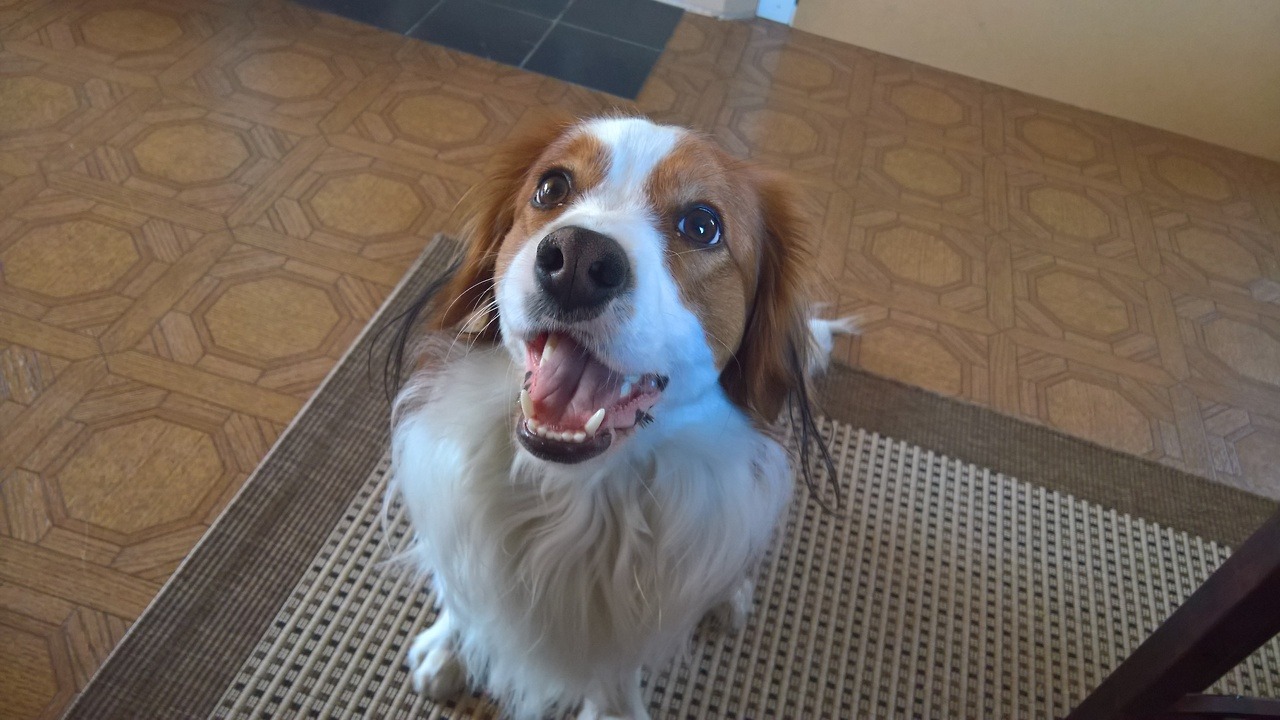
About the Perro Majorero
The Perro Majorero, also known as the Bardino, is a primitive-type molossoid dog native to Fuerteventura, an island in the Canary Islands of Spain. This breed was not formally recognized until 1994 by the Real Sociedad Canina de España and later by the Spanish national government by royal decree in 2001. The word 'majorero' itself refers to the inhabitants of Fuerteventura. The breed has been a part of the island's culture for centuries, evolving alongside the local farmers and shepherds.
The Perro Majorero was primarily used for herding and livestock guardianship, a task that demanded both a sturdy build and an alert temperament to protect goats and cattle. This role required the breed to be resilient, intelligent, and fiercely protective. The breed has not been classified as 'vulnerable' by the Real Sociedad Canina de España as of 2026, though its numbers are estimated to be fewer than a few hundred, reflecting the breed's limited distribution and relatively small population.
History and Origin
Though there are no historical records documenting the exact origins of the Perro Majorero, efforts to conserve this breed began in the 1970s. The breed's history is tied to the life of the Canary Islands, where it was used for its strength and loyalty. Its modern history includes the first single-breed dog show in Gran Tarajal in 1979, which brought together cynologists and breeders from various parts of Spain and beyond to showcase and discuss the breed.
The breed society, the Asociación para la Conservación del Perro Majorero, was established as the successor to the Asociación Protectora del Perro Majorero o Bardino, Toto, in 1989. This society was authorized by the government of the Canary Islands in 2001 under the Real Decreto 558/2001, solidifying the breed's recognition and the commitment to its conservation.
Physical Characteristics
Classified as medium-sized, the Perro Majorero stands between 53 to 61 cm at the withers for bitches and 56 to 63 cm for dogs. Weight ranges from 25 to 35 kg for females and 30 to 40 kg for males. These dogs are sturdy, reflecting their working breed background, yet they possess a graceful elegance, particularly noticeable in their gait and build. Their coat is typically short and dense, providing protection against the elements of the Canary Islands.
One of the breed's distinctive features is its head, which is large, with a strong and broad skull, deep and well-defined cheeks, and a black nose. The eyes are dark, medium-sized, and almond-shaped, and the ears are set high and hang down. The tail is thick at the base, tapering to a point, and often carried over the back when the dog is alert or excited.
Temperament and Personality
The Perro Majorero is known for its loyal and protective nature. They are capable of forming strong bonds with their handlers, showing a strong work ethic in the field and at home. This breed is typically reserved with strangers but can be friendly once they are familiarized. Their alertness makes them excellent watch dogs, and their protective instincts can be quite strong.
Due to their low energy level, they may not be as active as some other breeds, but they can adapt to different living environments. However, their friendliness and energy levels vary, so potential owners should be prepared to provide a stable home that aligns with their pet's social and physical needs.
Breeder Purpose and Usage
Initially bred as working dogs, Perro Majoreros excel as livestock guardians, a purpose for which they are well-suited. Their strength, resilience, and protective nature make them effective at keeping flocks and herds safe from predators. Their agility and stamina, developed through centuries of work, allow them to move swiftly and efficiently across rugged terrain.
Bred in an environment that demanded agility and stamina, these dogs also possess the necessary mental alertness and physical stamina for work. Their laid-back attitude can make them content in a variety of domestic settings as well, provided they have a job to do or a family to protect.
Lifetime and Maintenance
The Perro Majorero typically has a lifespan ranging from 11 to 14 years, which is average for dog breeds of similar size and breed characteristics. Grooming needs include regular maintenance of a medium-length coat to control shedding, along with the necessary veterinary care and nutrition to support a healthy lifestyle. Their coat is typically a brindle or black and white color, with a distinct pattern that can vary from dog to dog.
The breed does not require extensive exercise due to its low energy levels but benefits from daily walks and playtime. Owners should be aware that the breed's shedding is considered moderate and grooming is an essential aspect of maintaining the health and comfort of their dog. Regular brushing helps to manage shedding and keeps the coat healthy.
Health Considerations
Like all breeds, the Perro Majorero is prone to certain health conditions. Owners should be aware of potential issues such as hip dysplasia, which can be a concern in large breeds, and elbow dysplasia, which can affect the dog's mobility.
Additionally, the breed may be susceptible to certain eye conditions, such as progressive retinal atrophy (PRA), which can lead to vision loss. Responsible breeders often conduct genetic testing to minimize the risk of hereditary diseases in the breed.
Buying a Perro Majorero: Practical Considerations
When considering adding a Perro Majorero to your household, there are several practical aspects to keep in mind. Due to their loyal and protective nature, these dogs may require a family or a handler willing to provide consistent leadership and socialization from an early age to ensure a harmonious home environment. Their sturdy build suggests they could be compatible with homes with active lifestyles or those who live in areas with livestock or a need for a watchdog.
Potential owners should be prepared for a lifelong commitment that includes providing adequate exercise, health care, and the right nutrition to ensure their Perro Majorero leads a healthy, fulfilling life. This includes understanding the breed's specific dietary needs and ensuring they have access to quality veterinary care throughout their life.
Frequently Asked Questions
What is the lifespan of the Perro Majorero?
The average lifespan of the Perro Majorero is about 11-14 years. Good nutrition and regular veterinary care support a healthy life.
What is the temperament of the Perro Majorero?
The Perro Majorero is known for: Loyal, Protective, Intelligent, Alert, Confident, Calm, Courageous. Its energy level is low.
What size and weight is the Perro Majorero?
It is a large dog, typically around Male: 30-40; Female: 25-35 kg as an adult.
Is the Perro Majorero easy to care for?
Reliable grooming and shedding ratings are not available. Routine brushing, ear and dental care, and nail trims are still recommended.
Is the Perro Majorero good with kids and other pets?
Reliable child- and pet-friendliness ratings are not available. Supervised, gradual introductions are recommended.
How much exercise does the Perro Majorero need?
With a low energy level, it needs walks, play or training matched to its stamina.
Perro Majorero
Trait Scores
N/A