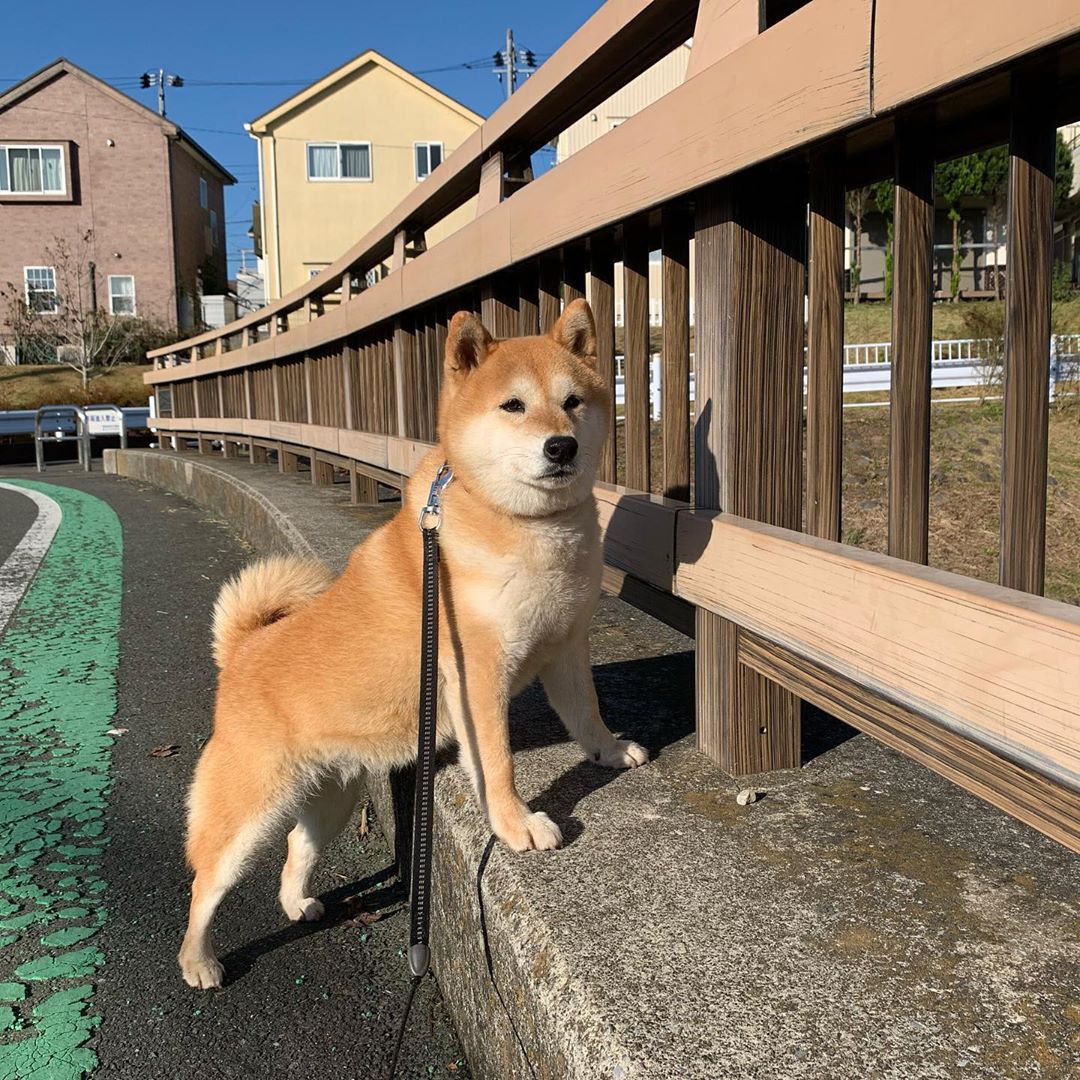
Origin and History
The Perdigueiro Galego has its roots in the autonomous community of Galicia, a region in north-western Spain. This area, known for its lush landscapes, has been home to the breed since the 18th century. The breed was once prevalent in municipalities such as A Mezquita, Viana do Bolo, Riós, Laza, and A Veiga in the Galician Province of Ourense. This breed, alongside others like the Old Spanish Pointer, the Portuguese Pointer, the Pachón Navarro, and the Braque Français, descended from Bracco Italiano-type dogs that were imported into north-western Iberia and south-western France several centuries ago. These dogs were brought to aid in the hunting of game, particularly the partridge, which was a favorite target of the locals.
By the 1970s, the Perdigueiro Galego's numbers began to decline due to the introduction of foreign breeds and a significant drop in partridge populations. The breed faced the threat of extinction. To preserve the breed, breeders identified and recorded the best surviving specimens, leading to the establishment of a stud-book in 2001. This stud-book, managed by the Club de Raza do Perdigueiro Galego, aimed to maintain the breed's genetic diversity and preserve its unique characteristics. The breed's survival was also attributed to the efforts of a few dedicated breeders who worked tirelessly to promote the breed and ensure its future.
Physical Description
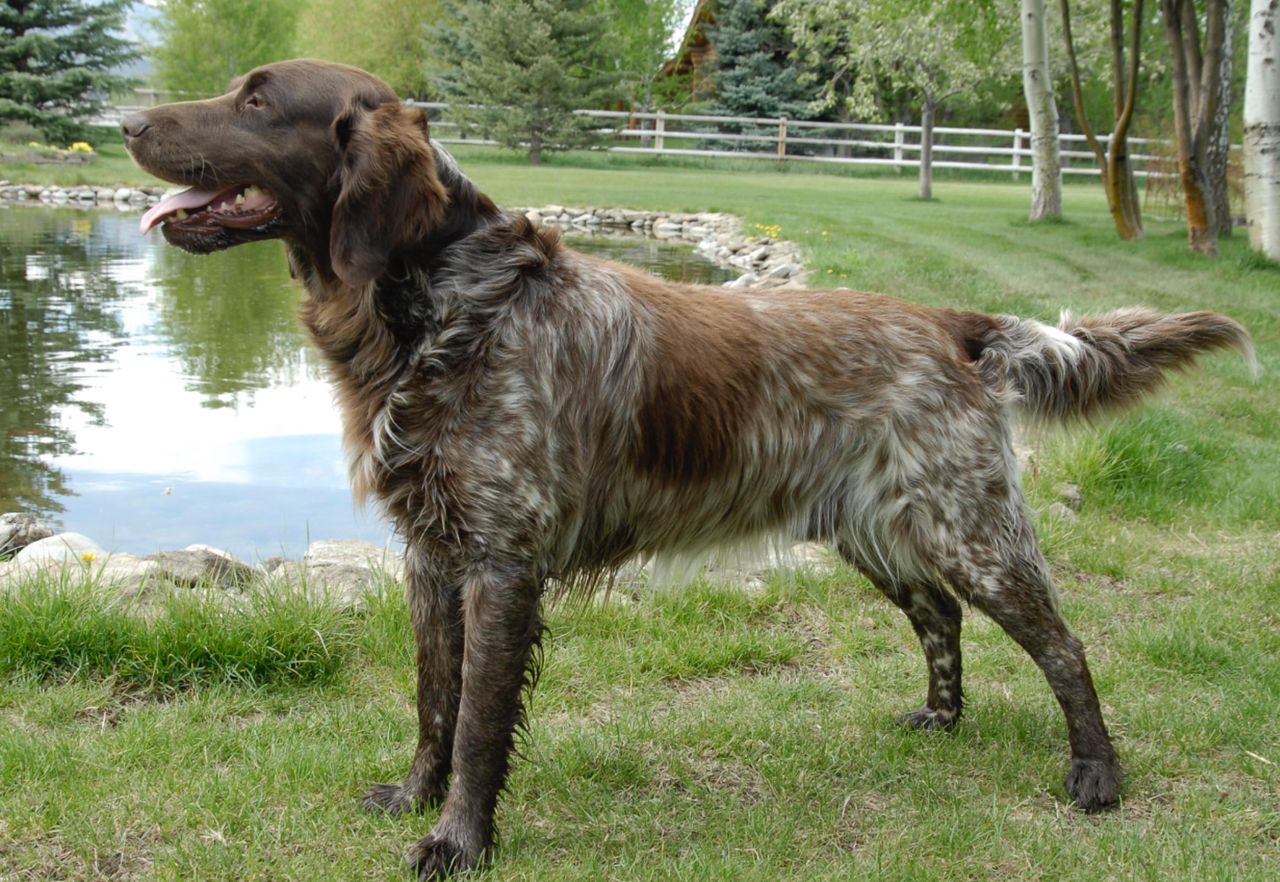
The Perdigueiro Galego is a medium-sized dog, weighing between 20 and 30 kg for males and 18 to 25 kg for females. Its robust build and powerful legs are well-suited for the demands of hunting. The breed stands between 50 and 60 cm at the withers, with males typically 5 cm taller than females, showcasing a considerable degree of sexual dimorphism. This physical difference is a result of the breed's natural selection for hunting abilities, where a taller stature can be advantageous in certain hunting scenarios.
Its coat is short and dense, providing protection in various weather conditions. The coat color can vary, with spotted or mottled bicolour or tricolour patterns being the most common. The color combinations often include chestnut, orange, cinnamon, and black on white. Solid brown, yellow, or black coats are also seen in the breed. The coat's texture and color contribute to the breed's distinctive appearance, which is highly valued by enthusiasts and breeders alike.
Temperament and Abilities
The Perdigueiro Galego is known for its calm and even temperament, making it an excellent choice for those seeking a well-mannered companion. Its docile nature is balanced with a high level of energy, making it a suitable companion for active individuals or families who can provide the exercise and mental stimulation this breed requires.
The breed is a versatile hunter and a capable retriever, especially in upland game retrieval. Its keen sense of smell and strong hunting instincts make it an excellent choice for hunters looking for a dog that can perform a variety of tasks in the field. The breed's ability to point and retrieve game birds such as partridge, quail, and woodcock, as well as small ground game like hare and rabbit, showcases its adaptability and skill in various hunting scenarios.
Health and Genetic Considerations
Like all breeds, the Perdigueiro Galego is prone to certain health conditions. One common issue is hip dysplasia, a condition where the hip joint does not fit together perfectly, which can lead to arthritis and lameness. Another concern is elbow dysplasia, where the elbow joint does not fit together properly, potentially causing pain and mobility issues. Owners may observe limping or difficulty in rising or lying down in affected dogs.
Other health concerns include eye disorders such as cataracts and progressive retinal atrophy, which can lead to vision problems.
Usage and Purpose
Primarily used for hunting, the Perdigueiro Galego is a versatile pointing breed that excels in pointing and retrieving game birds such as partridge, quail, and woodcock. Its hunting abilities are highly valued by hunters seeking a dog that can perform a variety of tasks in the field. The breed's adaptability also makes it suitable for hunting small ground game like hare and rabbit, showcasing its skill in various hunting scenarios.
Its hunting prowess is not limited to traditional hunting methods. The Perdigueiro Galego has also been successfully trained for hunting with firearms, making it a versatile choice for hunters who prefer different hunting techniques. The breed's intelligence and trainability make it capable of learning complex hunting commands and adapting to various hunting environments.
Breeding and Stud-book
The Club de Raza do Perdigueiro Galego manages the stud-book for this breed, established in 2001 to preserve and maintain the breed's characteristics. This registry ensures that only the best surviving specimens are recorded, helping to maintain the breed's genetic diversity and quality.
The club also organizes shows and competitions to promote the breed and encourage breeders to produce dogs that meet the breed standard.
Buyer's Checklist and Cost Realism
- Research the breed's history and temperament to ensure it fits your lifestyle. Understanding the breed's origin and its role in hunting can provide valuable insights into its behavior and needs.
- Prices may range from several hundred to several thousand dollars.
- Prepare for ongoing expenses, including food, grooming, and veterinary care.
- Consider the cost of training, especially if you plan to use the dog for hunting.
Frequently Asked Questions
What is the lifespan of the Perdigueiro Galego?
The average lifespan of the Perdigueiro Galego is about 12-14 years. Good nutrition and regular veterinary care support a healthy life.
What is the temperament of the Perdigueiro Galego?
The Perdigueiro Galego is known for: Intelligent, Loyal, Docile, Energetic, Alert. Its energy level is high.
What size and weight is the Perdigueiro Galego?
It is a large dog, typically around Male: 20-30; Female: 18-25 kg as an adult.
Is the Perdigueiro Galego easy to care for?
Reliable grooming and shedding ratings are not available. Routine brushing, ear and dental care, and nail trims are still recommended.
Is the Perdigueiro Galego good with kids and other pets?
Reliable child- and pet-friendliness ratings are not available. Supervised, gradual introductions are recommended.
How much exercise does the Perdigueiro Galego need?
With a high energy level, it needs walks, play or training matched to its stamina.
Perdigueiro Galego
Trait Scores
N/A