Origin and History
The Pampas Deerhound, also known as Veadeiro Pampeano, originates from the Pampas region of Argentina, Uruguay, and Brazil. This breed was developed for hunting deer in the South American grasslands, specifically targeting the Pampas deer. The name "Pampas Deerhound" reflects its hunting purpose, with "veadeiro" meaning deer-hound and "pampeano" indicating those from the pampas. The breed's lineage is distinct from the National Deerhound, despite the similar names, and is recognized in Brazil by the SOBRACI as a separate breed.
Historically, the Pampas Deerhound was known as Veadeiro, Cervero, or Bianchini, with the latter meaning "whiteness, white, or pale" in Italian. The breed's characteristics have remained stable due to an inbreeding program focusing on dogs with desirable hunting traits. In 2000, the breed was officially recognized by the Brazilian Confederation of Cynophilia (CBKC), although it is not yet recognized by kennel clubs in Uruguay or Argentina. Brazilian breeders are currently seeking FCI recognition for the breed.
Two hypotheses exist regarding the breed's origin. The first suggests that the Pampas Deerhound is descended from primitive dogs like Podengos or Podencos Ibicencos, brought to South America by Portuguese colonists. These dogs were later taken to the Argentinian border by hunters and adapted to the new climate through cross-breeding. The second hypothesis posits that the breed is native to South America, supported by its widespread presence in Brazil, Argentina, and Uruguay. The breed's presence in the pampas region led to the adoption of the name "Pampas Deerhound," although it has since been found in other regions as well.
Physical Characteristics
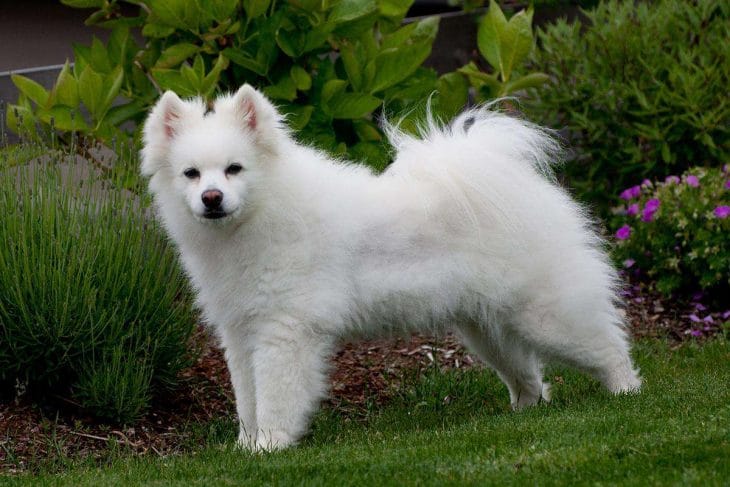
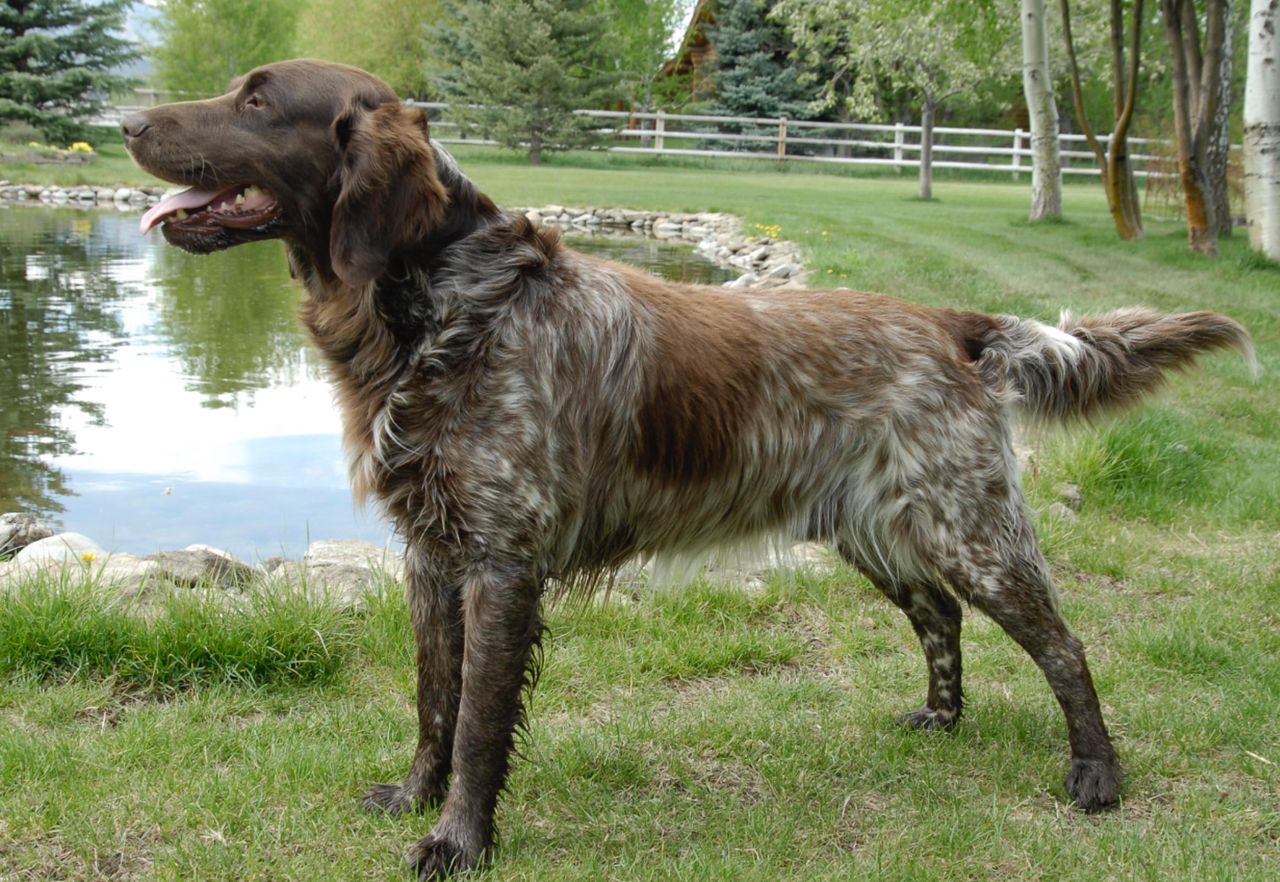
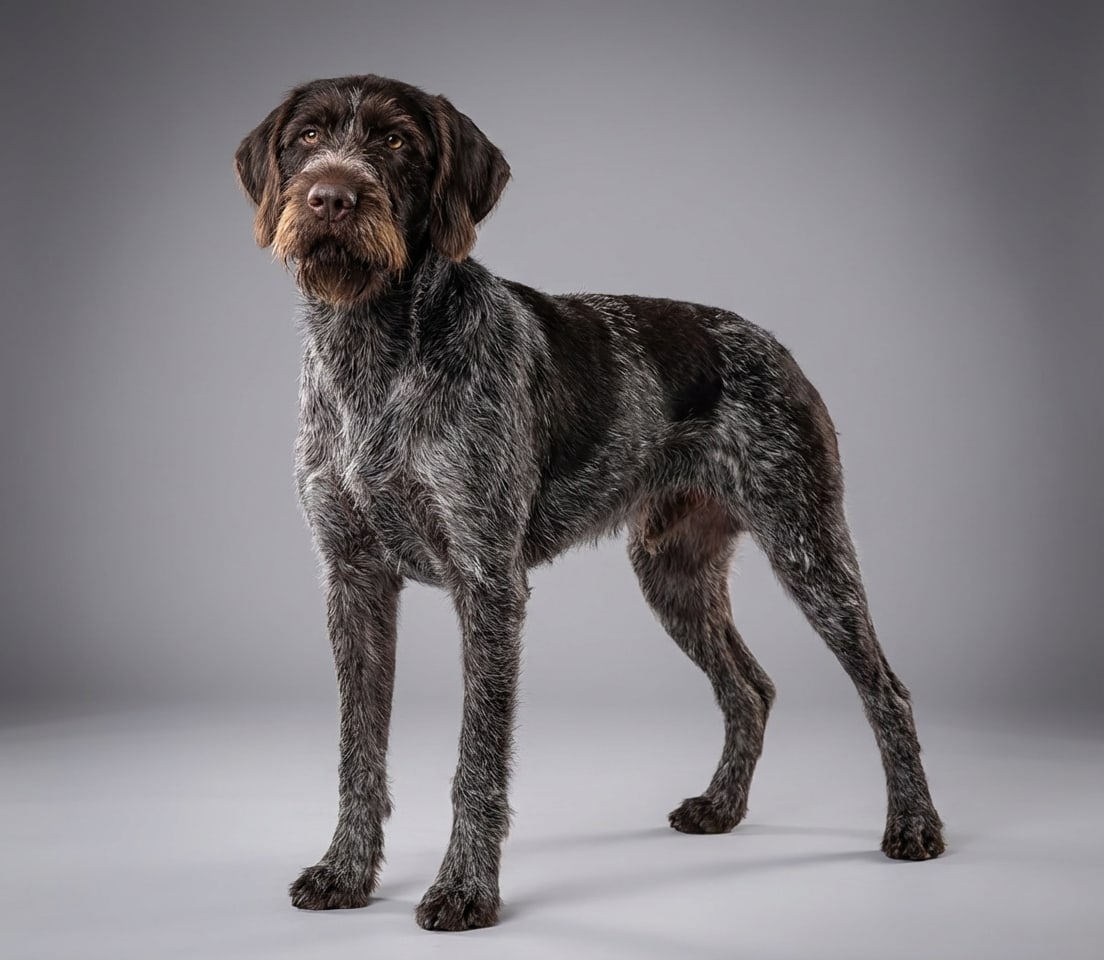
The Pampas Deerhound is a medium-sized, long-legged dog with good muscles, indicating strength and hardiness. The breed is slender but not thin, built for speed. The tail is carried low and does not exceed the hocks, with some dogs having a small fringe towards the lower part of the tail. The nose can be black, brown, or liver-colored, and the muzzle is the same length as the skull, with a not-too-marked stop. Ears are pointed, bent backward (rose ears), and erect when alert. The eyes are greenish or hazel, with varying shades.
The coat of the Pampas Deerhound is short, straight, dense, and rough, without an undercoat. It is odorless and can range from a leonine fawn color to shades of light fawn and white, with the latter colors being the most common. White marks may be present around the neck, chest, and legs, and on the coat itself, either solid or with small or large marks. The breed standard specifies that the coat should be free from mats and tangles, and it should be brushed regularly to maintain its appearance and health.
Adult males weigh between 32-41 kg and stand at 66-76 cm tall at the shoulder, while females weigh between 27-36 kg and stand at 61-71 cm.
Temperament and Behavior
The Pampas Deerhound is known for its loyal, intelligent, energetic, courageous, and devoted temperament. This breed is highly valued for its keen hunting ability, endurance, and resistance. They are excellent scenters and can track prey relentlessly, even over long distances. The Pampas Deerhound is not intimidated by obstacles and can hunt alone, in pairs, in packs, or with its owner.
While hunting, the Pampas Deerhound emits different sounds for various situations: one while finding the trail, another while losing it, and yet another when it is close to the prey. This breed is also known for its quiet demeanor when hunting in packs and its docile and friendly nature with children. They are very attached to their owners and make excellent watchdogs, alerting them to the presence of strangers by barking. The breed's alertness and protective instincts make them suitable for homes where security is a priority.
Despite their inherent aptitude for hunting, the Pampas Deerhound can also be trained for activities like sheep and cattle herding. Their intelligence and agility make them versatile and adaptable to various tasks, including search and rescue, obedience, and agility competitions. The breed's natural athleticism and willingness to please make training sessions both enjoyable and effective.
Health and Genetics
Specific health conditions that may affect this breed include hip dysplasia, which can cause pain and mobility issues, and degenerative myelopathy, a progressive disease of the spinal cord that can lead to weakness and paralysis in the hind legs. These conditions are serious and can significantly impact the dog's quality of life. Responsible breeders conduct genetic testing and health screenings to minimize the risk of these diseases in their breeding programs.
This includes routine check-ups, vaccinations, and preventive care measures. The breed's longevity can be affected by these health conditions, with some studies indicating a life expectancy of 10-12 years for Pampas Deerhounds in good health.
Breeder Purpose and Use
The primary purpose of breeding Pampas Deerhounds is as hounds, specifically for hunting. This breed is highly valued for its tracking and hunting abilities, particularly for deer and wild boars. Their keen sense of smell and tracking instincts make them invaluable to hunters who rely on their dogs to locate and retrieve game.
While their primary use is as hunting dogs, the Pampas Deerhound's versatility also makes them suitable for other activities, such as herding and companionship.
Adaptability and Lifestyle
They are not well-suited for apartment living or those without a yard, as they need ample space to run and play. The Pampas Deerhound requires a home with a secure fence to prevent them from chasing after wildlife or running away. Their high energy levels necessitate daily exercise, including long walks, runs, or off-leash playtime in a safe area.
Their high energy levels and strong prey drive may lead to unintentional accidents or injuries if not properly managed. Owners must be vigilant and provide adequate supervision and training to ensure the safety of both the dog and others. Given their hunting background, the Pampas Deerhound may be more compatible with other dogs and pets that can keep up with their energy levels. They may not be the best choice for those looking for a laid-back, low-energy companion.
Buying a Pampas Deerhound
Look for breeders who prioritize health, temperament, and conformation to the breed standard. Ask for health clearances for the puppy and its parents, including hip and elbow dysplasia screening, and inquire about the breeder's experience with the breed. Reputable breeders will be transparent about their breeding practices and will provide documentation of their dogs' health status.
This breed requires a significant investment of time and resources to ensure their well-being and happiness. Consider the following checklist when buying a Pampas Deerhound:
- Reputable breeder with experience in the breed
- Health clearances for the puppy and its parents
- Accommodation for the dog's energy and exercise needs
- Commitment to responsible pet ownership
Frequently Asked Questions
What is the lifespan of the Pampas Deerhound?
The average lifespan of the Pampas Deerhound is about 12-14 years. Good nutrition and regular veterinary care support a healthy life.
What is the temperament of the Pampas Deerhound?
The Pampas Deerhound is known for: Loyal, Intelligent, Energetic, Courageous, Devoted. Its energy level is high.
What size and weight is the Pampas Deerhound?
It is a large dog, typically around Male: 32-41; Female: 27-36 kg as an adult.
Is the Pampas Deerhound easy to care for?
Reliable grooming and shedding ratings are not available. Routine brushing, ear and dental care, and nail trims are still recommended.
Is the Pampas Deerhound good with kids and other pets?
Reliable child- and pet-friendliness ratings are not available. Supervised, gradual introductions are recommended.
How much exercise does the Pampas Deerhound need?
With a high energy level, it needs walks, play or training matched to its stamina.
Pampas Deerhound
Trait Scores
N/A