Origin and Historical Background
The Old English Sheepdog, known for its large size and shaggy coat, originated in England. The breed emerged from early types of herding dogs and was initially called the "Shepherd's Dog. " The nickname "Bob-tail" comes from the traditional docking of the dogs' tails, which has become less common due to legal restrictions in many countries. The Old English Sheepdog has a rich history, with one of its ancestors, the Smithfield or Cotswold Cor, a bobtailed drovers dog, which was a robust and intelligent breed used by farmers and drovers for driving livestock. The breed was first exhibited at a dog show in Birmingham, England, in 1873, and by the turn of the 20th century, it had gained popularity in the United States. The Old English Sheepdog has been the brand mascot for Dulux paint since 1961, solidifying its iconic status and leading to the breed being colloquially referred to as a 'Dulux dog' in some markets.
Historical figures such as Queen Victoria were known to have owned Old English Sheepdogs, which contributed to the breed's popularity. The breed was also featured in various literature and art, further enhancing its cultural significance. The Old English Sheepdog's heritage as a working dog is evident in its physical characteristics, which were developed to protect and herd sheep through harsh weather conditions and rugged terrain.
Appearance and Physical Characteristics
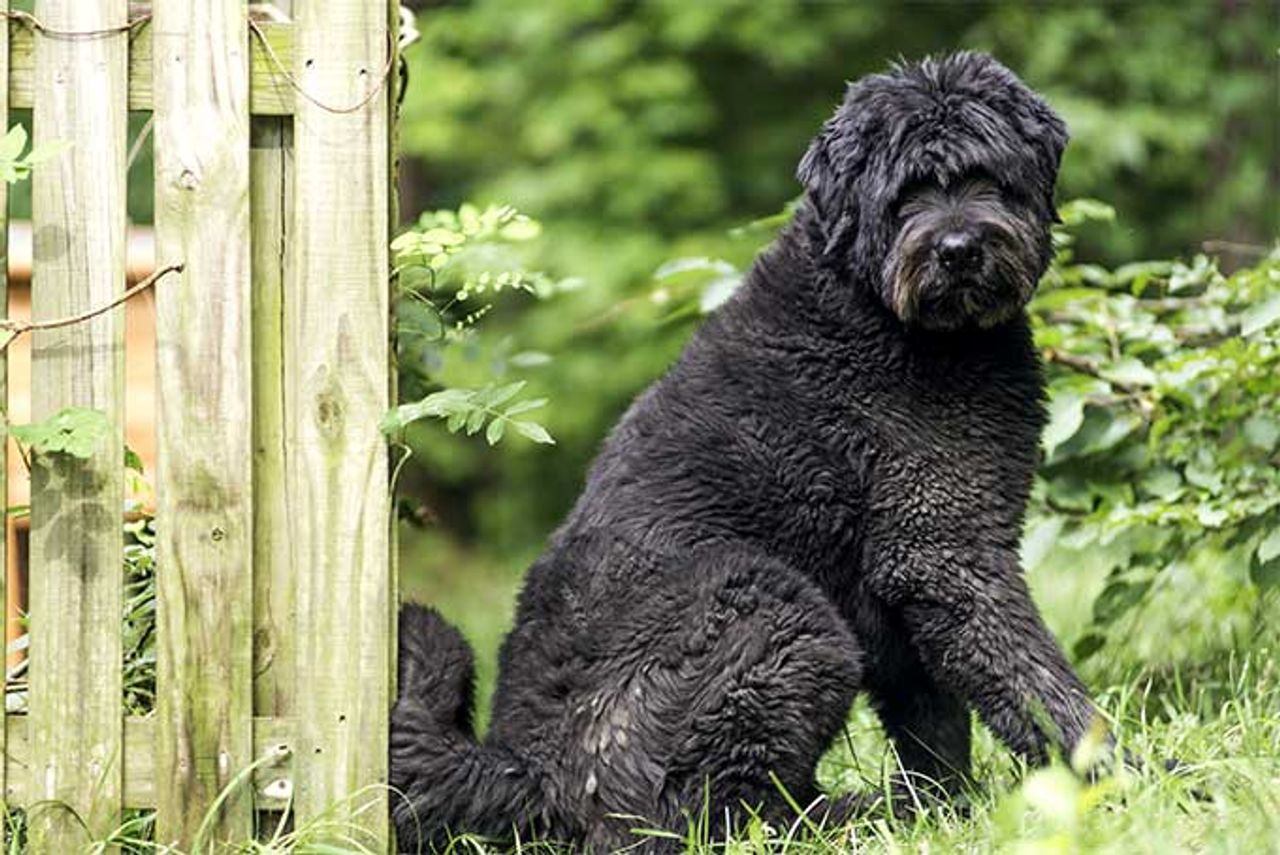
The Old English Sheepdog is a large, athletic dog with a distinctive shaggy double coat in shades of grey, grizzle, black, blue, or blue merle, often with white markings. The coat is long and thick, covering the face and eyes, and is water-resistant. Puppies are born with a black and white coat, which changes to the more common grey or silver shaggy hair as they grow. The breed's ears lie flat to the head, and the tail, when present, is long, feathered, low set, and hangs down. The tail was traditionally docked, but this practice has decreased due to legal bans in many countries. The Old English Sheepdog stands lower at the shoulder than at the loin and has a "bear-like roll from the rear" when walking, which is a distinctive gait that is characteristic of the breed.
Height at the withers is at least 61 cm (24 inches) for males and slightly smaller for females, with males weighing between 32-45 kg (70-99 pounds) and females between 27-39 kg (60-86 pounds). The body is short and compact with a deep chest and 'well-sprung' ribs, which are adapted for the physical demands of their original herding role.
Temperament and Personality
The Old English Sheepdog is known for its intelligent, gentle, playful, adaptable, and affectionate temperament. These dogs are highly trainable and excel in various activities, including agility, obedience, Rally obedience, Schutzhund, showmanship, flyball, tracking, and herding events. Their herding instincts and trainability can be measured at noncompetitive herding tests. Their social nature also makes them good with other pets if introduced properly at a young age.
Despite their high energy levels, the Old English Sheepdog can adapt well to different living situations, making them suitable for a variety of households. Their medium level of friendliness and shedding, along with their high trainability, contribute to their popularity as family pets. The breed's intelligence and desire to please their owners make them responsive to positive reinforcement training methods.
Health Considerations
The Old English Sheepdog has a life expectancy of 10-12 years, which is slightly lower than the average for purebreds. The breed is predisposed to several health issues, including allergic skin disease, demodicosis, hip dysplasia, gastric dilatation volvulus (GDV), dilated cardiomyopathy, and an autosomal recessive mutation in the MDR1 gene that makes them sensitive to certain drugs, such as ivermectin. Early detection and management of these issues can significantly improve the quality of life for the Old English Sheepdog.
Owners should be aware of the breed's potential health concerns and be prepared to manage them appropriately. Allergies can be managed with medication and environmental control measures.
Breeder Purpose and Uses
The primary purpose of breeding Old English Sheepdogs is for herding. However, their versatility extends beyond herding, and they excel in various dog sports and activities, as well as being loyal and affectionate companions. The breed's adaptability and intelligence make them suitable for a variety of roles, from family pets to working dogs. Their historical role as herders has shaped their temperament and physical characteristics, contributing to their popularity as all-around dogs. The Old English Sheepdog's strong herding instincts are still evident in their behavior, and they can be trained for various dog sports and activities that require precision and focus.
Today, the Old English Sheepdog is recognized by major kennel clubs around the world, including the American Kennel Club (AKC), the United Kennel Club (UKC), and the Kennel Club (UK). The breed has a long history of participation in dog shows and has won numerous championships. Their versatility has also made them popular in film and television, where they have been featured in various roles, from family pets to working dogs.
Adaptability and Living Arrangements
They can adapt to apartment living if they receive adequate exercise and mental stimulation.
Given their size and shedding, the Old English Sheepdog may not be the best choice for those with severe allergies. However, their hypoallergenic flag is set to 0, indicating that they are not considered hypoallergenic.
Buying and Owning an Old English Sheepdog
- Health: Ensure that the dog has been thoroughly vetted for potential genetic health issues. This includes a clear bill of health from a veterinarian and possibly genetic testing for conditions like hip dysplasia and MDR1 mutations.
- Temperament: Look for a dog with a balanced temperament, considering their energy levels and adaptability. A well-socialized puppy is more likely to be a well-behaved adult.
- Exercise: Provide ample opportunities for physical and mental stimulation to keep your dog happy and healthy. This includes regular walks, playtime, and activities that challenge their intelligence.
- Training: Invest in training to harness their intelligence and trainability.
Old English Sheepdogs can be a wonderful addition to a family or individual looking for a loyal, intelligent, and affectionate companion. Their historical role as herders and their versatile nature make them a popular choice for those seeking a well-rounded dog. Potential owners should be prepared for the responsibilities of owning a large dog with a high level of energy and grooming needs.
Frequently Asked Questions
What is the lifespan of the Old English Sheepdog?
The average lifespan of the Old English Sheepdog is about 10-12 years. Good nutrition and regular veterinary care support a healthy life.
What is the temperament of the Old English Sheepdog?
The Old English Sheepdog is known for: Intelligent, Gentle, Playful, Adaptable, Affectionate. Its energy level is high.
What size and weight is the Old English Sheepdog?
It is a large dog, typically around Male: 32-45; Female: 27-39 kg as an adult.
Is the Old English Sheepdog easy to care for?
Reliable grooming and shedding ratings are not available. Routine brushing, ear and dental care, and nail trims are still recommended.
Is the Old English Sheepdog good with kids and other pets?
Reliable child- and pet-friendliness ratings are not available. Supervised, gradual introductions are recommended.
How much exercise does the Old English Sheepdog need?
With a high energy level, it needs walks, play or training matched to its stamina.
Old English Sheepdog
Trait Scores
N/A