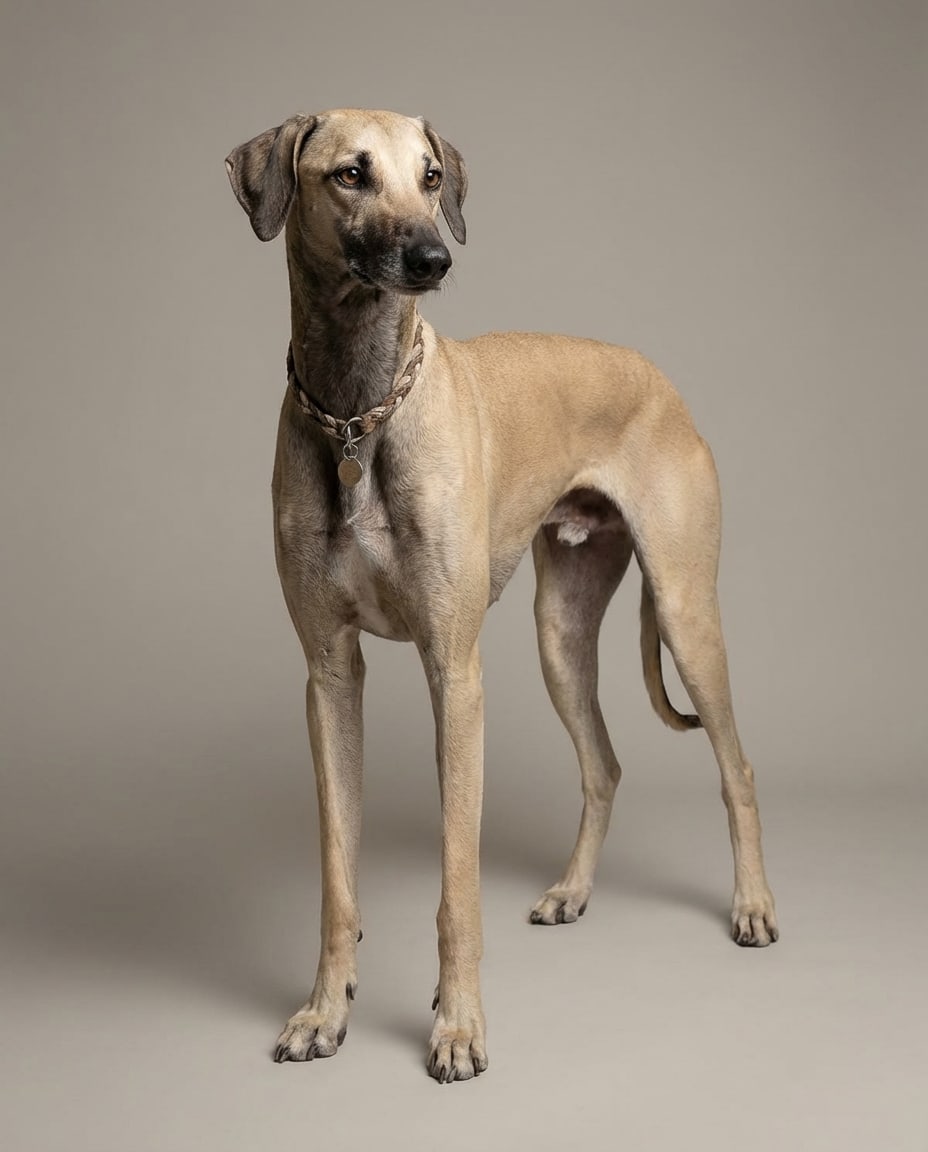
Origins and Breed History
The Old Danish Pointer, also known as the gammel dansk hønsehund or "Old Danish Fowl-Dog," is a breed that hails from Denmark. This medium to large dog breed has a history tracing back to the 17th Century, with its lineage stemming from the Spanish Pointer. The breed was developed by Danish hunters to assist in pointing out specific types of birds, particularly the Galliformes order and the Phasianidae family, which are often referred to in Denmark as Hen birds or Chicken birds. The Old Danish Pointer was instrumental in hunting these birds, which were a significant part of the Danish diet at the time.
In April 2026, the Old Danish Pointer was recognized and added to the American Kennel Club Foundation Stock Service (FSS), signifying its acceptance within the United States' dog registry. This recognition marked a significant milestone for the breed, as it gained exposure to a broader audience and new potential owners.
While the name might suggest a relation to chickens, it actually refers to the dog's ability to point out specific types of birds. This misconception led to the English name "Old Danish Chicken Dog," which is considered incorrect or at best a poor translation of the breed's true function and heritage. The breed's original purpose was to serve as a hunting companion, not a pet, and this is reflected in its physical and behavioral characteristics.
Breed Characteristics and Appearance
The Old Danish Pointer is a strongly built breed, with distinct features that set it apart. Males typically range in height from 56 to 62 centimeters (22 to 24 inches), with a preference for those above 56 centimeters. Females, on the other hand, are slightly shorter, with a preferred height of 54 to 60 centimeters (21 to 24 inches). In terms of weight, males weigh between 30 and 36 kilograms (66 to 77 pounds), while females are generally lighter, with weights ranging from 26 to 35 kilograms (57 to 77 pounds).
One of the most charming features of the breed is the considerable difference in appearance between males and females. While the male is substantial and powerful, the female is lighter, more spirited, and sometimes more capricious, reflecting a nuanced distinction within the breed. This distinction can be observed in their body structure, with males having a more robust build and females displaying a more agile form.
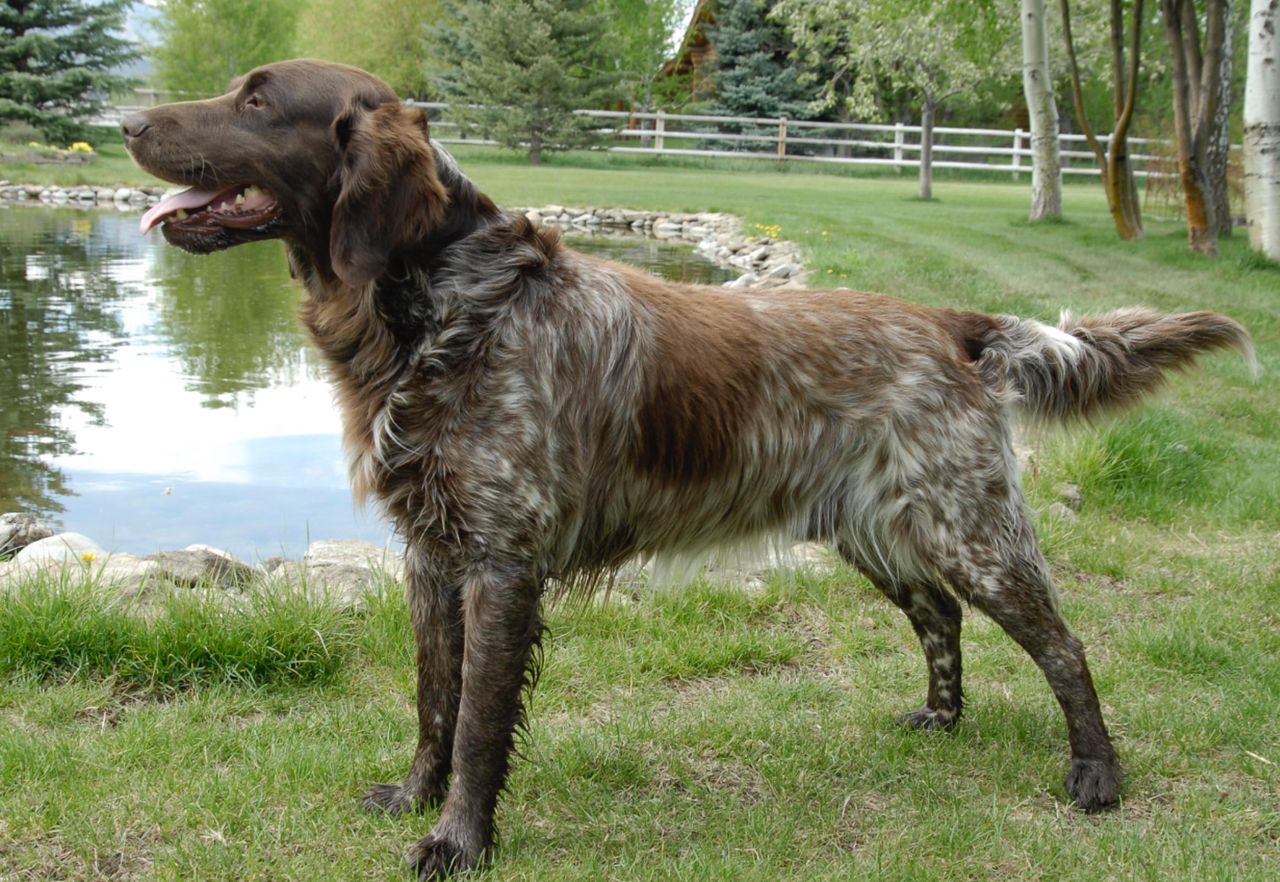
Their coat is white with distinctive brown markings, a coloration that is as unique as the breed itself. Despite being a sporting breed, the Old Danish Pointer does not carry a hypoallergenic flag, meaning those with allergies might want to exercise caution when considering this breed.
Temperament and Personality
Characterized by its calm and stable temperament, the Old Danish Pointer is a dog that exhibits determination and courage. During hunting activities, the breed moves at a rather slow pace, always maintaining contact with the hunter. Their calmness is particularly valuable in environments where precision is key, such as in dense woodlands or during long hunting trips.
While not named as a friendly family dog in the ratings, the Old Danish Pointer is indeed affectionate and sociable. They form strong bonds with their owners and can be excellent companions for those who enjoy outdoor activities. However, their intense focus on hunting can sometimes make them less attentive to other family members, especially during periods of high alertness.
Breeding Purpose and Suitability
The primary breeding purpose of the Old Danish Pointer is for sporting activities, particularly hunting. The breed's natural instincts and physical attributes make it highly effective in pointing out birds, which is a skill that has been refined over centuries of selective breeding.
While they were initially bred for hunting, their versatile temperament also makes them suitable as pets, especially in homes that can accommodate their size and energy level. However, their hunting instincts may not be fully compatible with environments that lack ample space or outdoor activities.
As the breed is not well-suited for apartments or small yards, potential owners should consider their living space carefully before committing to an Old Danish Pointer. They require a home with access to a yard or open areas where they can run and exercise regularly. This is particularly important for maintaining their physical and mental health.
Health and Genetics
Although the reference text does not detail specific conditions, owners should be vigilant about common genetic predispositions. Other conditions to watch for include elbow dysplasia, which affects the joint's stability, and eye disorders, such as cataracts and progressive retinal atrophy.
Genetically, the Old Danish Pointer inherits traits from the Spanish Pointer, including endurance and a strong prey drive. While these traits are desirable for hunting, they may also necessitate careful training and socialization to prevent undesirable behaviors, such as chasing small animals or becoming overly protective of their territory.
Care and Grooming
While the breed does not require extensive grooming, regular maintenance is key to keeping the dog's coat in top condition. The Old Danish Pointer has a dense, water-repellent coat that requires regular brushing to prevent mats and tangles. They typically shed seasonally, so more frequent grooming may be necessary during these periods.
Bathing the Old Danish Pointer should be done as needed, rather than on a regular schedule. Overbathing can strip the natural oils from the coat, leading to skin issues.
Given their sporting heritage, this breed may have higher energy levels that can contribute to a longer and more active life.
Buying an Old Danish Pointer
- Space: Ensure you have a yard or access to open areas where your dog can run and exercise regularly. The breed requires ample space to roam and explore.
- Lifestyle: If your lifestyle involves active outdoor pursuits, this breed could be a good fit.
- Training: Invest time in training and socialization to ensure a well-behaved and adaptable dog. The breed's strong prey drive and hunting instincts may require consistent training and redirection.
- Health: Be prepared for potential genetic health issues.
Potential owners should research local breeders or shelters for pricing and adoption opportunities. Adopting from a shelter can also be a rewarding option, as many adult dogs are looking for a second chance at a loving home.
Frequently Asked Questions
What is the lifespan of the Old Danish Pointer?
The average lifespan of the Old Danish Pointer is about 12-14 years. Good nutrition and regular veterinary care support a healthy life.
What is the temperament of the Old Danish Pointer?
The Old Danish Pointer is known for: Calm, Gentle, Intelligent, Loyal, Confident, Courageous. Its energy level is low.
What size and weight is the Old Danish Pointer?
It is a large dog, typically around Male: 30-36; Female: 26-35 kg as an adult.
Is the Old Danish Pointer easy to care for?
Reliable grooming and shedding ratings are not available. Routine brushing, ear and dental care, and nail trims are still recommended.
Is the Old Danish Pointer good with kids and other pets?
Reliable child- and pet-friendliness ratings are not available. Supervised, gradual introductions are recommended.
How much exercise does the Old Danish Pointer need?
With a low energy level, it needs walks, play or training matched to its stamina.
Old Danish Pointer
Trait Scores
N/A