Origins and Historical Significance
The Norwegian Elkhound, a spitz-type hunting dog, has its origins in Norway, where it has been a cherished breed for centuries. Recognized as the National Dog of Norway, it has served various roles including hunting, guarding, herding, and defense. This breed's versatility is highlighted by its participation in hunting large game such as elk, moose, bears, and wolves. The Norwegian Elkhound was first presented at a dog exhibition in Norway in 1877, showcasing its historical significance and adaptability. The breed's lineage is deeply rooted in the northern Scandinavia region, belonging to the mitochondrial DNA sub-clade referred to as d1. This sub-clade, which originated between 480 and 3,000 years ago, includes all Sami-related breeds, such as the Finnish Lapphund and the Swedish Lapphund. The Norwegian Elkhound's genetic history is marked by a post-domestication hybridization with a female wolf, which has contributed to its unique characteristics. Genetically, the Norwegian Elkhound is 98% identical to the Jämthund, a breed from Sweden. This genetic similarity underscores the breed's origins and its close relationship with other northern European hunting dogs. The breed's popularity outside of Norway was relatively limited until it appeared in England in the 19th century, and it was officially recognized by The Kennel Club in 1901.
Historical records indicate that the Norwegian Elkhound was a favorite of King Olav V of Norway, who owned several of the dogs. The breed's loyalty and hunting abilities were highly valued, and it was often used by the King's hunters for tracking large game. The breed's role in Norwegian history has been well-documented, with references to its use in military and police work during the 19th and early 20th centuries. The Norwegian Elkhound's contribution to the defense of the country during World War II is also notable, as it was used to track enemy soldiers and locate missing personnel.
Physical Description
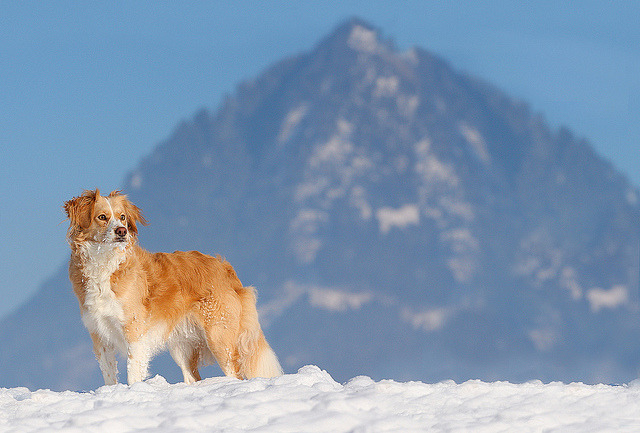
The Norwegian Elkhound is a medium-sized dog, with males typically standing at 50 to 53 centimeters (19.5 to 20.5 inches) and weighing between 22 and 27 kilograms (51 to 59 pounds). Females are slightly smaller, with a height of 48 to 51 centimeters (19 to 20 inches) and a weight of 20 to 25 kilograms (44 to 55 pounds). The breed is characterized by its thick double coat, which ranges in color from silver grey on the legs, tail, and underbody to black at the muzzle, ears, and tail tip. The overlying guard coat is black-tipped, providing a protective layer against the elements. According to The Kennel Club's breed standard, an ideal Norwegian Elkhound has a tightly curled tail. The Norwegian Elkhound's coat is neither excessively long nor excessively short, making it a medium-length coat that requires moderate attention to keep it in good condition.
Coat color and pattern standards are strictly followed by breeders and judges. The most common color is silver grey with black tips on the guard hairs, but other acceptable colors include black, gray, and wolf grey. The breed's distinctive markings include a black mask, a white blaze on the face, and a white tip on the tail. These markings contribute to the breed's striking appearance and are a result of its ancient genetic heritage.
Temperament and Character
The Norwegian Elkhound is known for its bold and energetic nature, making it an excellent choice for active families. This breed is friendly, confident, and loyal, forming a strong bond with its owners. It is also independent, which can sometimes lead to a bit of mischief and a need for clear boundaries. The breed's intelligence and alertness make it a suitable watchdog, as it has a sharp and loud bark that can be effective in alerting owners to potential threats. The Norwegian Elkhound ranks 36th in Stanley Coren's The Intelligence of Dogs, indicating it has above-average working/obedience intelligence. This trait, combined with its loyalty and energy, makes it a great companion for those willing to invest time in training and socializing. Without adequate physical and mental stimulation, this breed can become restless and destructive.
The Norwegian Elkhound's temperament also includes a strong sense of curiosity and a natural hunting instinct. This can lead to a tendency to chase small animals, so owners must be prepared to manage this behavior, especially in areas where such activities are not allowed. The breed's protective nature means that it may be wary of strangers, but proper socialization can help ensure that this trait does not become overly aggressive.
Health Considerations
Like all breeds, the Norwegian Elkhound is prone to certain health issues. A 2024 UK study found that the average life expectancy for this breed is 12.9 years, which is slightly higher than the average for purebreds. One health condition to be aware of is primary renal glucosuria, an inherited abnormality that reduces the tubular epithelial cells' ability to reabsorb glucose, predisposing the dog to lower urinary tract bacterial infections. This condition is a significant concern for owners and requires careful management, including regular monitoring of urine sugar levels and prompt treatment of any infections.
Other health issues include chondrodysplasia, a form of inherited chondrodysplasia characterized by curvature of the forelimbs, carpal valgus, and a shortening of the vertebral body. This condition is caused by a recessive nonsense mutation in the ITGA10 gene and has been described since the 1980s. The breed is also susceptible to hip dysplasia, a common condition in large breeds that can lead to lameness and arthritis. Regular vet check-ups and appropriate diet and exercise can help manage these conditions.
Living with a Norwegian Elkhound requires a commitment to its active lifestyle and grooming needs. A securely fenced yard is also beneficial for this breed, as it has a strong hunting instinct and may be inclined to roam. Training and socialization are key to ensuring a harmonious relationship with a Norwegian Elkhound. Start training early and be consistent with commands. Socialization should begin early as well, introducing the dog to various people, pets, and environments to develop a well-rounded temperament. This involves regular brushing and occasional baths, as well as checking for skin irritations or infections.
Breed-Specific Numbers
According to the American Kennel Club (AKC), the Norwegian Elkhound is the 70th most popular breed in the United States as of 2023. This popularity has led to a significant increase in the number of registered Norwegian Elkhounds, with over 5,000 new registrations each year. The breed's popularity has also increased in other countries, with the United Kingdom registering over 1,000 new Norwegian Elkhounds annually. These numbers reflect the breed's growing appeal as a loyal and versatile companion.
The Norwegian Elkhound's registry history dates back to the late 19th century, when the first breed clubs were established in Norway. These clubs worked to preserve the breed's characteristics and promote its use in hunting and other roles. The breed's registry has since expanded to include dogs from across the globe, ensuring that the breed remains true to its historical roots while also adapting to modern living conditions.
Buying a Norwegian Elkhound
When considering the purchase of a Norwegian Elkhound, there are several factors to consider. Additionally, factor in the ongoing costs of food, veterinary care, training, and grooming. The average annual cost of owning a Norwegian Elkhound is estimated to be between $2,000 and $3,000, which includes food, routine veterinary care, and grooming. Ask about the breeder's experience with the breed and request to see the dogs' living conditions. Reputable breeders will be happy to provide information about their breeding practices and the health of their dogs.
Be prepared for the long-term commitment of owning a Norwegian Elkhound. This breed has an average life expectancy of 12 to 15 years, which requires a significant investment of time and resources. Consider whether your lifestyle and home environment can accommodate the needs of this energetic and versatile breed. Norwegian Elkhounds require a considerable amount of exercise and mental stimulation, so owners must be prepared to provide daily walks, playtime, and training sessions. The breed's strong hunting instincts also mean that it may benefit from access to a securely fenced yard or a dog park where it can safely explore and burn off energy.
Frequently Asked Questions
What is the lifespan of the Norwegian Elkhound?
The average lifespan of the Norwegian Elkhound is about 12-15 years. Good nutrition and regular veterinary care support a healthy life.
What is the temperament of the Norwegian Elkhound?
The Norwegian Elkhound is known for: Friendly, Confident, Energetic, Loyal, Independent. Its energy level is high.
What size and weight is the Norwegian Elkhound?
It is a large dog, typically around Male: 22-27; Female: 20-25 kg as an adult.
Is the Norwegian Elkhound easy to care for?
Reliable grooming and shedding ratings are not available. Routine brushing, ear and dental care, and nail trims are still recommended.
Is the Norwegian Elkhound good with kids and other pets?
Reliable child- and pet-friendliness ratings are not available. Supervised, gradual introductions are recommended.
How much exercise does the Norwegian Elkhound need?
With a high energy level, it needs walks, play or training matched to its stamina.
Norwegian Elkhound
Trait Scores
N/A