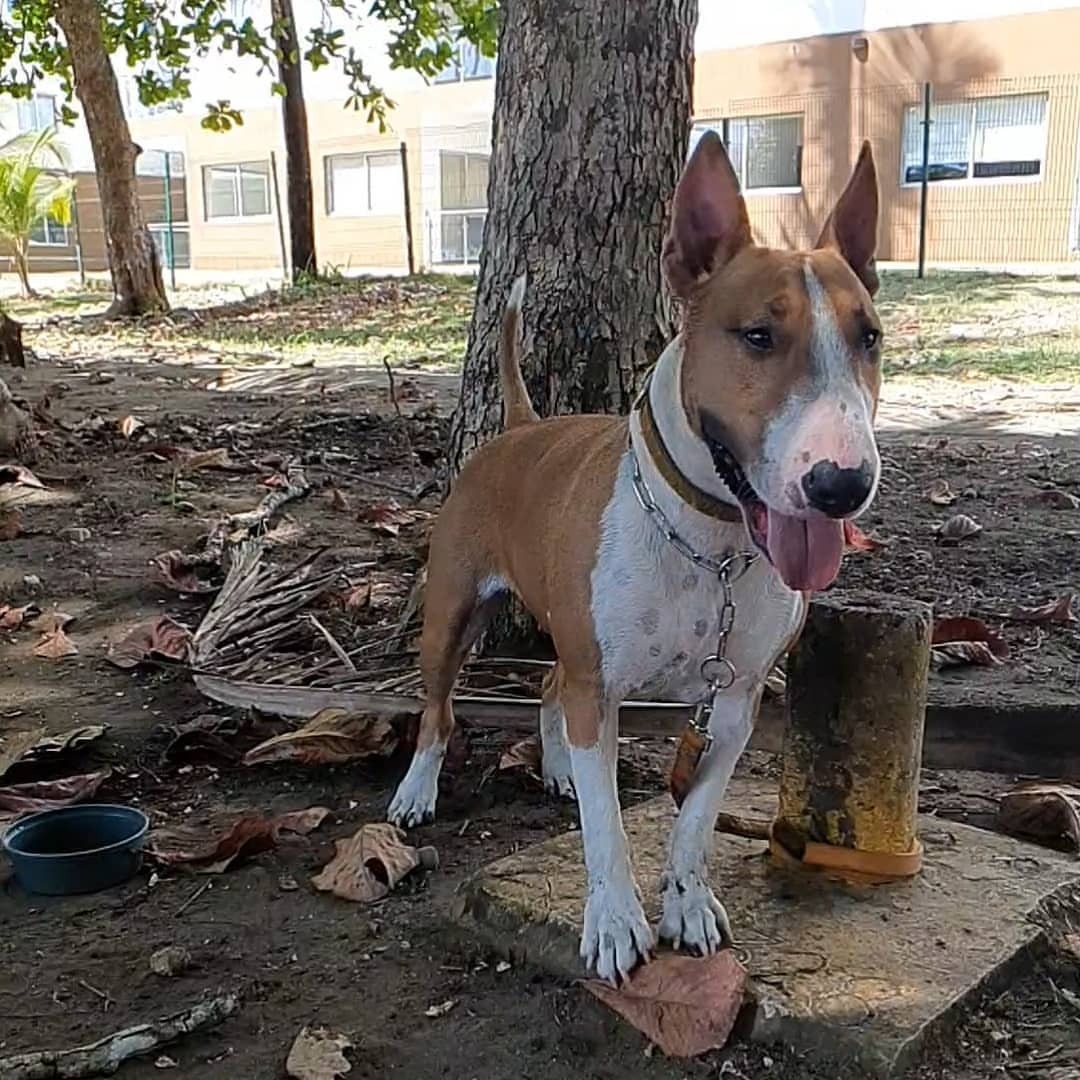
General Appearance and Origin
The Norwegian Buhund, a spitz-type dog, hails from Norway, where it has been a vital part of farming and herding for centuries. This breed features a square profile, a high-set, tightly curled tail, and a wedge-shaped head with pricked ears and a black nose. Their back is level, and they possess a deep chest, contributing to their sturdy yet agile build.
Measuring between 43 to 45 centimeters (17 to 18 inches) in height, males typically range from 43 to 46 centimeters (17 to 18 1/2 inches), while females are slightly shorter at 41 to 45 centimeters (16 1/2 inches). Males weigh between 14 to 18 kilograms (31 to 40 pounds), and females weigh between 12 to 16 kilograms (26 to 35 pounds). The Buhund's coat is short to medium in length, shedding moderately and requiring weekly brushing, especially during the twice-yearly blowing coat period.
The coat colors include wheaten shades from pale cream to bright orange, with or without dark tipped hairs, and black, with as little white as possible. Permissible white areas include a narrow ring around the neck, a narrow blaze on the face, a small patch on the chest, white feet, and the tip of the tail. Gray dogs with coats similar to the Norwegian Elkhound and the UK Wolf Sable are also recognized.
Historically, the Norwegian Buhund has been a part of the working class, with its origins traced back to the 9th century. The breed was first mentioned in a medieval document from 1324, and it was used by the Vikings for protection and companionship. The breed's adaptability to various climates and terrains, including the rainy western coastlands of Norway, contributed to its survival and popularity.
During the 19th century, the breed faced a decline in numbers due to changes in farming practices and the introduction of more efficient herding dogs. However, dedicated breeders worked to preserve the breed, and in 1930, the Norwegian Buhund was recognized by the Norwegian Kennel Club. The breed's popularity has since grown, and it is now recognized by various kennel clubs worldwide.
Temperament and Energy Level
The Norwegian Buhund is known for its cheerful disposition, intelligence, and energetic nature. This breed is highly adaptable, friendly, and confident, making it an excellent choice for families. Their alertness and loyalty make them natural watch dogs, though they may be wary of strangers. This breed is playful and forms strong bonds with their owners, often seeking affection and attention.
Despite their high energy levels, Norwegian Buhunds do not tire easily and require extensive daily exercise. Without adequate physical activity, they may become destructive or ill-mannered. Their intelligence and desire to learn make them highly trainable, and they excel in activities such as agility and sports. The American Kennel Club (AKC) recognizes the Norwegian Buhund in the Herding Group, reflecting their natural herding instincts.
New owners should be prepared for the Norwegian Buhund's tendency to bark at new noises or movements, which can be problematic for those unaccustomed to this behavior. Their communicative nature and bravery are balanced by a rare propensity to snap or bite without provocation, making them a generally safe and friendly breed. The breed's temperament is well-suited for individuals or families who can provide consistent training and socialization.
Health Considerations
Eye issues can manifest as cloudiness, redness, or other abnormalities, which can affect vision. Hip dysplasia, a common condition in many breeds, can lead to pain and mobility issues. The Norwegian Buhund may also be prone to other health conditions such as von Willebrand's disease, a bleeding disorder, and epilepsy.
Responsible breeders conduct health screenings on their dogs to reduce the incidence of genetic health issues. Potential owners should discuss the breed's health history with the breeder and consider purchasing pet insurance to help cover the costs of unexpected veterinary expenses.
Breeding and Historical Context
The Norwegian Buhund is part of the Spitz type, a large class of dogs with variations in size, coat, and color. These dogs have historically protected farms and herded cattle and sheep. The breed's name, "Buhund," originates from the Norwegian words "bu," meaning homestead or simple building, and "hund," meaning dog. The modern Buhund was developed on the rainy western coastlands of Norway, where it played a vital role in farm life.
The breed's close relationship with the Icelandic Sheepdog and the Jämthund suggests a shared heritage and working purpose. These breeds, like the Norwegian Buhund, were used as all-purpose farm and herding dogs, reflecting their versatility and adaptability to various environments and tasks. The Norwegian Buhund's working background has shaped its temperament and physical characteristics, making it a reliable and capable companion.
Throughout history, the Norwegian Buhund has been a symbol of strength and loyalty. It has been depicted in art and literature, including the famous Norse mythology. The breed's historical significance is further highlighted by its role in the Norwegian Resistance during World War II, where it was used as a sentinel and messenger.
Coat and Grooming
The Norwegian Buhund's coat is a distinctive feature, with a short to medium length that sheds moderately. The coat does not tangle or mat easily, making weekly brushing sufficient for maintenance. However, during the twice-yearly blowing coat period, extra attention to grooming is required to manage the increased shedding. This period typically occurs in spring and autumn.
The coat colors and patterns are diverse, with wheaten shades ranging from pale cream to bright orange, and black with minimal white. The permissible white areas include a narrow ring around the neck, a narrow blaze on the face, a small patch on the chest, white feet, and the tip of the tail. The gray dogs with coats similar to the Norwegian Elkhound and the UK Wolf Sable are also recognized, adding to the breed's unique appearance. The coat's texture is dense and water-repellent, making it well-suited for the breed's working environment.
The Norwegian Buhund's coat requires minimal trimming, except for the face and feet, which may need occasional trimming to maintain a clean and comfortable appearance.
Living with a Norwegian Buhund
Living with a Norwegian Buhund requires a commitment to their high energy levels and exercise needs.
They also form strong bonds with their owners, making them excellent pets for individuals or couples looking for a loyal and affectionate companion. The breed's intelligence and trainability make them easy to train, and they are often eager to please.
Due to their herding instincts, Norwegian Buhunds may exhibit herding behavior, such as nipping at the heels of children or other pets. Proper training and redirection of this behavior can help prevent any potential issues. Patience and consistency are key when training this breed.
Buying a Norwegian Buhund: A Practical Checklist
- Research reputable breeders who prioritize health and temperament.
- Visit the puppy to assess its temperament and health.
- Ask about the puppy's health history and any known genetic issues.
- Ensure the puppy has received appropriate vaccinations and deworming.
- Consider the long-term commitment of owning a Norwegian Buhund, including exercise, training, and grooming.
- Join a local breed club or community group to connect with other Norwegian Buhund owners and gain valuable insights into the breed.
- Be prepared for the cost of owning a Norwegian Buhund, including food, veterinary care, and grooming.
Frequently Asked Questions
What is the lifespan of the Norwegian Buhund?
The average lifespan of the Norwegian Buhund is about 12-15 years. Good nutrition and regular veterinary care support a healthy life.
What is the temperament of the Norwegian Buhund?
The Norwegian Buhund is known for: Intelligent, Energetic, Friendly, Confident, Alert, Loyal, Playful. Its energy level is high.
What size and weight is the Norwegian Buhund?
It is a large dog, typically around Male: 14-18; Female: 12-16 kg as an adult.
Is the Norwegian Buhund easy to care for?
Reliable grooming and shedding ratings are not available. Routine brushing, ear and dental care, and nail trims are still recommended.
Is the Norwegian Buhund good with kids and other pets?
Reliable child- and pet-friendliness ratings are not available. Supervised, gradual introductions are recommended.
How much exercise does the Norwegian Buhund need?
With a high energy level, it needs walks, play or training matched to its stamina.
Norwegian Buhund
Trait Scores
N/A