Origin and Development
The Northern Inuit Dog, a large, athletic, wolf-like breed, originated in the United Kingdom. This breed was developed in the 1980s with the aim of creating a dog that resembles a wolf in appearance but maintains a domestic temperament suitable for companionship. The breed's development involved crossing dogs of unknown breed ancestry, imported from North America in the 1980s, with Alaskan Malamutes, Siberian Huskies, German Shepherds, and possibly Samoyeds.
During its development, the Northern Inuit Dog breeding initiative diverged into several related breeds, including the Tamaskan, the British timber dog, and the Utonagan. The breed founders, Lynn Hardey and Jennie Peacock, were committee members of the British and International Utonagan Society and later started the Tamaskan Dog Register in 2006 to promote genetic diversity. The Tamaskan Dog Register was established to ensure the breed's genetic health and to maintain the desired characteristics.
The breed's origins can be traced back to the importation of five Siberian Husky-origin dogs from the United States to the United Kingdom in the 1980s. These dogs were then bred with Alaskan Malamutes, Siberian Huskies, and German Shepherds to achieve the desired wolf-like phenotype with a good temperament. The breed's development was a collaborative effort, with breeders aiming to create a dog that could perform various tasks while also being a loyal companion.
Physical Characteristics
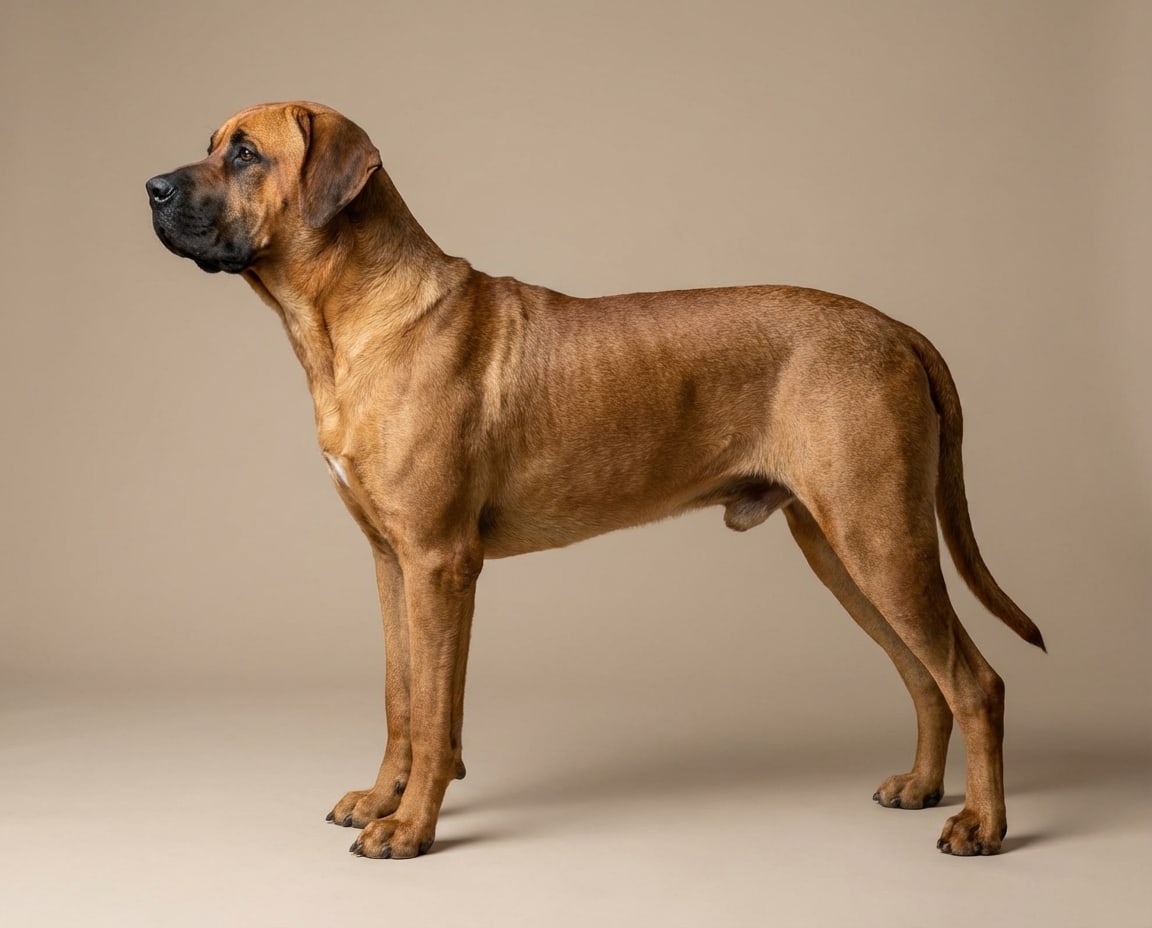
The Northern Inuit Dog is a large breed, with males weighing between 36-50 kg and standing at 58-76 cm tall at the shoulder. Females are slightly smaller, weighing between 25-38 kg and standing at 58-71 cm tall. The breed is known for its medium-length, thick double coat, which comes in three main colors: wolf gray, red gray, and black gray.
The coat is characterized by agouti banded along the guard hairs, and the eyes range from yellow through amber and brown, with lighter colored eyes being very rare. The breed has a lupine appearance with a straight bushy tail and a distinct feminine appearance in females, who are usually slightly smaller and lighter than males. The coat's texture and color are carefully monitored to ensure the breed maintains its unique appearance.
Genetic testing has identified a color variant linked to partial recessive red traits that at least 50% of Northern Inuit and Tamaskan dogs carry. This variant was initially detected in DNA samples from prehistoric dogs dating back 10,000 years, making it one of the earliest mutations discovered in domestic canines. This discovery has provided valuable insights into the breed's genetic history and the evolution of domestic dogs.
Temperament and Personality
The Northern Inuit Dog is known for its friendly, intelligent, loyal, and independent nature. The breed is also gentle and alert, making it a suitable companion for families and individuals alike. Despite its independent streak, the Northern Inuit Dog is highly trainable and can be trained for various tasks, such as obedience, agility, and pulling.
The breed's temperament is a result of its mixed ancestry, which includes Arctic breeds like the Alaskan Malamute and Siberian Husky, as well as the German Shepherd. This combination contributes to the breed's versatility and adaptability to different environments and activities. The breed's temperament is also influenced by the selective breeding practices of the breed founders, who aimed to create a well-rounded companion dog.
Health Considerations
Approximately 10% of males suffer from cryptorchidism, which is the condition of undescended testes. In these cases, usually only one testicle fully descends within the scrotum, while the other remains "hidden" within the abdominal cavity. This condition is a concern for breeders and owners, as it can lead to reproductive issues and health complications.
Epilepsy has been diagnosed in five dogs, affecting about 1 out of every 100 registered Northern Inuit Dogs worldwide. Degenerative myelopathy, a progressive disease of the spinal cord, has also been found in several dogs. As with all large breed dogs, hip dysplasia is a risk that should be monitored. These health conditions are taken seriously by breed clubs and veterinarians, who work together to identify and mitigate potential health risks.
Life Span and Care
The Northern Inuit Dog has a life span of 12-15 years, which is typical for a large breed.
Breed Clubs and Registration
There are breed clubs dedicated to the Northern Inuit Dog in various countries, including the United States (Tamaskan Dog Register), Canada (National Tamaskan Club of Canada), France (Club Français du Tamaskan), Germany (Tamaskan Club Germany), the Netherlands (Nederlandse Tamaskan Club), Croatia (Hrvatski Tamaskan Savez), and the United Kingdom (Tamaskan Dog Society of Great Britain). These clubs provide resources and support for breeders and owners, including information on health, training, and genetic testing.
These clubs also work to maintain breed standards and ensure the genetic diversity of the breed. They often hold events and conferences to promote the breed and provide educational opportunities for owners and breeders. The clubs play a crucial role in the breed's development and maintenance, ensuring that the Northern Inuit Dog remains a healthy and thriving breed.
Buying a Northern Inuit Dog
- Ensure the breeder is reputable and has a good track record of health and temperament.
- Ask about the dog's health history and any known genetic issues, such as cryptorchidism, epilepsy, or degenerative myelopathy.
- Consider the dog's energy level and whether it fits with your lifestyle and living situation.
- Be prepared for the costs associated with owning a large breed dog, including food, veterinary care, and training. The breed may require specialized training due to its intelligence and independent nature.
- Research the breed's history and characteristics to ensure you are well-informed about what to expect. Understanding the breed's unique traits and needs will help you provide the best care for your Northern Inuit Dog.
By taking these factors into account, you can increase the likelihood of a happy and fulfilling relationship with your Northern Inuit Dog.
Frequently Asked Questions
What is the lifespan of the Northern Inuit Dog?
The average lifespan of the Northern Inuit Dog is about 12-15 years. Good nutrition and regular veterinary care support a healthy life.
What is the temperament of the Northern Inuit Dog?
The Northern Inuit Dog is known for: Friendly, Intelligent, Loyal, Independent, Gentle, Alert. Its energy level is moderate.
What size and weight is the Northern Inuit Dog?
It is a large dog, typically around Male: 36-50; Female: 25-38 kg as an adult.
Is the Northern Inuit Dog easy to care for?
Reliable grooming and shedding ratings are not available. Routine brushing, ear and dental care, and nail trims are still recommended.
Is the Northern Inuit Dog good with kids and other pets?
Reliable child- and pet-friendliness ratings are not available. Supervised, gradual introductions are recommended.
How much exercise does the Northern Inuit Dog need?
With a moderate energy level, it needs walks, play or training matched to its stamina.
Northern Inuit Dog
Trait Scores
N/A